Since Jean Lipman-Blumen's The Allure of Toxic Leaders shook the corporate world in 2005, countless articles, books, and Internet blogs have appeared on the topic.
This book is written for millions of people who have been taught to fear the myths of Satan and Hell, and millions of others who reject the concepts and wish reassurances.
In these times of increasingly contentious politics and uncivil discourse in the United States, the ongoing encounter of adherents of the Abrahamic faiths in the American heartland offers a model of positive interfaith relations.
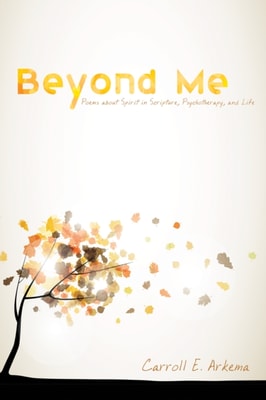
Beyond Me seeks to capture and convey the wonder, mystery, and healing power of the Divine Spirit and its activity in human beings, life, and relationships.
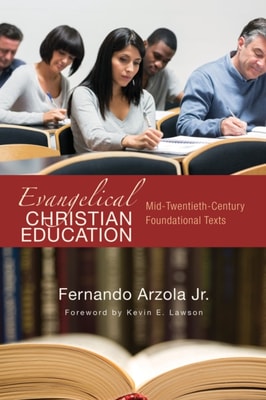
Evangelical Christian Education provides five of the most significant mid-twentieth-century foundational texts from the leading experts in the field of Evangelical Christian education.
With insights into the thought of Gabriel Marcel, Tragic Humanity and Hope recognizes that in our age scientific knowing is becoming a dominant form of knowledge.
Facing the uncertainty of their present life and ministry, the American and Canadian churches of mainline Protestantism are, for the most part, responding in one of two ways.
A Tree Rooted in Faith traces the history of Queen of Angels Monastery from its beginnings in Maria-Rickenbach in Switzerland to the end of the twentieth century in Mt.
A Boy Grows in Brooklyn is an educational and spiritual memoir that recounts stories from life in the Midwood interfaith neighborhood during the fifties and sixties.
This book provides a comprehensive description of how evangelicals in Northern Ireland interpreted the "e;Troubles"e; (1966-2007) in the light of how they read the Bible.
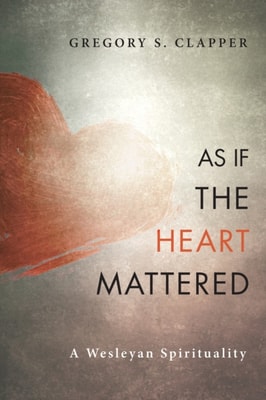
As If the Heart Mattered expounds on John Wesley's image of religion as a house by exploring three main parts: the porch of repentance, the door of faith, and holiness (the house itself).
In a concise and devastating style, Craig Parton, an experienced trial lawyer versed in the laws of legal evidence, argues that religions uniformly fail the simplest tests of admissibility for their respective claims.
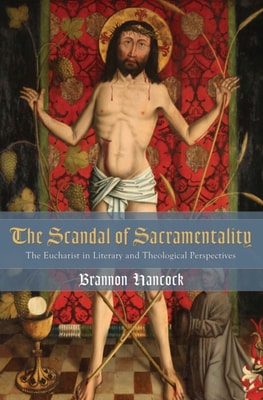
The sacrament par excellence, the Eucharist, has been upheld as the foundational sacrament of Christ's Body called Church, yet it has confounded Christian thinking and practice throughout history.
In All the Evidence You Will Ever Need scientist Paul Baba expounds on numerous areas of evidence that support the concept of a Creator of the universe, the Bible as a document given to mankind by the Creator, and the process that the Bible teaches as the way to eternal life in Heaven.
As a pastor, have you ever had a loss of words during those many trying moments in your ministry, when you found it difficult to express your true feelings?
Breaking the Glass Box includes spiritual formation process for liberation from gender oppression through multiple awareness practices of conflicts in han-based Korean culture of society and church.
This book is a theological/pastoral response to Vatican II's call to develop our cultures as outlined in section 2 of De Ecclesia in Mundo Huius Temporis: The Pastoral Constitution on the Church in the Modern World.
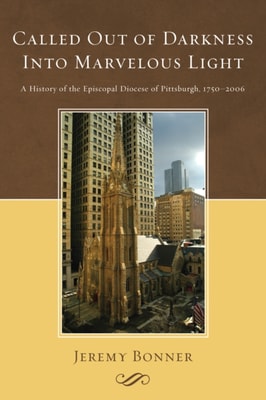
In the conflicted world that is today's Episcopal Church, the diocese of Pittsburgh stands both as a symbol of dissent and schism to the liberal majority within the American Church and as a beacon of light and hope to conservative Anglicans across the United States.
This book constitutes the second volume of a three-volume study of Christian testimonies to divine suffering: God's Wounds: Hermeneutic of the Christian Symbol of Divine Suffering, vol.
Here is the long-awaited volume that provides both the theoretical foundations and practical guidance for developing new monastic and missional communities in contexts that are theologically progressive, racially and economically diverse, and multicultural.
In recent years a powerful grassroots movement has emerged calling for the papal definition of a fifth Marian dogma declaring the Blessed Virgin Mary to be Co-Redemptrix, Mediatrix of all graces, and Advocate.
Contemporary treatments of Calvin's political views often imply that he embraced a theocratic civil polity and that he was committed to holy war doctrine.