The question of what it means to be a human creature lies at the heart of contemporary wrestling with anthropology, and especially anthropology from a theological perspective.
Embracing Solitude focuses on the interior turn of monasticism and scans the Christian tradition for women who have made this turn in various epochs and circumstances.
The book is organized into three divisions, and as the title implies, there is a brief letter in the form of a New Testament epistle to the contemporary church, a portion of which begins each chapter.
Alister McGrath's work on the relationship between Science and Theology makes the most notable contribution to the subject written by an evangelical in recent history.
John Williamson Nevin, architect of the nineteenth-century movement, the Mercersburg Theology, has increasingly gained respect as one of the most important theologians of American history and the broader Reformed tradition.
You were born on earth in holiness but as you walk along life's road and become buffeted with life's trials you lose the knowledge of the holiness with which you were born.
The human imagination is a reflection of and a participation in the divine imagination; so mused the romantic poet, philosopher and theologian Samuel Taylor Coleridge.
Reflections of Spirituality in Pastoral Psychotherapy supports the pastoral and counseling practitioner's assurance that spirituality is imbedded within the human experience and may be presumed to be a positive resource for remediation and reconciliation.
This book traces the history of the interpretation of the disobedience of Adam and Eve in Genesis 3 through the biblical period and the church fathers until Augustine.
A nuclear Israel waits for its Messiah, a nuclear America eagerly anticipates the second coming of Christ, and a nuclear Iran believes it can expedite the return of the hidden or twelfth imam.
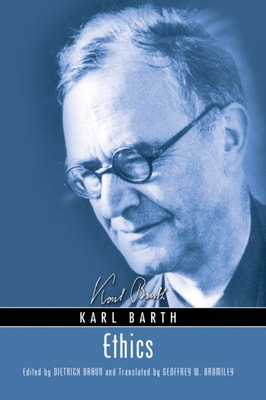
The five brief pieces collected here represent the final words prepared by Karl Barth for publication, all of them originating during the period from his serious illness in August of 1968 to his death in December of that same year.
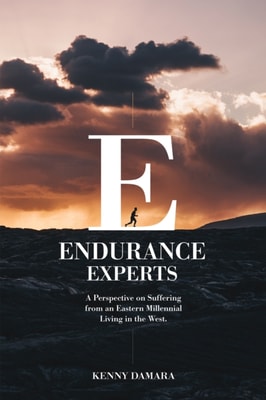
In a highly-connected global village, the flow of worldviews from East to West (and vice versa) has great potential for good, but also some dangerous pitfalls.
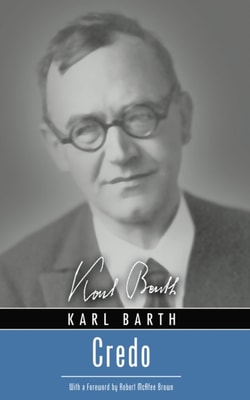
This important book, by a theologian regarded as the most eminent of this century, explains the Apostle's Creed as a foundation of the Christian religion.