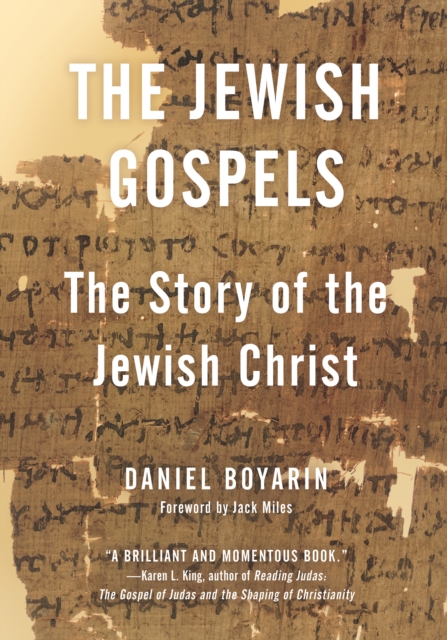
Early Jewish Writings and New Testament Interpretation is a concise, introductory volume to orient undergraduates, seminarians, and interested readers to some of the most important early Jewish writings that currently inform New Testament interpretation.
Early Jewish Writings and New Testament Interpretation is a concise, introductory volume to orient undergraduates, seminarians, and interested readers to some of the most important early Jewish writings that currently inform New Testament interpretation.
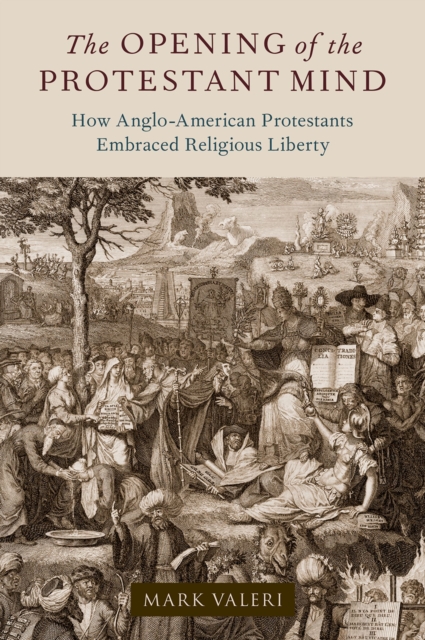
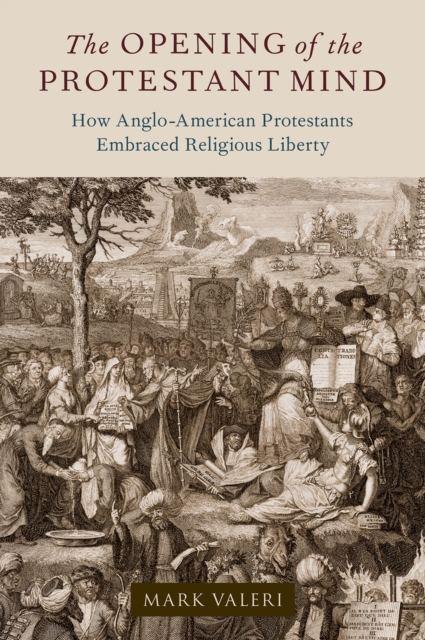
During the mid-seventeenth century, Anglo-American Protestants described Native American ceremonies as savage devilry, Islamic teaching as violent chicanery, and Catholicism as repugnant superstition.
The epic, tragic story of the Puritan conquest of New England through the eyes of those who lived it Over several decades beginning in 1620, tens of thousands of devout English colonists known as Puritans came to America.
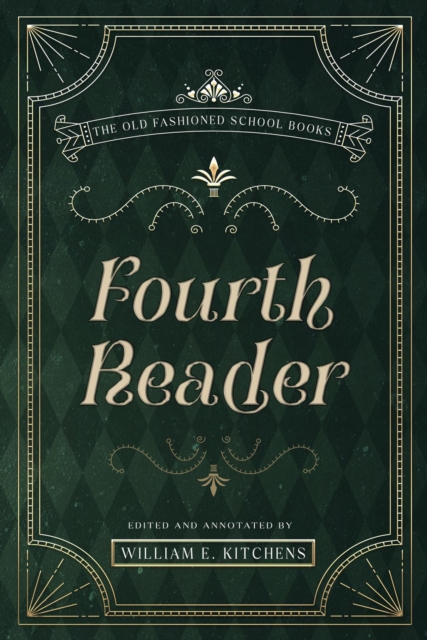
Old Fashioned History for the Modern ReaderThe Old Fashioned School Books are a series of new readers compiled of selections from a large collection of antique American public school readers spanning from the early 1800s to the early 1900s.
Discover Hope, Purpose, and Victory in Life's Lowest PlacesWe long to live on spiritual mountaintops--places of glory and presence--but we spend most of our time in the valleys, battling trials, giants, chaos, even hopelessness.
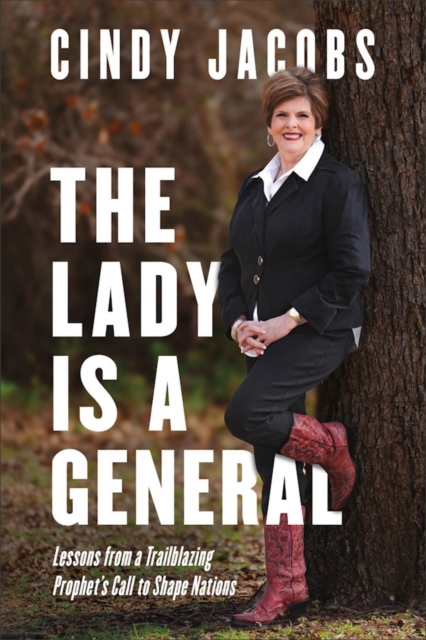
Be mentored by a prophetic pioneer's lifetime of ministry wisdom From a shy pastor's kid growing up in Texas in the 1950s to prophet, preacher, pioneer, intercessor, mentor, and advocate for other women leaders, Cindy Jacobs has had an incredible life.
During the mid-seventeenth century, Anglo-American Protestants described Native American ceremonies as savage devilry, Islamic teaching as violent chicanery, and Catholicism as repugnant superstition.
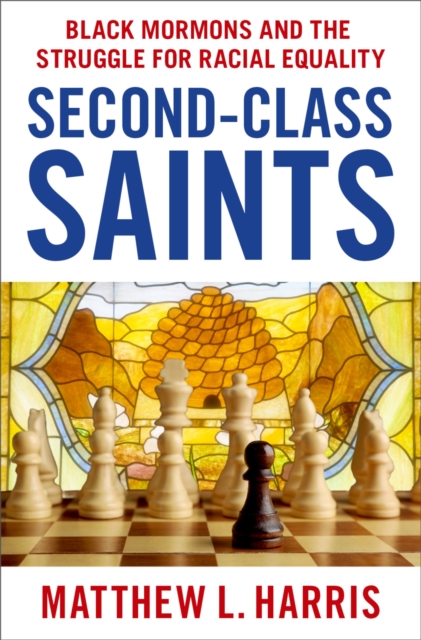
An in-depth account--grounded in new archival discoveries--of the most consequential development in Mormon history since the end of polygamyOn June 9, 1978, the phones at the headquarters of the Church of Jesus Christ of Latter-day Saints (LDS) were ringing nonstop.
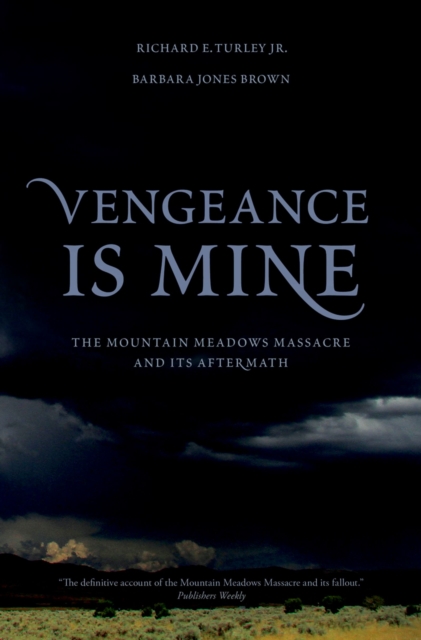
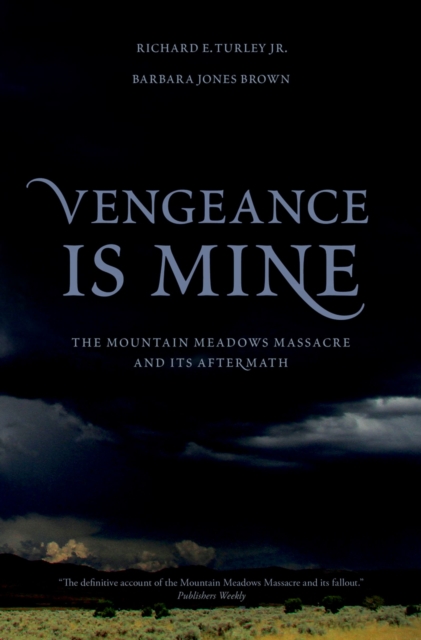
The long-awaited follow-up to the groundbreaking Massacre at Mountain MeadowsPublished in 2008, Massacre at Mountain Meadows was a bombshell of a book, revealing the story of one of the grimmest episodes in Latter-day Saint history, when settlers in southwestern Utah slaughtered more than 100 members of a California-bound wagon train in 1857.
The long-awaited follow-up to the groundbreaking Massacre at Mountain MeadowsPublished in 2008, Massacre at Mountain Meadows was a bombshell of a book, revealing the story of one of the grimmest episodes in Latter-day Saint history, when settlers in southwestern Utah slaughtered more than 100 members of a California-bound wagon train in 1857.
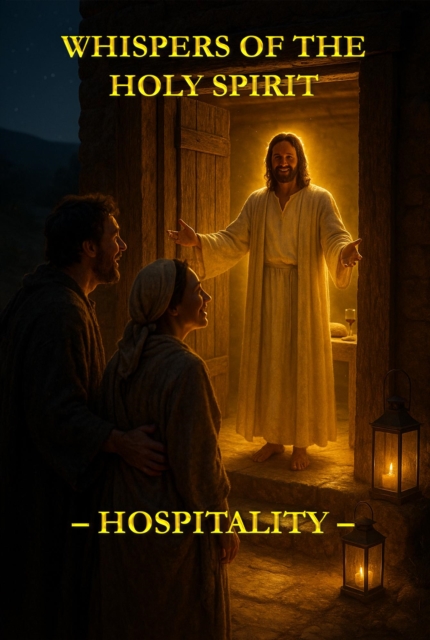
Some Christian virtues are too easily kept as words, admired from a safe distance while the actual day remains hurried, guarded, wounded, and unresolved.
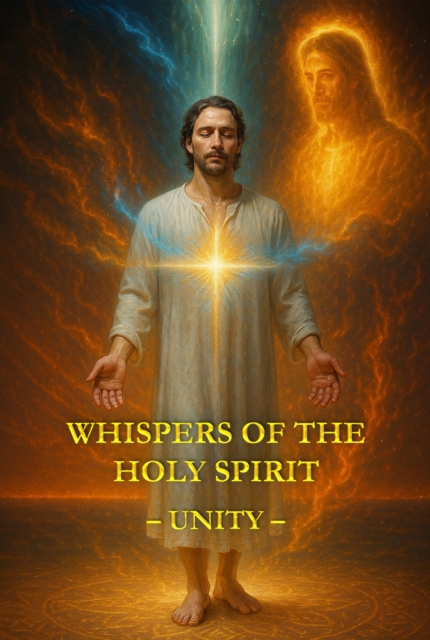
Faith is often carried in places too quiet to explain: the first breath of grace, the ache that refuses lesser comforts, the hand slowly opening before Christ, the hidden prayer no one sees.
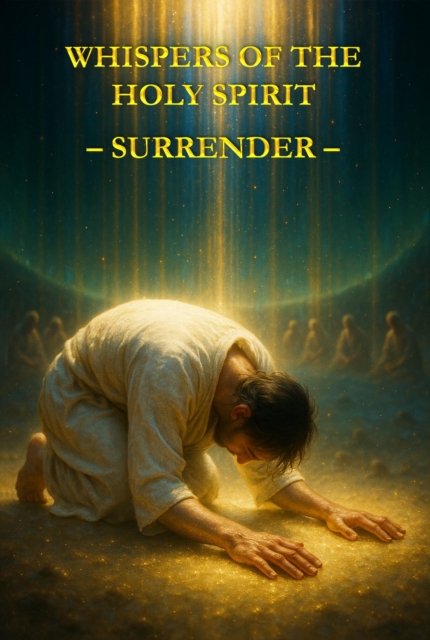
The life of faith often reaches a place where control has become too heavy to keep carrying, yet letting go can feel like loss before it feels like trust.
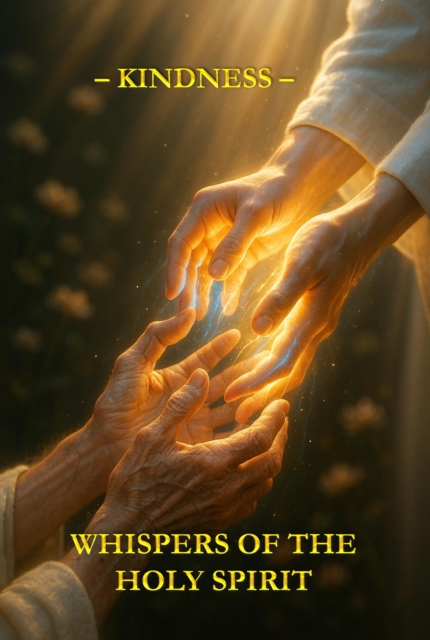
The life given to God is often hidden inside ordinary hours: a word held back, a burden carried, a prideful claim surrendered, a mercy offered where no one is watching.
The life of faith is often tested before anyone else can see it: in the sentence held back, the appetite refused, the thought brought under Christ, the anger slowed before it becomes a wound.
The life of faith is often formed where no one is watching: in the private surrender, the quiet hunger, the prayer that has lost its need to impress, the small obedience that still has to be lived.