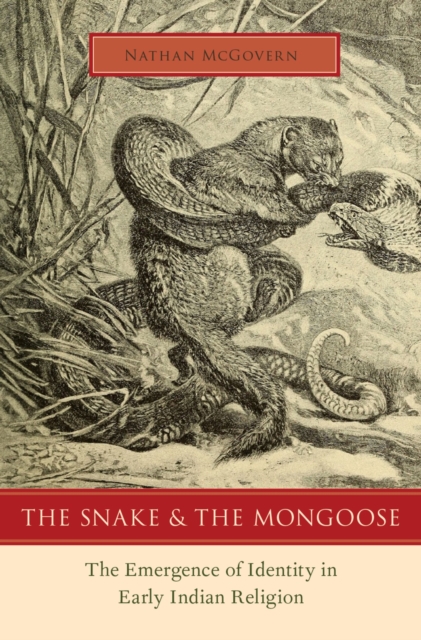
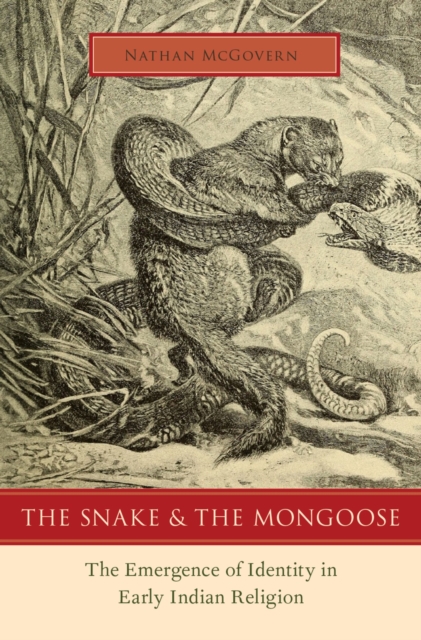
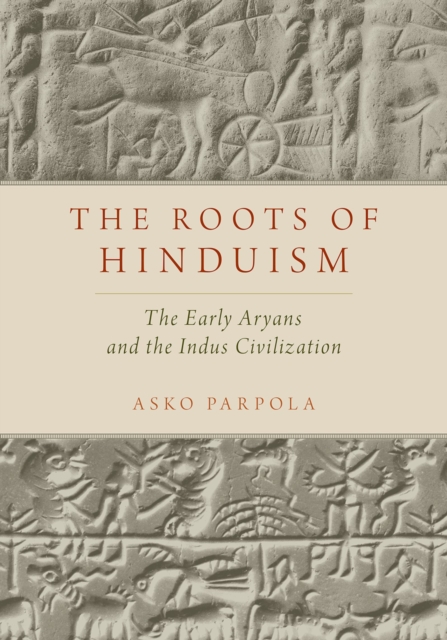
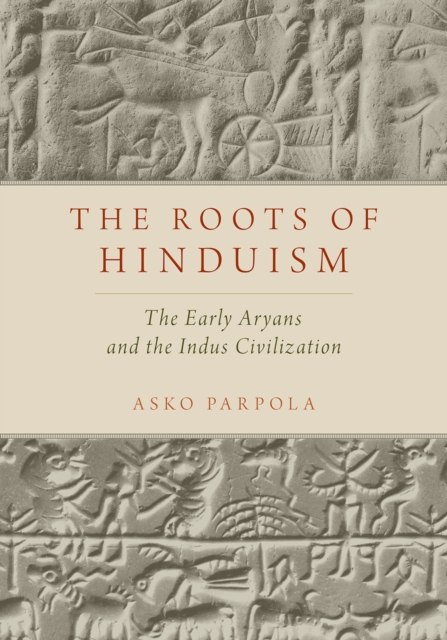
Since the beginning of modern Indology in the 19th century, the relationship between the early Indian religions of Buddhism, Jainism, and Hinduism has been predicated on a perceived dichotomy between two meta-historical identities: "e;the Brahmans"e; (purveyors of the ancient Vedic texts and associated ritual system) and the newer "e;non-Brahmanical"e; sramana movements from which the Buddhists and Jains emerged.
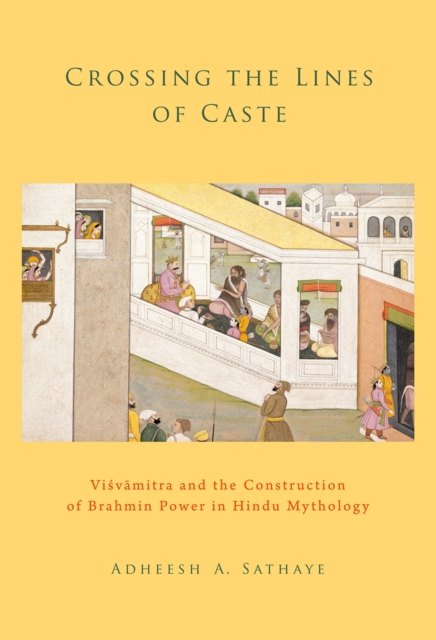
Since the beginning of modern Indology in the 19th century, the relationship between the early Indian religions of Buddhism, Jainism, and Hinduism has been predicated on a perceived dichotomy between two meta-historical identities: "e;the Brahmans"e; (purveyors of the ancient Vedic texts and associated ritual system) and the newer "e;non-Brahmanical"e; sramana movements from which the Buddhists and Jains emerged.
Through in-depth analysis of musical theatre choreography and choreographers, Making Broadway Dance challenges long-held perceptions of Broadway dance as kitsch, disposable, a dance form created without artistic process.
Through in-depth analysis of musical theatre choreography and choreographers, Making Broadway Dance challenges long-held perceptions of Broadway dance as kitsch, disposable, a dance form created without artistic process.
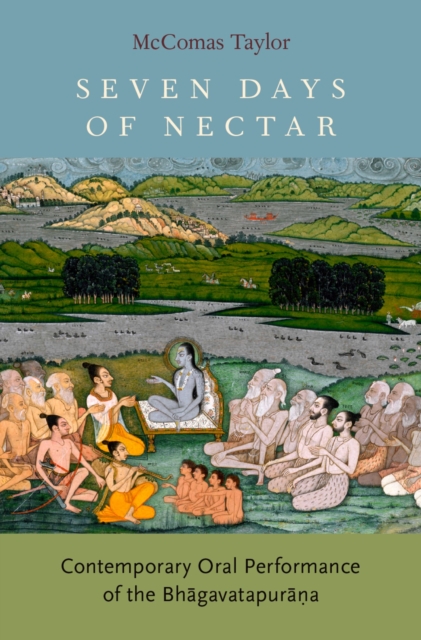
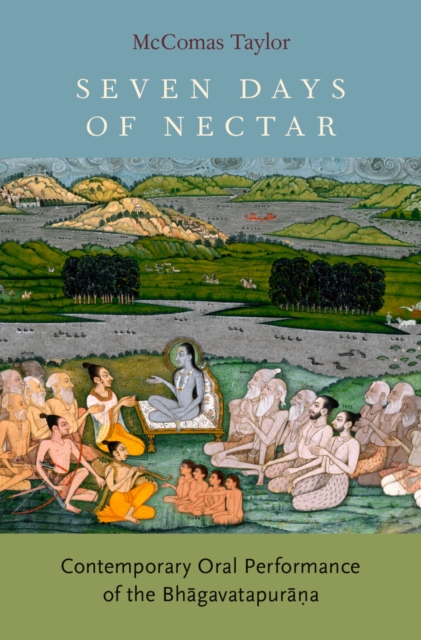
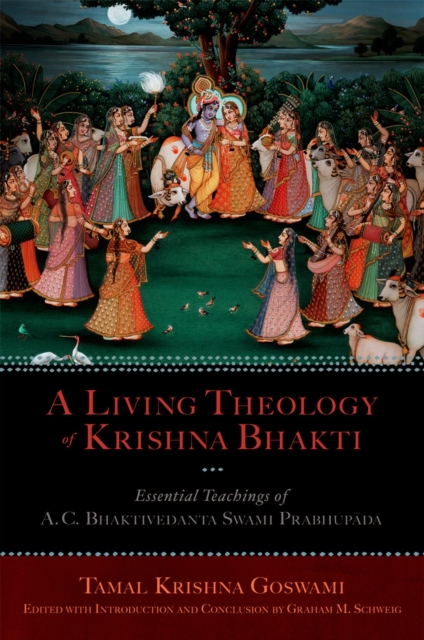
The thousand-year-old Sanskrit classic the Bhagavatapurana, or "e;Stories of the Lord,"e; is the foundational source of narratives concerning the beloved Hindu deity Krishna.
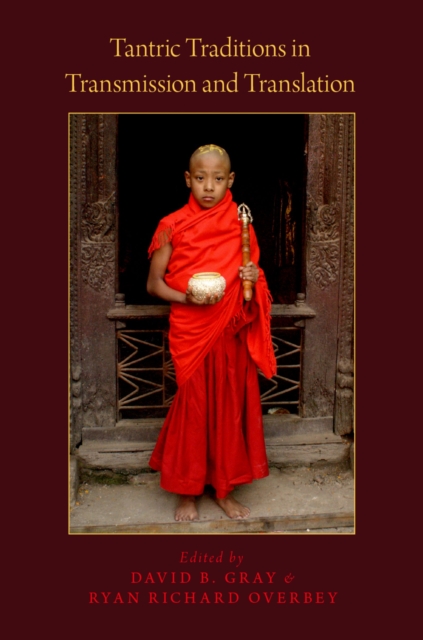
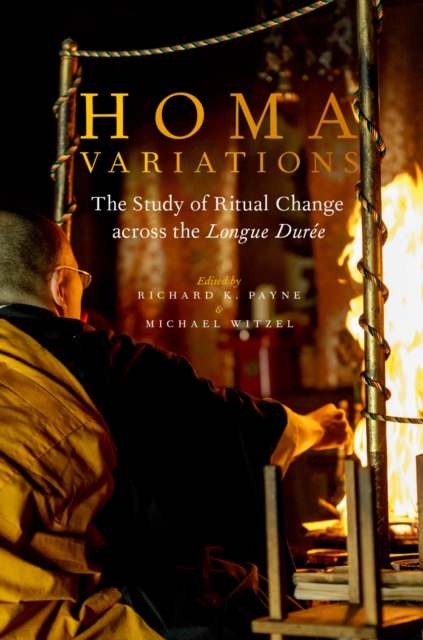
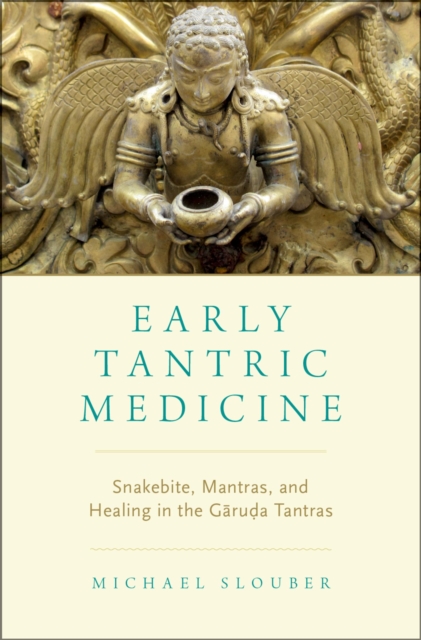
Tantric traditions in both Buddhism and Hinduism are thriving throughout Asia and in Asian diasporic communities around the world, yet they have been largely ignored by Western scholars until now.
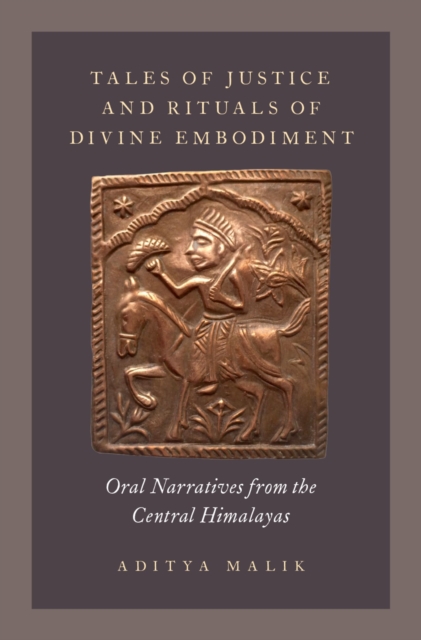
Based on extensive ethnographic fieldwork conducted in the Central Himalayan region of Kumaon, Tales of Justice and Rituals of Divine Embodiment draws on oral and written narratives, stories, testimonies, and rituals told and performed in relation to the "e;God of Justice,"e; Goludev, and other regional deities.
The thousand-year-old Sanskrit classic the Bhagavatapurana, or "e;Stories of the Lord,"e; is the foundational source of narratives concerning the beloved Hindu deity Krishna.
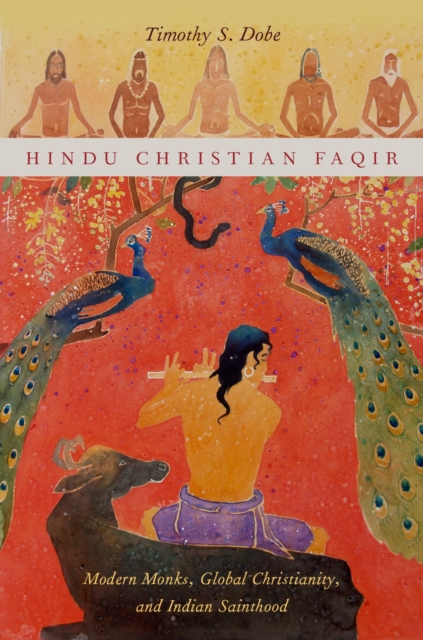
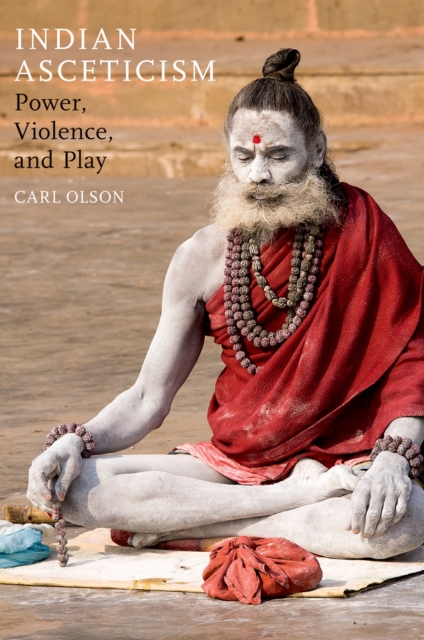
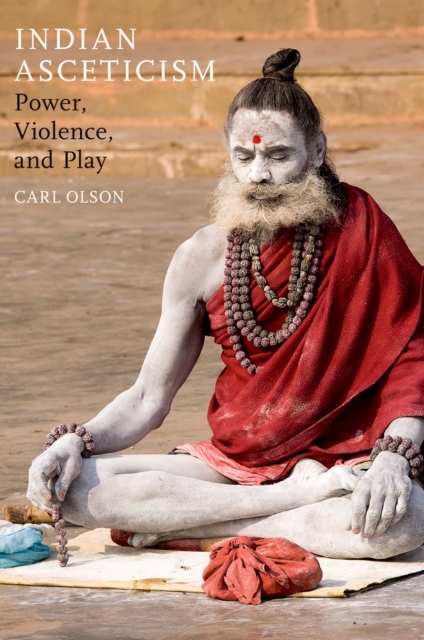
In the mid-nineteenth century, the American missionary James Butler predicted that Christian conversion and British law together would eradicate Indian ascetics.
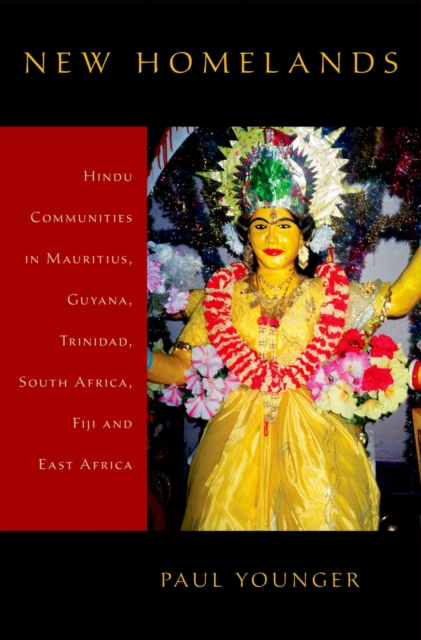
When the colonial slave trade, and then slavery itself, were abolished early in the 19th century, the British empire brazenly set up a new system of trade using Indian rather than African laborers.
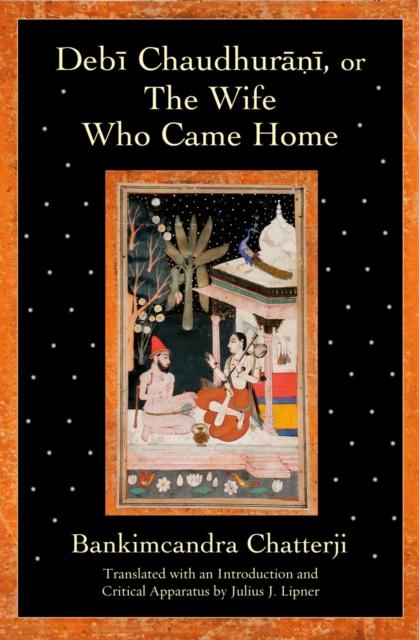
This is the second in a trilogy of works by the famed Bengali novelist Bankimcandra Chatterji (1838-1894), and the second to be translated by Julius Lipner.
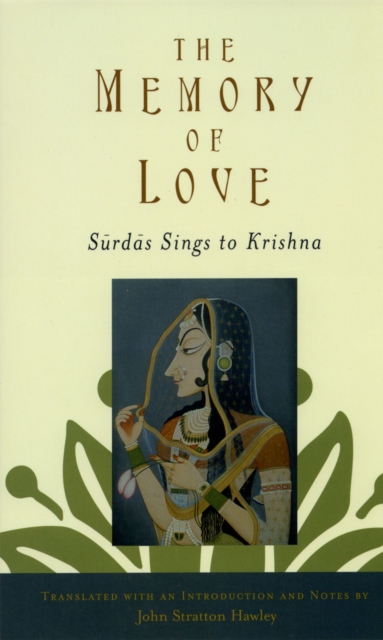
No Hindu god is closer to the soul of poetry than Krishna, and in North India no poet ever sang of Krishna more famously than SurdD^=as-or Sur, for short.
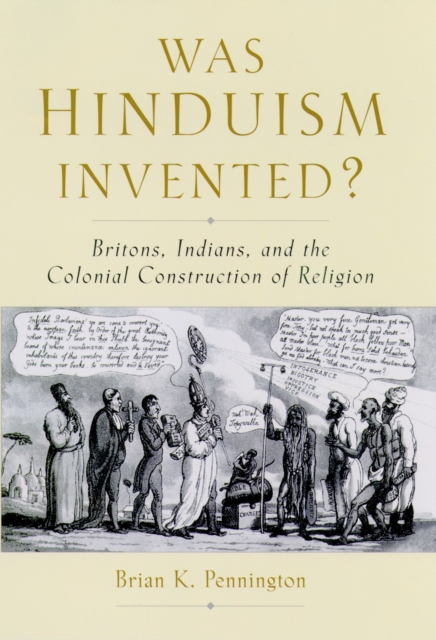
Drawing on a large body of previously untapped literature, including documents from the Church Missionary Society and Bengali newspapers, Brian Pennington offers a fascinating portrait of the process by which "e;Hinduism"e; came into being.
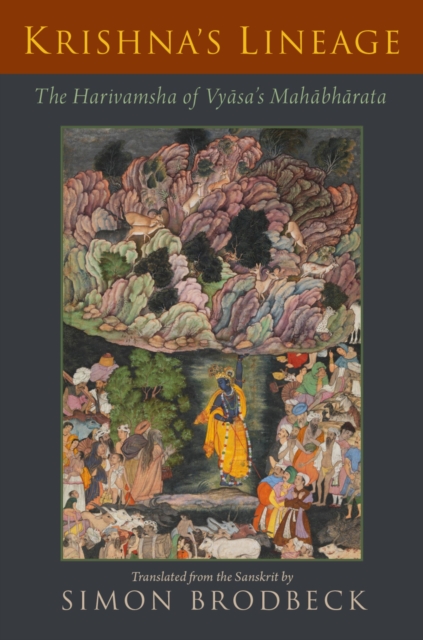
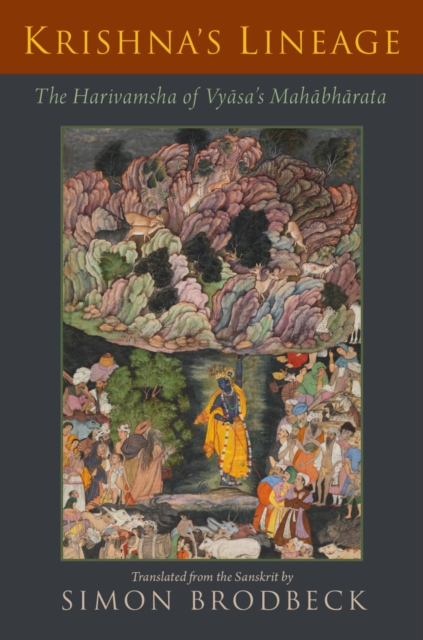
Forming the final part of the Sanskrit Mahabharata, the Harivamsha's main business is to supply narrative details about the great god Vishnu's avatar Krishna Vasudeva, who has been a comparatively minor character in the previous parts of the Mahabharata, despite having taken centre stage in the Bhagavad Gita.
Forming the final part of the Sanskrit Mahabharata, the Harivamsha's main business is to supply narrative details about the great god Vishnu's avatar Krishna Vasudeva, who has been a comparatively minor character in the previous parts of the Mahabharata, despite having taken centre stage in the Bhagavad Gita.
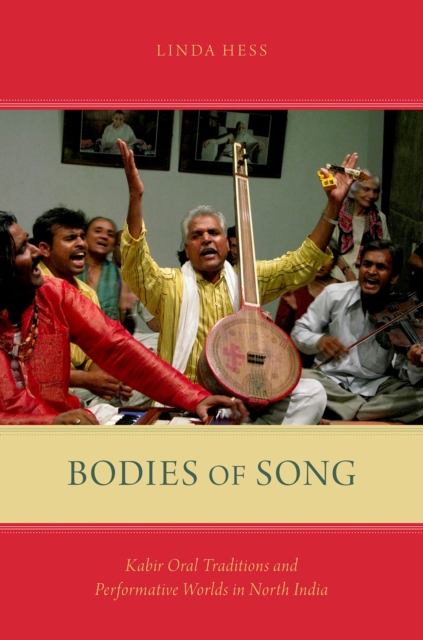
Kabir was a great iconoclastic-mystic poet of fifteenth-century North India; his poems were composed orally, written down by others in manuscripts and books, and transmitted through song.
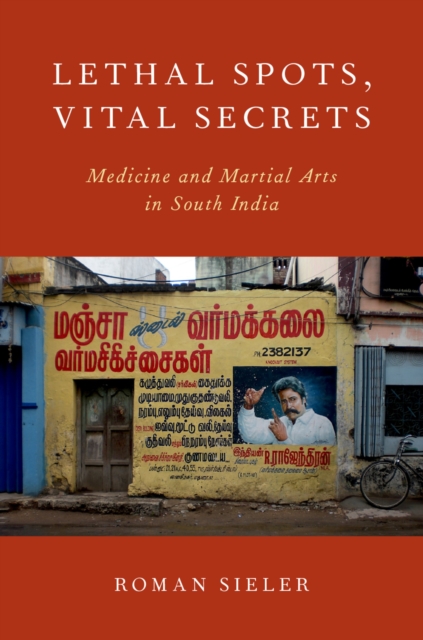
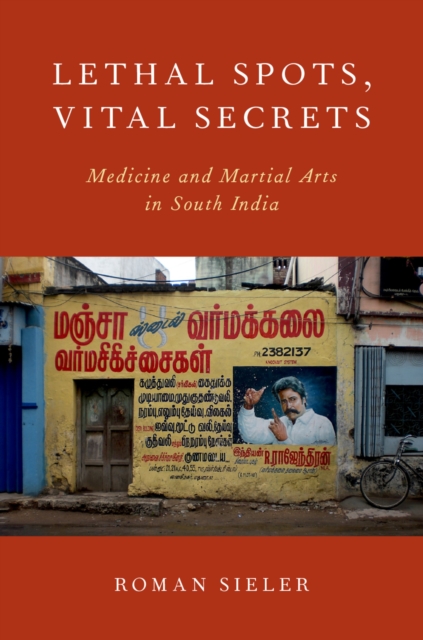
Lethal Spots, Vital Secrets provides an ethnographic study of varmakkalai, or "e;the art of the vital spots,"e; a South Indian esoteric tradition that combines medical practice and martial arts.
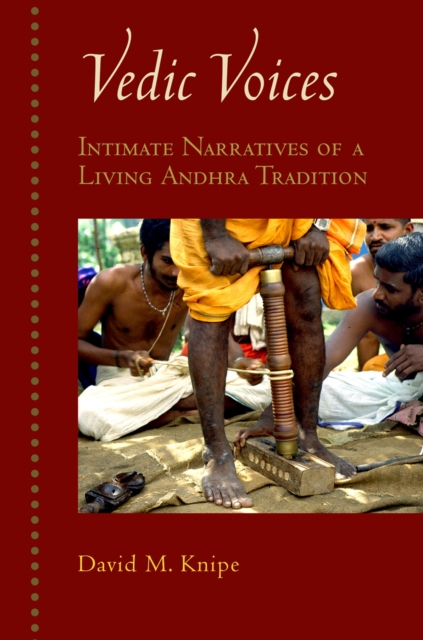
For countless generations families have lived in isolated communities in the Godavari Delta of coastal Andhra Pradesh, learning and reciting their legacy of Vedas, performing daily offerings and occasional sacrifices.
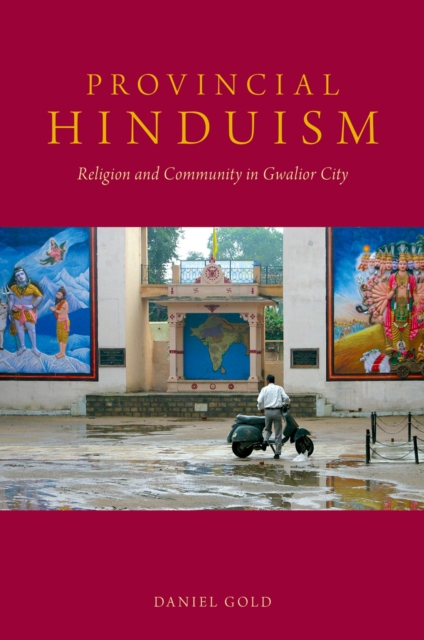
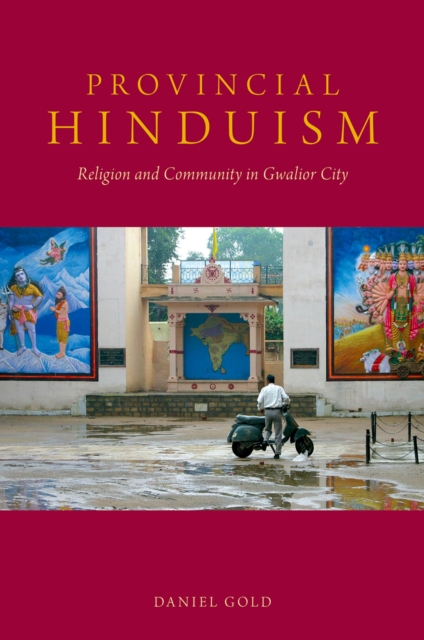
Provincial Hinduism explores intersecting religious worlds in an ordinary Indian city that remains close to its traditional roots, while bearing witness to the impact of globalization.
Lethal Spots, Vital Secrets provides an ethnographic study of varmakkalai, or "e;the art of the vital spots,"e; a South Indian esoteric tradition that combines medical practice and martial arts.
Provincial Hinduism explores intersecting religious worlds in an ordinary Indian city that remains close to its traditional roots, while bearing witness to the impact of globalization.
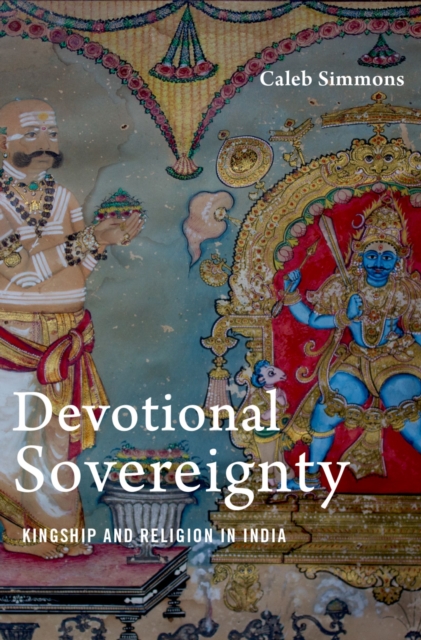
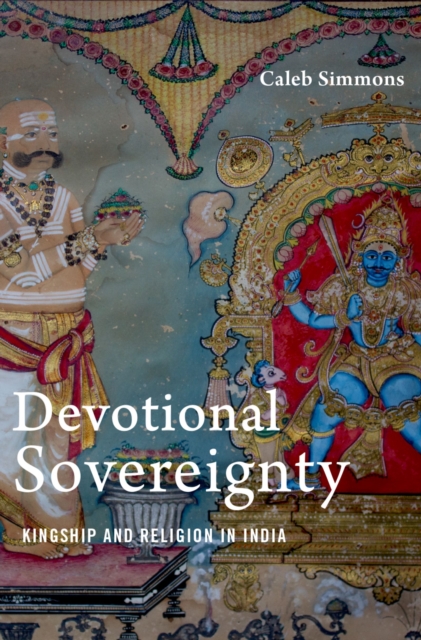
Devotional Sovereignty: Kingship and Religion in India investigates the shifting conceptualization of sovereignty in the South Indian kingdom of Mysore during the reigns of Tipu Sultan (r.
Devotional Sovereignty: Kingship and Religion in India investigates the shifting conceptualization of sovereignty in the South Indian kingdom of Mysore during the reigns of Tipu Sultan (r.