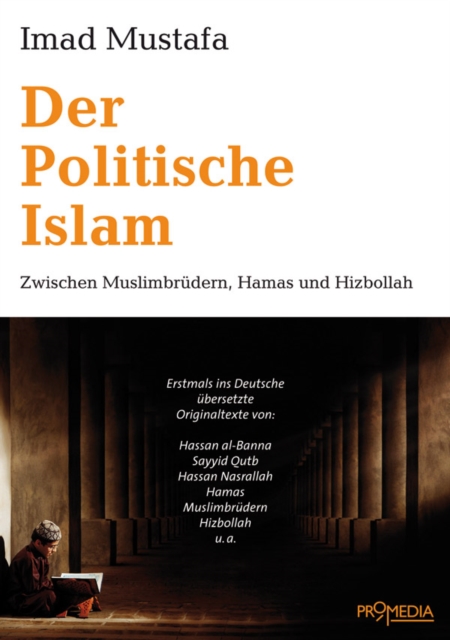
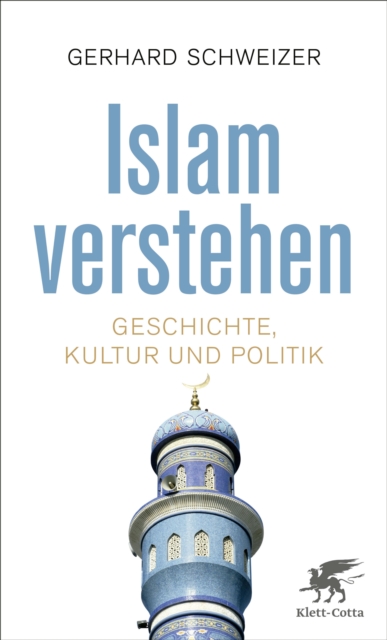
Die meinungsbildende Berichterstattung über den Nahen und Mittleren Osten konzentriert sich auf den innerislamischen Konflikt zwischen Sunniten und Schiiten.
Täglich in den Medien verbreitete Begriffe wie "Fundamentalisten", "Extremisten" oder "Terroristen" assoziieren den Islam mit irrationalen Formen von Gewalt- und Herrschaftsausübung.
Durch das Bündnis Deutschlands mit der Türkei im Jahre 1914 ist nicht nur dieses Land, sondern die ganze islamische Welt mehr als sonst in den damaligen Gesichtskreis getreten.
The poverty of our literature in reference to Mahomet and Mahometanism is so conspicuous and so inconvenient that we may well receive with gratitude the author's very able endeavour to relieve it.
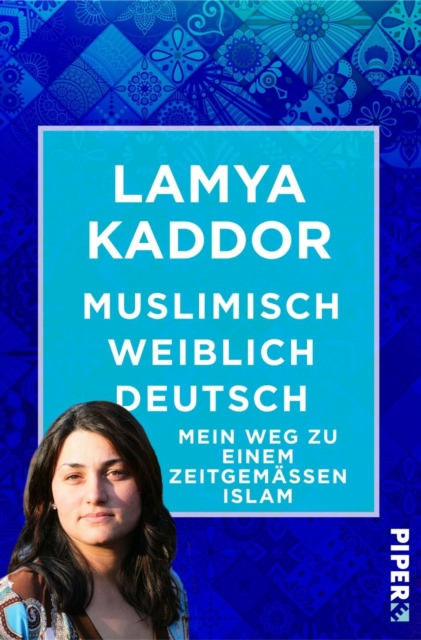
Die atheistisch aufgewachsene Karoline Roscher-Lagzouli konvertierte in ihren Zwanzigern nach einer lebenslangen Faszination zum Islam und war mehrere Jahre Teil einer konservativen Salafi-Gemeinde.
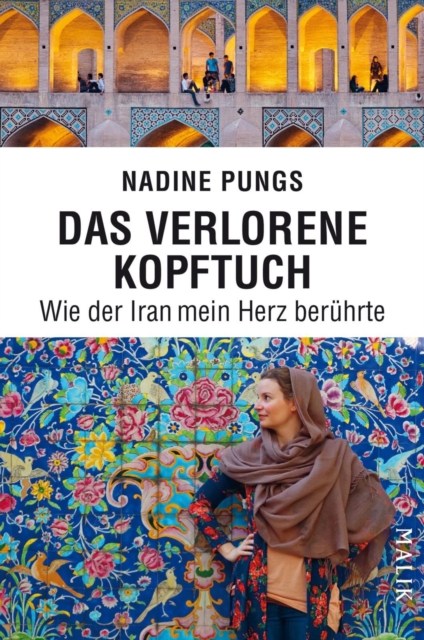
Besucher islamischer Länder bewegen sich teilweise in modernen und weltoffenen Gesellschaften, treffen aber auch auf rigide Moralvorstellungen und für Fremde geschlossene Systeme.
Besucher islamischer Länder bewegen sich teilweise in modernen und weltoffenen Gesellschaften, treffen aber auch auf rigide Moralvorstellungen und für Fremde geschlossene Systeme.
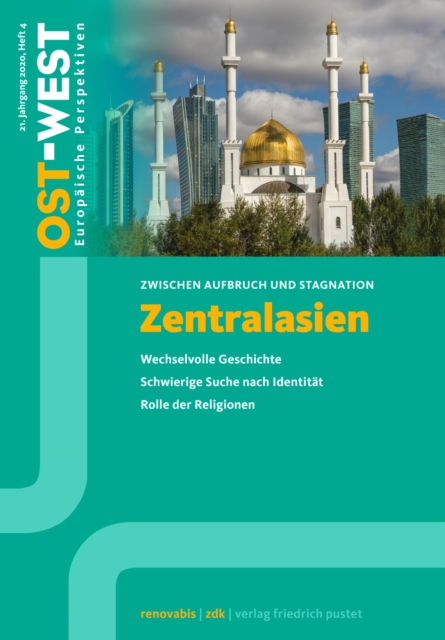
Fünf Länder in Zentralasien, nämlich Kasachstan, Kirgisistan, Tadschikistan, Turkmenistan und Usbekistan, verbindet eine gemeinsame Vergangenheit als Teilrepubliken der ehemaligen Sowjetunion.
Ziel dieses philosophisch-allegorischen Inselromans des arabisch-andalusischen Denkers Ibn Tufail ist die Verteidigung der Philosophie als rationale Form der Erkenntnis.
Diese erste deutsche Ausgabe der philosophischen Autobiographie al-Ghazalis (1059–1111) ist besonders geeignet, einen originären Zugang zu den klassischen Quellen der arabischen Philosophie zu eröffnen.
In der »Entscheidenden Abhandlung« (1179) verteidigt Averroes das Recht der Philosophie gegen den Einspruch der Theologie (al-Ghazali) unter Bezugnahme auf den Koran.
Al-Farabi (870–950) war einer der bedeutendsten arabischen Philosophen, der sich um die Vermittlung der islamischen Philosophie mit dem Denken der griechischen Antike besondere Verdienste erwarb.
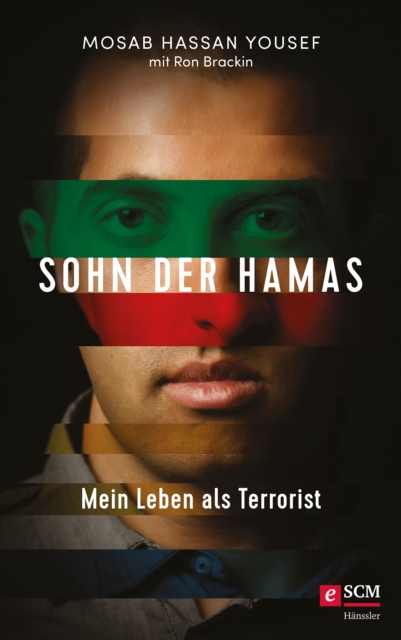
Er wurde Zeuge von elender Armut, Machtmissbrauch, Folter und Tod bevor er 21 Jahre alt war: Mosab Hassan Yousef, der älteste Sohn eines Gründungsmitglieds der Hamas.
Ein weltweit geführter Karikaturen-Streit, gewaltsame Proteste von Muslimen, ein Urteil einer Richterin unter Berufung auf die Sharia - immer wieder meldet sich der Islam deutlich zu Wort.
The Holy Mosaic delves into the rich and intricate history of Syria, tracing the origins and evolution of its three major religions, Judaism, Christianity, and Islam as they are the three major monotheistic religions of the world today.
Martin Stauber, ein nicht minder begabter Freund des Astronomen und Mathematikers Johannes Kepler, ist von frühester Jugend von allem Lebendigen fasziniert.