"Islam: Droga Pokoju" oferuje dogłębną eksplorację głęboko zakorzenionych zasad pokoju, sprawiedliwości i współczucia, które są integralną częścią wiary islamskiej.
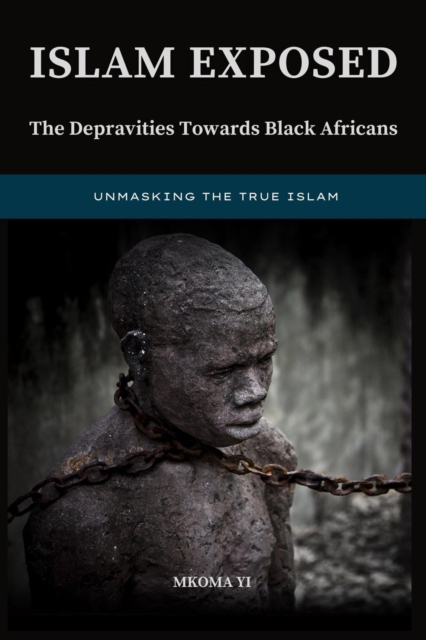
Muslims boast to all and sundry that they are the followers of the true religion of Abraham, but beneath the lofty claim are Muslim scholars, leaders and apologists' presumptuous efforts to conceal the religion's thriving pagan bedrock.
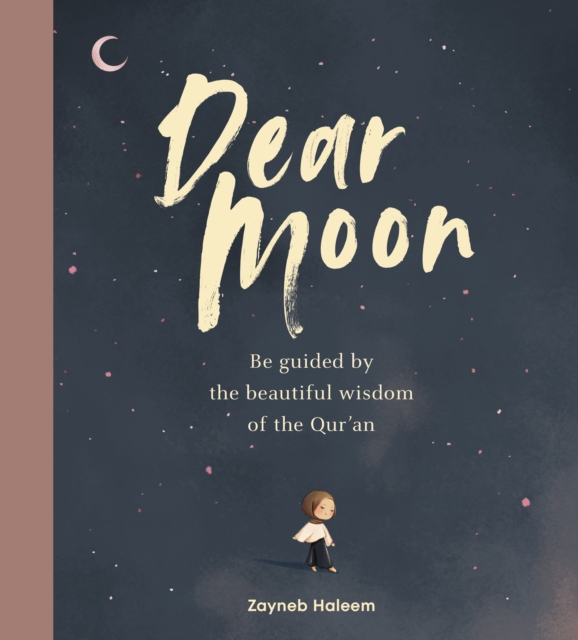
Reflect and be inspired by this beautiful collection of illustrations, accompanied by prompts and quotes from the Qur'an Life is full of highs and lows, but every journey begins with a single step.
"No religion has been able to inspire in its adherent a feeling of pride like the feeling that a Muslim experiences without affectation or artificiality, and pride in Arabic may sometimes mix with this feeling, so the Arab Muslim considers the etiquette of chivalry before Islam as an example of morals and customs, and the Arab shares in this pride even if he is not one of them.
Mohammed Ali, widely regarded as the greatest heavyweight boxer in history, renounced Christianity and embraced Islam, convinced that it was the original faith of his ancestors.