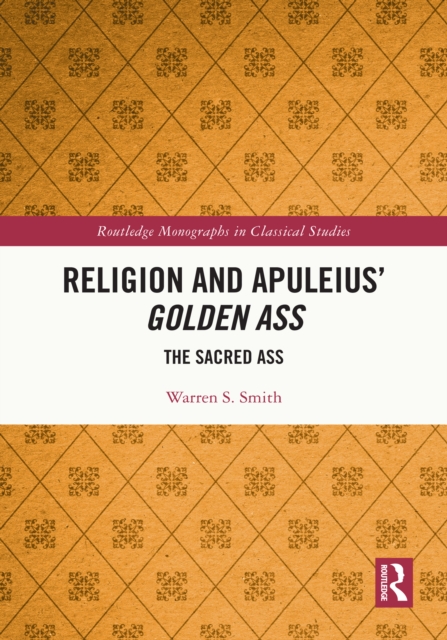
This volume examines Apuleius' comic donkey novel, The Golden Ass, within the context of the popular beliefs and Jewish and Christian writings that were part of the intellectual culture of his own day in 2nd century C.
This volume examines Apuleius' comic donkey novel, The Golden Ass, within the context of the popular beliefs and Jewish and Christian writings that were part of the intellectual culture of his own day in 2nd century C.
This book is the first in-depth comparative analysis of envy, jealousy, and vengefulness experienced by divine personalities in the Hebrew Bible and ancient Greek texts and the functions served by attributing negative emotions and traits to one's gods.
This book is the first in-depth comparative analysis of envy, jealousy, and vengefulness experienced by divine personalities in the Hebrew Bible and ancient Greek texts and the functions served by attributing negative emotions and traits to one's gods.
In the attempts to unify divided peoples on the basis of a shared past, both historical and mythical, this book illumines aspects of cultural nationalism common since the Middle Ages.
In the attempts to unify divided peoples on the basis of a shared past, both historical and mythical, this book illumines aspects of cultural nationalism common since the Middle Ages.
Originally published in 1978, The Occult Sourcebook has been compiled primarily for the many people who are for the first time becoming engrossed by the numerous and often confusing possibilities underlying the occult sciences.
Originally published in 1978, The Occult Sourcebook has been compiled primarily for the many people who are for the first time becoming engrossed by the numerous and often confusing possibilities underlying the occult sciences.
Examines the dilemma of whether ancient Near Eastern images while providing unique aspects of the world-views of the cultures from which the Bible arose can be interpreted in a way that traceably relates them to the biblical text.
Stephen Wunrow addresses the pressing question of what the author of Hebrews meant by his descriptions of heaven, arguing that the author intended his references to heavenly space to be interpreted as realistic descriptions of a real place.
Bible and Cinema: An Introduction is a comprehensive examination of how the Bible has been used and represented in mainstream cinema to develop its plots, characters, and themes.
Bible and Cinema: An Introduction is a comprehensive examination of how the Bible has been used and represented in mainstream cinema to develop its plots, characters, and themes.
The representation of sexual trafficking in the book of Esther has parallels with the cultural memories, histories, and materialized pain of African(a) girls and women across time and space, from the Persian Empire, to subsequent slave trade routes and beyond.
The representation of sexual trafficking in the book of Esther has parallels with the cultural memories, histories, and materialized pain of African(a) girls and women across time and space, from the Persian Empire, to subsequent slave trade routes and beyond.
Originally published in 1956, this book brings together from the canonical writings of Buddhism, Islam and Christianity the most important of the passages in which the view of the Founder is reflected.
Originally published in 1956, this book brings together from the canonical writings of Buddhism, Islam and Christianity the most important of the passages in which the view of the Founder is reflected.
This book explores the early Jewish understanding of divine knowledge as divine presence, which is embodied in major biblical exemplars, such as Adam, Enoch, Jacob, and Moses.
This book explores the early Jewish understanding of divine knowledge as divine presence, which is embodied in major biblical exemplars, such as Adam, Enoch, Jacob, and Moses.
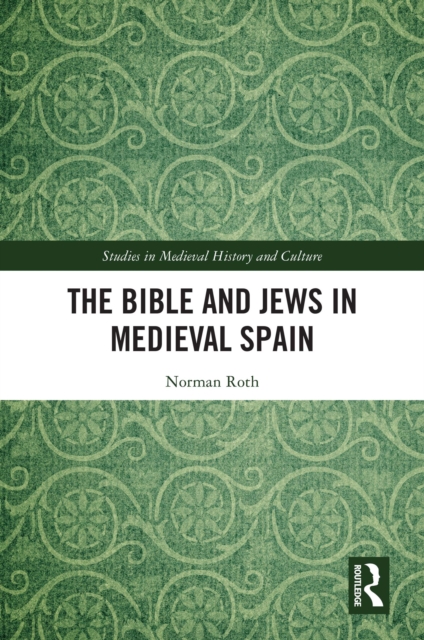
The Bible and Jews in Medieval Spain examines the grammatical, exegetical, philosophical and mystical interpretations of the Bible that took place in Spain during the medieval period.
The Bible and Jews in Medieval Spain examines the grammatical, exegetical, philosophical and mystical interpretations of the Bible that took place in Spain during the medieval period.
David Weiss Halivni emerges his original approach to critical study of the Talmudic text not only in its modern printed form but as it was in its original form, the Oral Torah from the mouths of countless sages.
David Weiss Halivni emerges his original approach to critical study of the Talmudic text not only in its modern printed form but as it was in its original form, the Oral Torah from the mouths of countless sages.
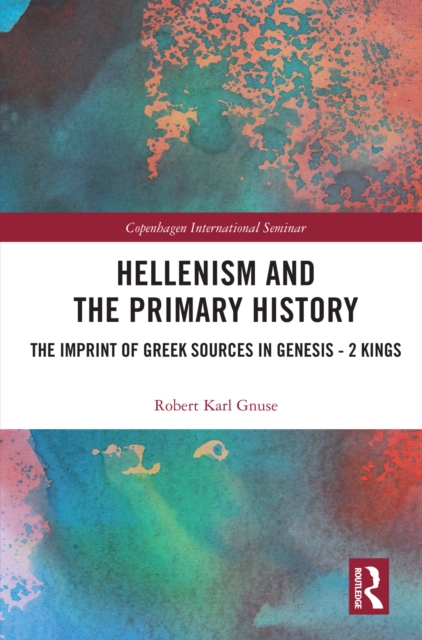
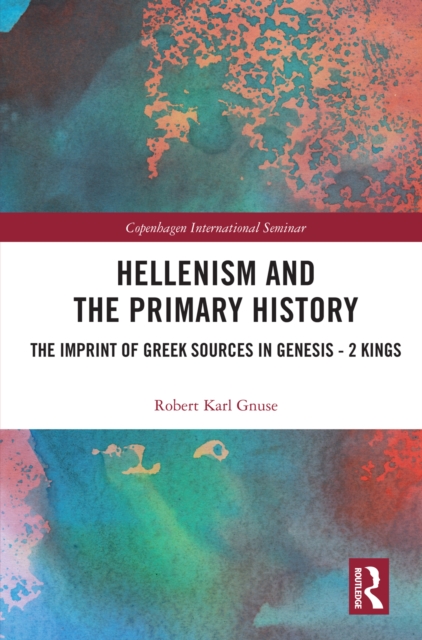
This collection of essays seeks to demonstrate that many biblical authors deliberately used Classical and Hellenistic Greek texts for inspiration when crafting many of the narratives in the Primary History.
This collection of essays seeks to demonstrate that many biblical authors deliberately used Classical and Hellenistic Greek texts for inspiration when crafting many of the narratives in the Primary History.
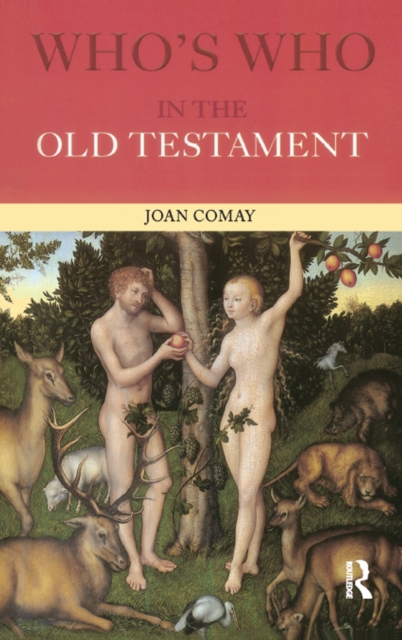
Who's Who in the Old Testament brings vividly to life the thousands of characters in the Old Testament, and provides:* nearly 3000 extensive entries covering every character* detailed biographical information on each character, including exactly where to find them in the Bible* the complete historical, geographical and archaeological context of each entry* comprehensive chronology of the times* a section on the Apocrypha - the collection of works that bridges the gap between the Old and New Testaments.
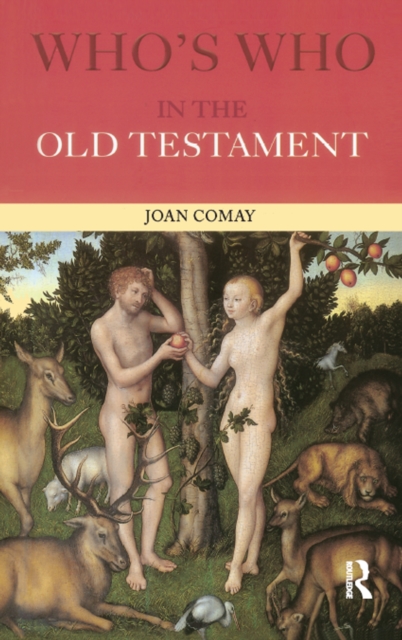
Who's Who in the Old Testament brings vividly to life the thousands of characters in the Old Testament, and provides:* nearly 3000 extensive entries covering every character* detailed biographical information on each character, including exactly where to find them in the Bible* the complete historical, geographical and archaeological context of each entry* comprehensive chronology of the times* a section on the Apocrypha - the collection of works that bridges the gap between the Old and New Testaments.
This study presents the first comprehensive survey of the abundant early Islamic sources that recognize the historical Jewish bond to the Temple Mount (Masjid al-Aqsa) and Jerusalem.