This new spiritual approach to physical health introduces us to a spiritual tradition that affirms the body and enables us to reconceive our bodies in a more positive light.
Reimagine the Possibilities for Your Own Congregation We all share a deep human need for meaning in our lives, a need to feel that we are part of something larger than ourselves.
Multicultural, Nondenominational, Nonsectarian Endorsed by Protestant, Catholic, and Jewish Religious LeadersA spiritual conversation-starter for adults and children to read together.
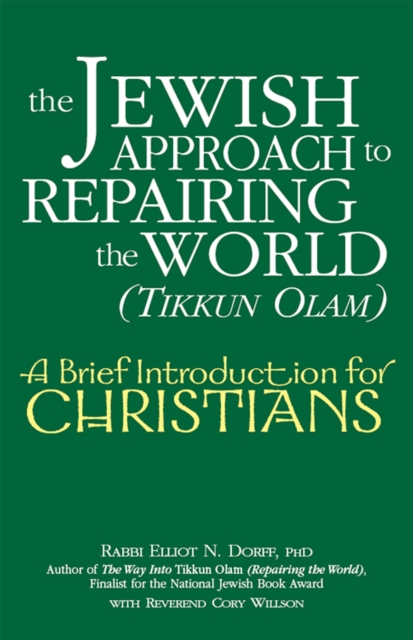
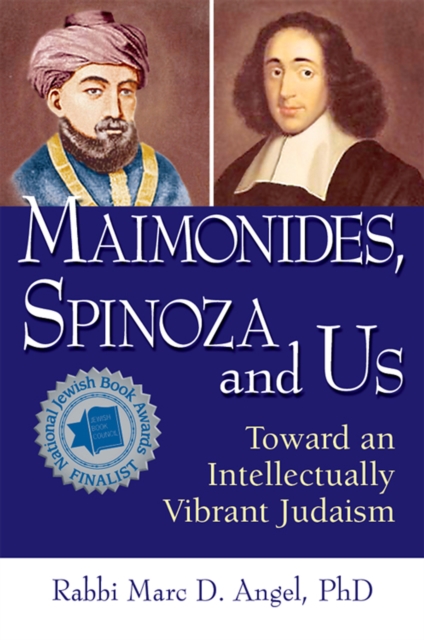
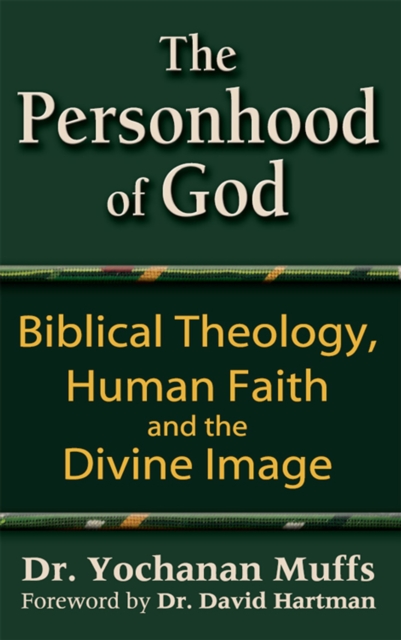
"e;This work is not addressed only to scholars of Judaism or theologians, but also, and primarily, to all Jews and non-Jews who would like to share the thoughts and struggles of a person who loves Torah and Halakhah, who is committed to helping make room for and celebrate the religious and cultural diversity present in the modern world, and who believes that a commitment to Israel and to Jewish particularity must be organically connected to the rabbinic teaching, 'Beloved are all human beings created in the image of God.
The Special Times of the Jewish Year Can Be a Framework for Your Life as a Couple "e;Through the holiday cycle we have seen that life is a complex weave of light and darkness, bitter and sweet, striving and surrendering.
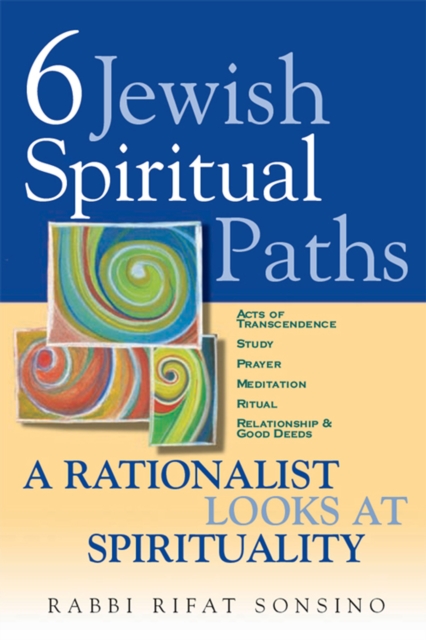
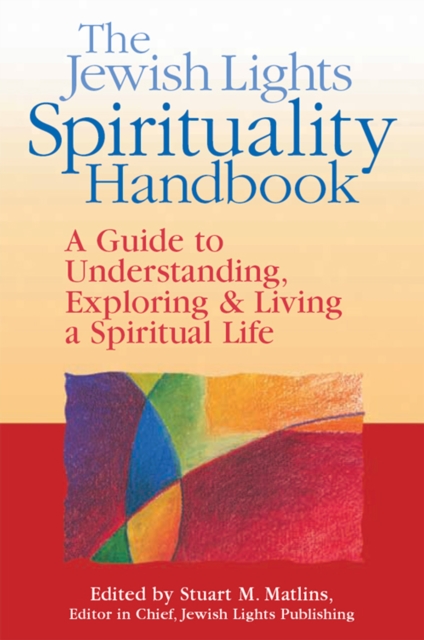
The quest for spirituality is universal, but with so many paths of spiritual nourishment to explore, how do we begin to find the one that is right for us?
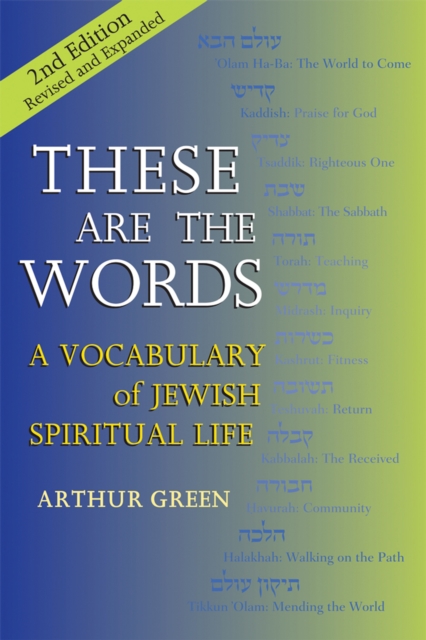
The basic vocabulary of Jewish spiritual life, explained with humor, insight and relevance to guide you on a historical and spiritual journey through Judaism.
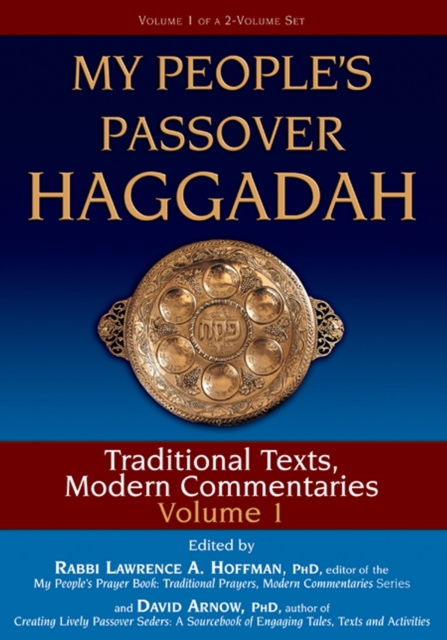
My People's Passover HaggadahTraditional Texts, Modern Commentaries In two volumes, this empowering resource for the spiritual revival of our times enables us to find deeper meaning in one of Judaism's most beloved traditions, the Passover Seder.
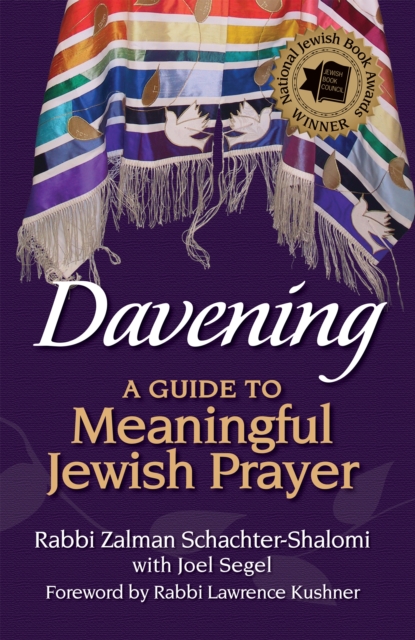
"e;The prayer book is our Jewish diary of the centuries, a collection of prayers composed by generations of those who came before us, as they endeavored to express the meaning of their lives and their relationship to God.
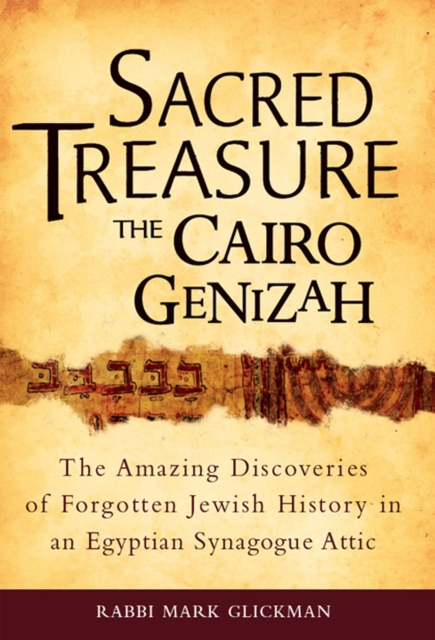
Indiana Jones meets The Da Vinci Code in an old Egyptian synagogue-the amazing story of one of the most important discoveries in modern religious scholarship.
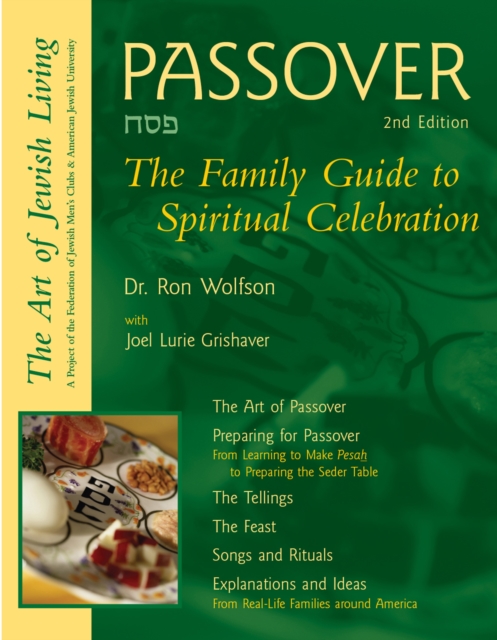
Enrich Your Passover Seder with Renewed Meaning and Significance Whether you are planning to participate in, contribute to, or lead a Passover Seder, Leading the Passover Journey will help you relive the Jewish People's legacy of survival, hope, and redemption, and reconnect with the rich heritage celebrated in this special event.