For almost two thousand years, various images of Jesus accompanied Jewish thought and imagination: a flesh-and-blood Jew, a demon, a spoiled student, an idol, a brother, a (failed) Messiah, a nationalist rebel, a Greek god in Jewish garb, and more.
For almost two thousand years, various images of Jesus accompanied Jewish thought and imagination: a flesh-and-blood Jew, a demon, a spoiled student, an idol, a brother, a (failed) Messiah, a nationalist rebel, a Greek god in Jewish garb, and more.
A re-examination of Jewish scripture and teachings about disabilitiesFew people are untouched by the issue of disability, whether personally or through a friend or relative.
A re-examination of Jewish scripture and teachings about disabilitiesFew people are untouched by the issue of disability, whether personally or through a friend or relative.
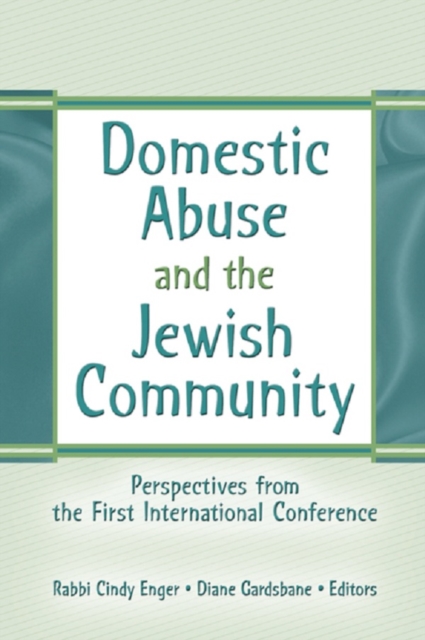
Learn ways to address domestic and sexual abuse in your communityBreaking the cycle of domestic violence and abuse poses unique problems for the Jewish community, owing to the internal divisions of politics, religious practice, and culture.
Learn ways to address domestic and sexual abuse in your communityBreaking the cycle of domestic violence and abuse poses unique problems for the Jewish community, owing to the internal divisions of politics, religious practice, and culture.
In order to understand contemporary Jewish identity in the twenty-first century, one needs to look beyond the Synagogue, the holy days and Jewish customs and law to explore such modern phenomena as mass media and their impact upon Jewish existence.
In order to understand contemporary Jewish identity in the twenty-first century, one needs to look beyond the Synagogue, the holy days and Jewish customs and law to explore such modern phenomena as mass media and their impact upon Jewish existence.
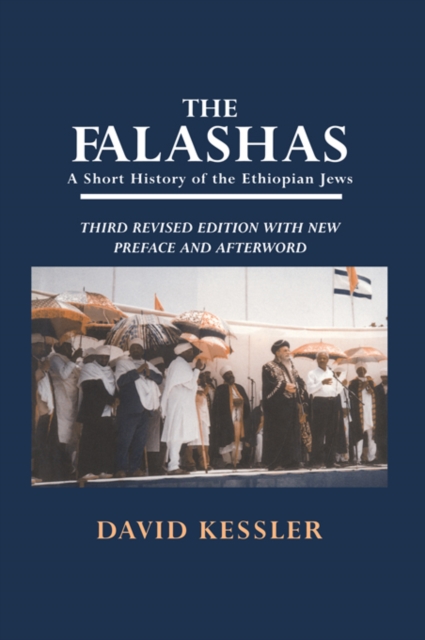
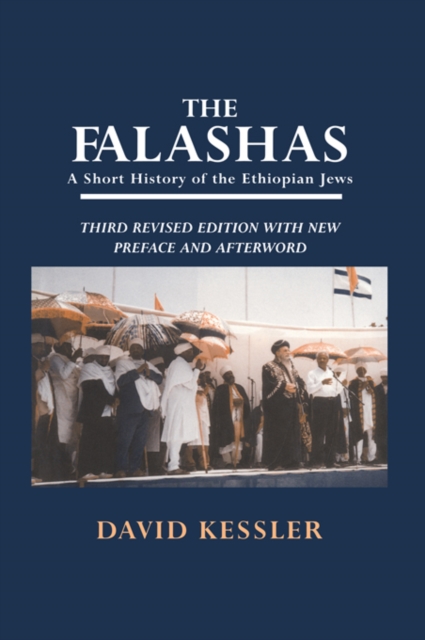
This third, revised edition comprises the whole of the original volume and is enhanced by the addition of a new preface and afterward which seek to reply to criticisms of the authors argument about the origins of the Falashas, and include some new thinking on the subject.
This third, revised edition comprises the whole of the original volume and is enhanced by the addition of a new preface and afterward which seek to reply to criticisms of the authors argument about the origins of the Falashas, and include some new thinking on the subject.
This book explores how philosophical and religious communities in the Roman Empire of the first and second centuries CE engaged with, and were shaped by, their relationship to texts and tradition in their quest for true religious knowledge or ultimate truth.
A companion series to the acclaimed Word Biblical CommentaryFinding the great themes of the books of the Bible is essential to the study of God's Word and to the preaching and teaching of its truths.
In the late nineteenth and early twentieth century, the German intellectual world was challenged by a growing distrust in the rational ideals of the enlightenment, and consequently by a belief in the existence of a radical 'cultural crisis'.
In the late nineteenth and early twentieth century, the German intellectual world was challenged by a growing distrust in the rational ideals of the enlightenment, and consequently by a belief in the existence of a radical 'cultural crisis'.
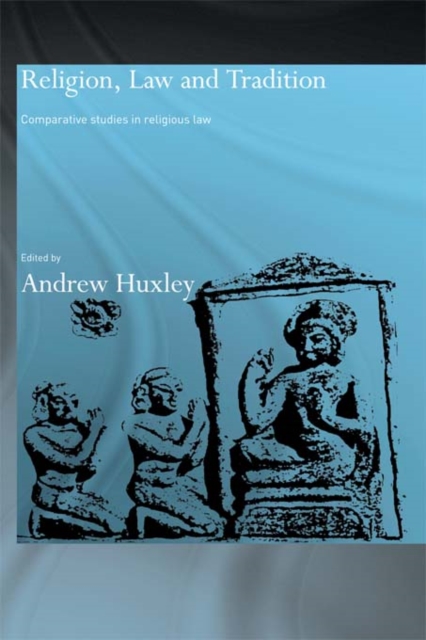
This book brings together two scholarly traditions: experts in Roman, Jewish and Islamic law, an area where scholars tend to be familiar with work in each area, and experts in the legal traditions of South and East Asia, which have tended to be less interdisciplinary.
This book brings together two scholarly traditions: experts in Roman, Jewish and Islamic law, an area where scholars tend to be familiar with work in each area, and experts in the legal traditions of South and East Asia, which have tended to be less interdisciplinary.
Relating the Muslim understanding of Moses in the Qur'an to the Epic of Gilgamesh, Alexander Romances, Aramaic Targums, Rabbinic Bible exegesis, and folklore from the ancient and medieval Mediterranean, this book shows how Muslim scholars authorize and identify themselves through allusions to the Bible and Jewish tradition.
Relating the Muslim understanding of Moses in the Qur'an to the Epic of Gilgamesh, Alexander Romances, Aramaic Targums, Rabbinic Bible exegesis, and folklore from the ancient and medieval Mediterranean, this book shows how Muslim scholars authorize and identify themselves through allusions to the Bible and Jewish tradition.
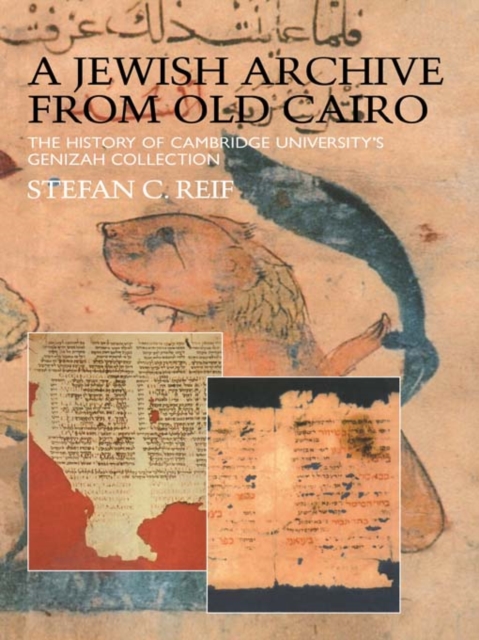
Explains how Cairo came to have its important Genizah archive, how Cambridge developed its interests in Hebraica, and how a number of colourful figures brought about the connection between the two centres.
Explains how Cairo came to have its important Genizah archive, how Cambridge developed its interests in Hebraica, and how a number of colourful figures brought about the connection between the two centres.
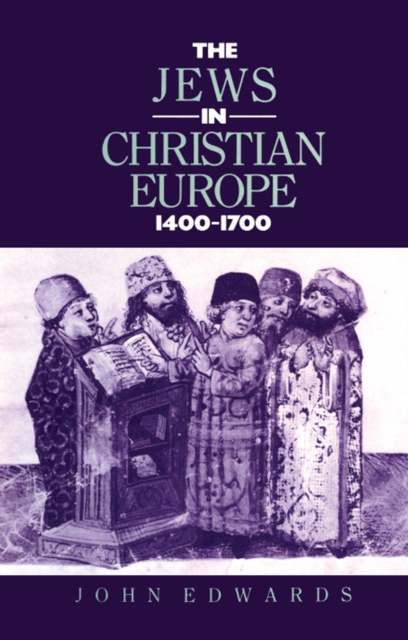
This social and religious history of European Jews in the early modern period is unique in placing Jewish experience in the context of Christian society.