Jews have been a religious and cultural presence in America since the colonial era, and the community of Jews in the United States today-some six million people-continues to make a significant contribution to the American religious landscape.
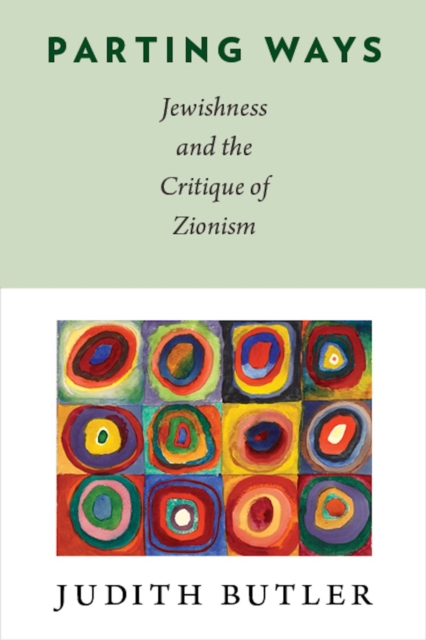
Judith Butler follows Edward Said's late suggestion that through a consideration of Palestinian dispossession in relation to Jewish diasporic traditions a new ethos can be forged for a one-state solution.
Winner of the AAR's 2016 Award for Excellence in the Study of Religion: Textual StudiesHow Repentance Became Biblical tells the story of repentance as a concept.
'Absorbing, fascinating, arresting' The Observer 'Intensely moving, luminous and rather magnificent' The TimesIt was one of the most startling moments in the history of the City of London.
WINNER OF THE 2019 DUFF COOPER PRIZETHE SUNDAY TIMES BESTSELLER'With emotional and psychological insight, Barton unlocks this sleeping giant of our culture.
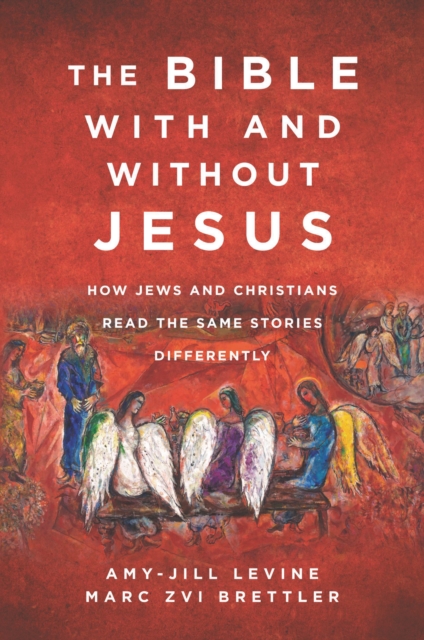
The editors ofThe Jewish Annotated New Testamentshow how and why Jews and Christians read many of the same Biblical texts including passages from the Pentateuch, the Prophets, and the Psalms differently.
This is a modern-day adventure story featuring Paulo's supernatural encounter with angels - who appear as warrior women and travel through the Mojave desert on their motorbikes.
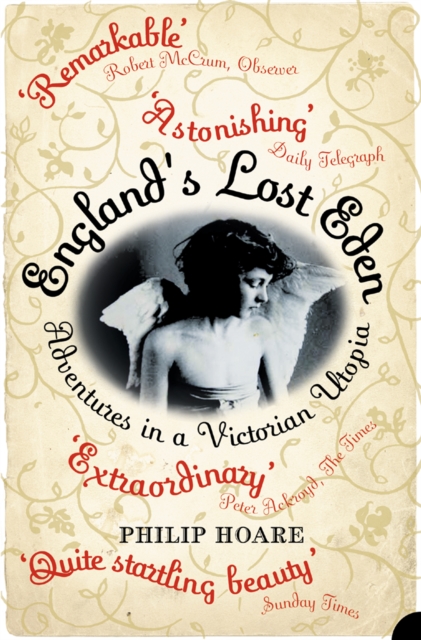
A kaleidoscopic story of myth, Spiritualism, and the Victorian search for Utopia from one of the brightest and most original non-fiction writers at work today.
This unique book is an exploration of Christianity alongside Jewish guides who are well-studied in and sympathetic to Christianity, but who remain "e;near Christianity.
A companion series to the acclaimed Word Biblical CommentaryFinding the great themes of the books of the Bible is essential to the study of God's Word and to the preaching and teaching of its truths.
A companion series to the acclaimed Word Biblical CommentaryFinding the great themes of the books of the Bible is essential to the study of God's Word and to the preaching and teaching of its truths.
A companion series to the acclaimed Word Biblical CommentaryFinding the great themes of the books of the Bible is essential to the study of God's Word and to the preaching and teaching of its truths.
A companion series to the acclaimed Word Biblical CommentaryFinding the great themes of the books of the Bible is essential to the study of God's Word and to the preaching and teaching of its truths.
A companion series to the acclaimed Word Biblical CommentaryFinding the great themes of the books of the Bible is essential to the study of God's Word and to the preaching and teaching of its truths.
A companion series to the acclaimed Word Biblical CommentaryFinding the great themes of the books of the Bible is essential to the study of God's Word and to the preaching and teaching of its truths.
Die systematische Auslöschung jüdischen Lebens in Wien durch die Nationalsozialisten zielte von Beginn an auch auf das vielfältige jüdische Schul- und Bildungswesen.
This book offers new perspectives on the early and formative years of the German-Jewish philosopher Hans Jonas, through innovative studies of his German and Hebrew work in pre-war Germany and Palestine.
Students of mediation are usually surprised to discover that a Jewish mediation tradition exists and that it was an authentic and integral part of mainstream Judaism until the eighteenth century.
Sarna examines the distinctiveness of the Exodus narrative in light of ancient Near Eastern history and contemporaneous cultures--Egyptian, Assyrian, Canaanite, and Babylonian.
David, King of the Jews, possessed every flaw and failing a mortal is capable of, yet men and women adored him and God showered him with many more blessings than he did Abraham or Moses.