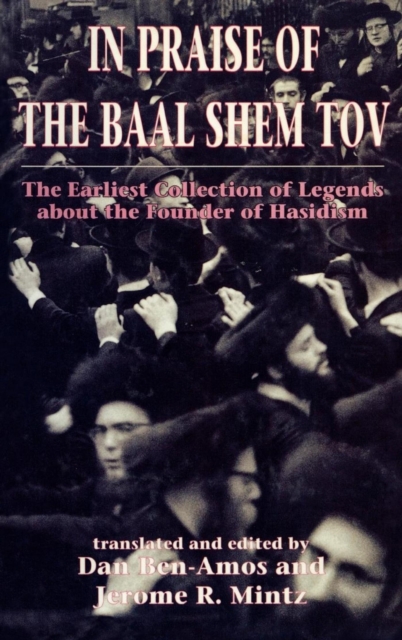
In Praise of the Baal Shem Tov is the first complete English translation of the tales surrounding the Besht, a rabbi and kabbalistic practitioner whose teachings bolstered the growing Hasidic movement in the eighteenth century.
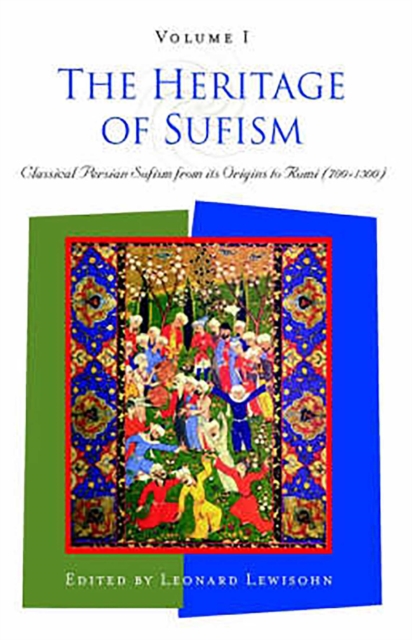
The first volume in a three-volume set, this is a study of the rise of Persian Sufi spirituality and literature in Islam during the first six Muslim centuries.
In "e;Psalm 23: An Odyssey of Faith: Rediscovering the Personal God in Judaism,"e; readers are taken on an enlightening journey through the intricacies of contemporary Jewish faith, emphasizing the quest to reconnect with a personal God.
A global journey showing how philosophy can transform our biggest disagreementsTeaching Plato in Palestine is part intellectual travelogue, part plea for integrating philosophy into our personal and public life.
A comprehensive and accessible guide to the Hebrew BibleThis book brings together some of the world's most exciting scholars from across a variety of disciplines to provide a concise and accessible guide to the Hebrew Bible.
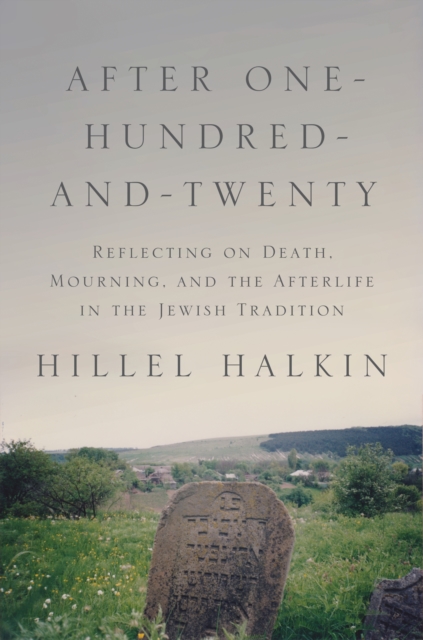
A deeply personal look at death, mourning, and the afterlife in Jewish traditionAfter One-Hundred-and-Twenty provides a richly nuanced and deeply personal look at Jewish attitudes and practices regarding death, mourning, and the afterlife as they have existed and evolved from biblical times to today.
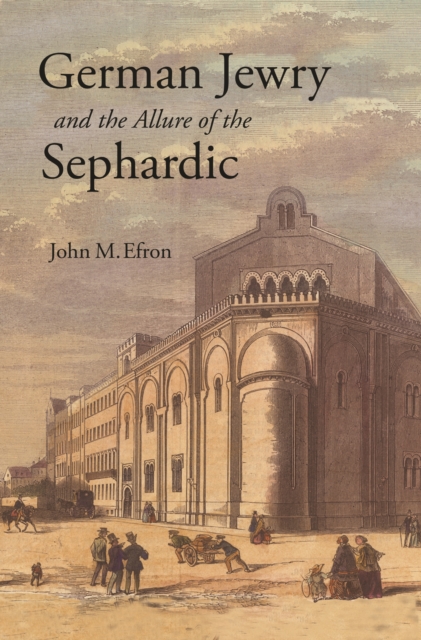
In the eighteenth and nineteenth centuries, as German Jews struggled for legal emancipation and social acceptance, they also embarked on a program of cultural renewal, two key dimensions of which were distancing themselves from their fellow Ashkenazim in Poland and giving a special place to the Sephardim of medieval Spain.
Hasidism, a controversial, mystical-religious movement of Eastern European origin, has posed a serious challenge to mainstream Judaism from its earliest beginnings in the middle of the eighteenth century.
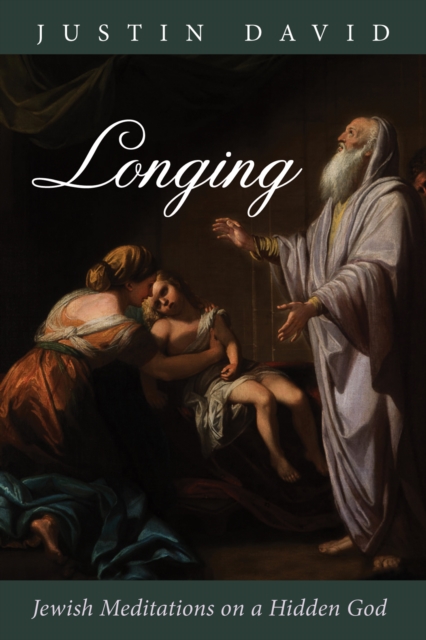
Biblical in origin, the expression "e;eclipse of God"e; refers to the Jewish concept of hester panim, the act of God concealing his face as a way of punishing his disobedient subjects.
The second and final volume of the most authoritative English-language edition of Spinoza's writingsThe Collected Works of Spinoza provides, for the first time in English, a truly satisfactory edition of all of Spinoza's writings, with accurate and readable translations, based on the best critical editions of the original-language texts, done by a scholar who has published extensively on the philosopher's work.
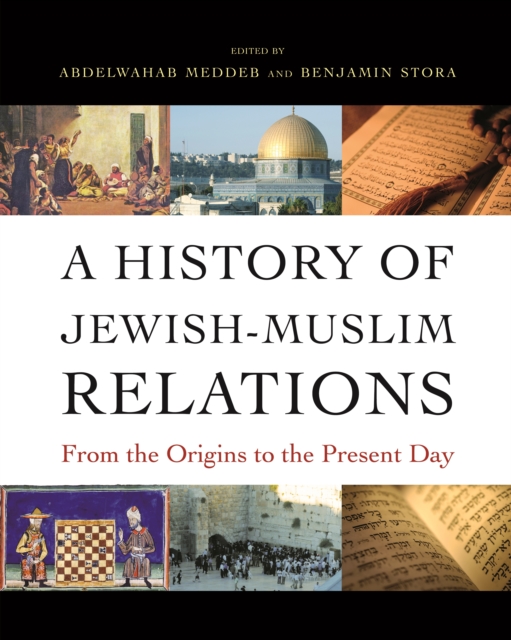
The first encylopedic guide to the history of relations between Jews and Muslims around the worldThis is the first encyclopedic guide to the history of relations between Jews and Muslims around the world from the birth of Islam to today.
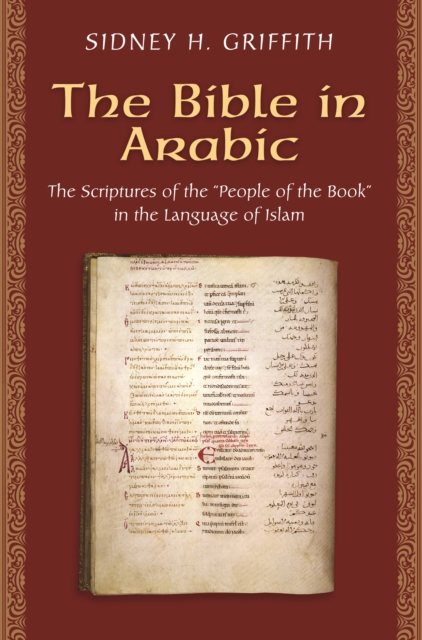
From the first centuries of Islam to well into the Middle Ages, Jews and Christians produced hundreds of manuscripts containing portions of the Bible in Arabic.
Unraveling the controversies surrounding the Dead Sea ScrollsSince they were first discovered in the caves at Qumran in 1947, the Dead Sea Scrolls have aroused more fascination-and more controversy-than perhaps any other archaeological find.
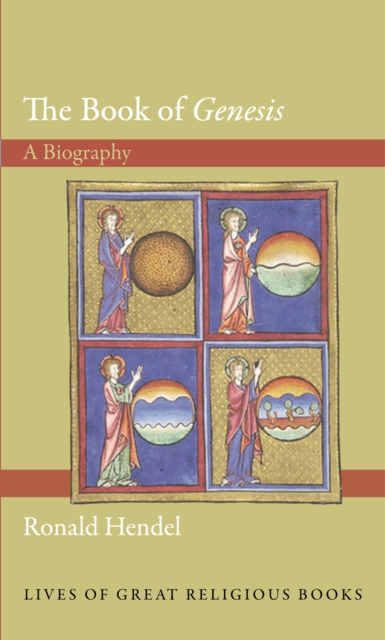
An essential biography of one of the Bible's most influential booksDuring its 2,500-year life, the book of Genesis has been the keystone to almost every important claim about reality, humanity, and God in Judaism and Christianity.
How the Ottomans refashioned and legitimated their rule through mystical imageries of authorityThe medieval theory of the caliphate, epitomized by the Abbasids (750-1258), was the construct of jurists who conceived it as a contractual leadership of the Muslim community in succession to the Prophet Muhammed's political authority.
A pathbreaking history of Sufism, from the earliest centuries of Islam to the presentAfter centuries as the most important ascetic-mystical strand of Islam, Sufism saw a sharp decline in the twentieth century, only to experience a stunning revival in recent decades.
The Jewish Social Contract begins by asking how a traditional Jew can participate politically and socially and in good faith in a modern democratic society, and ends by proposing a broad, inclusive notion of secularity.
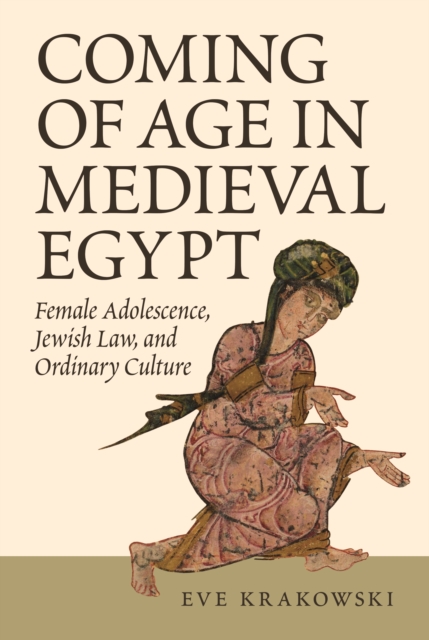
Much of what we know about life in the medieval Islamic Middle East comes from texts written to impart religious ideals or to chronicle the movements of great men.
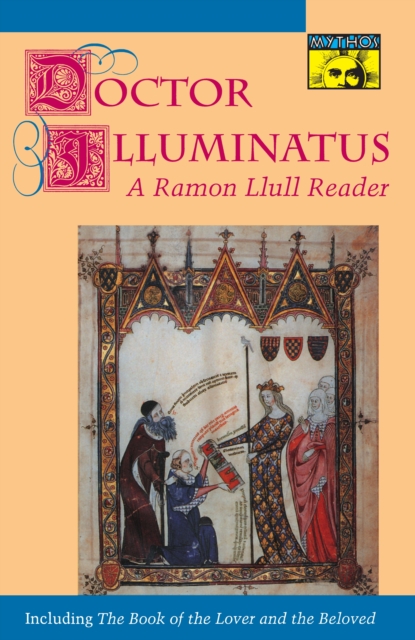
For this new anthology, Anthony Bonner has chosen central texts from his acclaimed two-volume compilation Selected Works of Ramon Llull (Princeton, 1985).
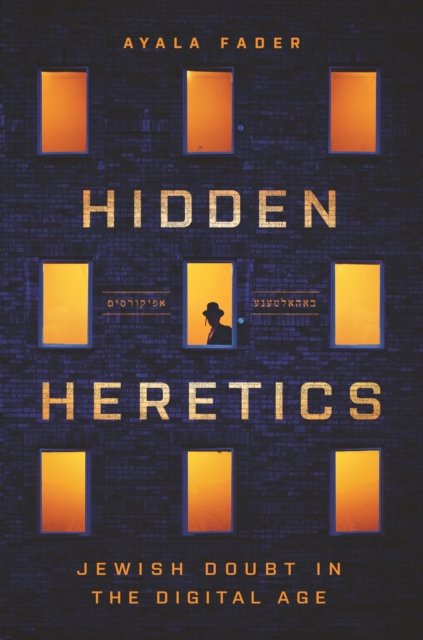
A revealing look at Jewish men and women who secretly explore the outside world, in person and online, while remaining in their ultra-Orthodox religious communities What would you do if you questioned your religious faith, but revealing that would cause you to lose your family and the only way of life you had ever known?
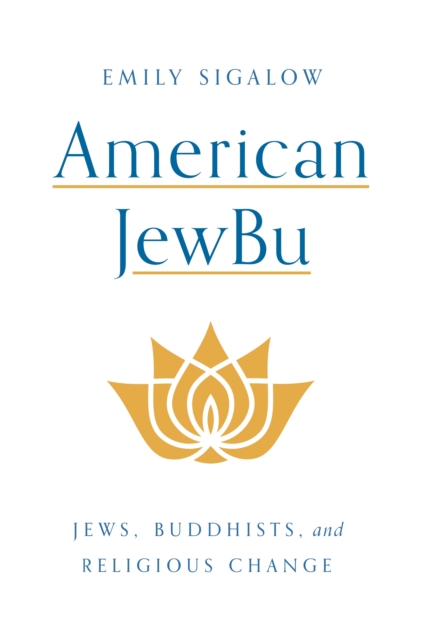
A revealing look at the Jewish American encounter with BuddhismToday, many Jewish Americans are embracing a dual religious identity, practicing Buddhism while also staying connected to their Jewish roots.
The Secret Source reveals the actual occult doctrines that gave birth to The Law of Attraction and later inspired the media phenomenon known as The Secret.
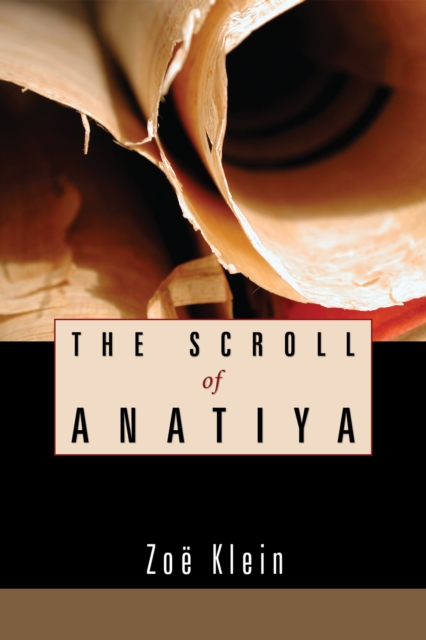
Written in the high art style of prophetic witness, The Scroll of Anatiya reveals a new kind of biblical heroine who is fiercely passionate and sensual.
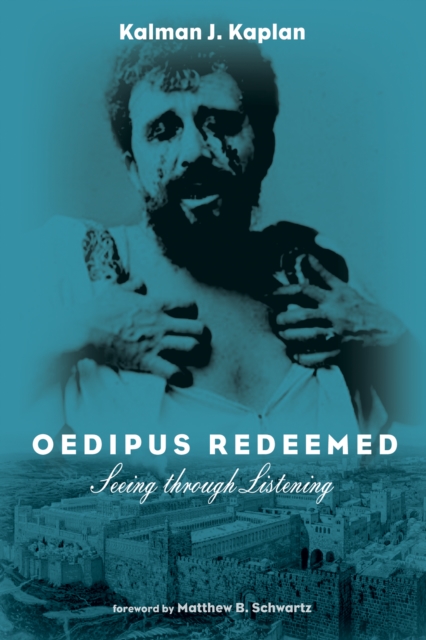
An initial play, Oedipus in Jerusalem, related the narrative of Nathan, the biblical prophet, encountering the blinded Oedipus wandering alone outside of Thebes.
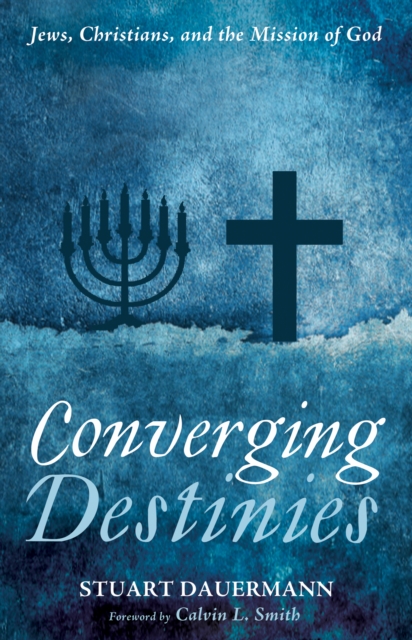
While all have reason to celebrate the greening of Christian-Jewish relations since the Shoah and the promulgation of Nostra Aetate (4), few will deny that much work remains to be done by Christians and Jews seeking the best way forward that they might best serve God's purposes in the world, the mission of God.
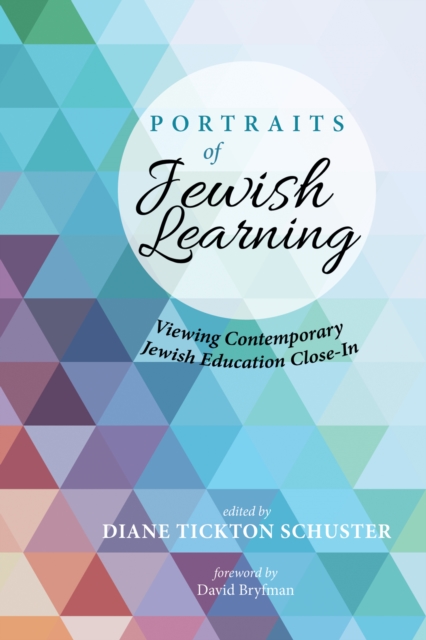
Portraits of Jewish Learning brings together colorful accounts of the ways that Jewish students today are having meaningful learning experiences in day school classrooms, Hebrew programs, synagogue-based schools, and high school and college courses that push students out of their comfort zone.
An exquisite combination of Judaism's common blessings, stories from everyday life, and tales and wisdom from Jewish tradition, this book is a source of inspiration and a cause for self-reflection.