Der Autor analysiert die literarische Struktur von Prov 1-9 und zeichnet nach, wie diese erste "Sammlung" des biblischen Proverbien-Buches entstanden ist.
Die Reihe Beihefte zur Zeitschrift für die neutestamentliche Wissenschaft (BZNW) ist eine der renommiertesten internationalen Buchreihen zur neutestamentlichen Wissenschaft.
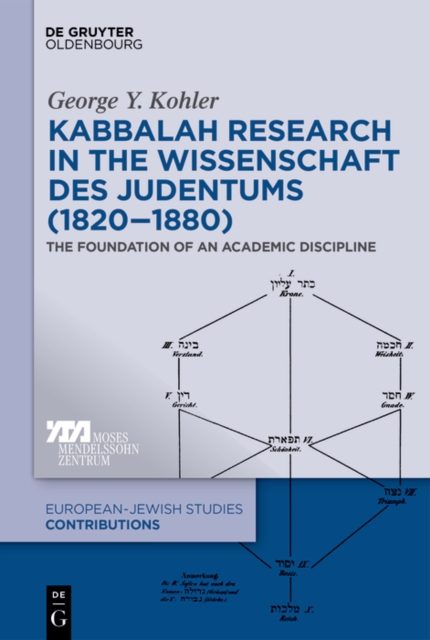
In recent years more and more scholars have become aware of the fact that the 19th century movement of the Wissenschaft des Judentums engaged in essential research of kabbalistic texts and thinkers.
In eleven contributions, Visual Antisemitism in Central Europe, Imagery of Hatred deals with visual manifestations of antisemitism in Central Europe from the Middle Ages to the present day.
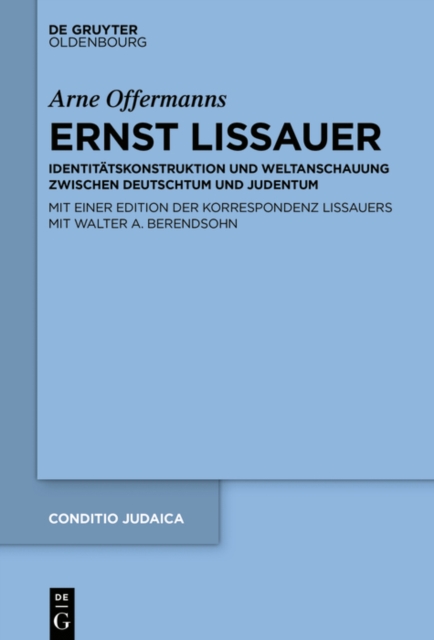
Ernst Lissauer (1882–1937), Autor des berüchtigten „Haßgesangs gegen England“, gehört zu den stark assimilierten deutschen ‚Juden‘, die unter dem Antisemitismus mehr als Deutsche denn als Juden litten.
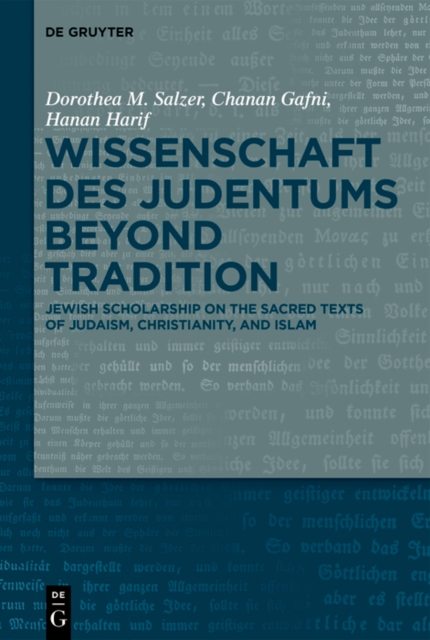
The scholarly study of the texts traditionally regarded as sacred in Judaism, Christianity, and Islam has been an important aspect of Wissenschaft des Judentums and was often conceptualized as part of Jewish theology.
The present volume provides a comparative look at the contents and layout features of secondary annotations in biblical manuscripts across linguistic traditions.
Ernst Lissauer (1882–1937), Autor des berüchtigten „Haßgesangs gegen England“, gehört zu den stark assimilierten deutschen ‚Juden‘, die unter dem Antisemitismus mehr als Deutsche denn als Juden litten.
The scholarly study of the texts traditionally regarded as sacred in Judaism, Christianity, and Islam has been an important aspect of Wissenschaft des Judentums and was often conceptualized as part of Jewish theology.
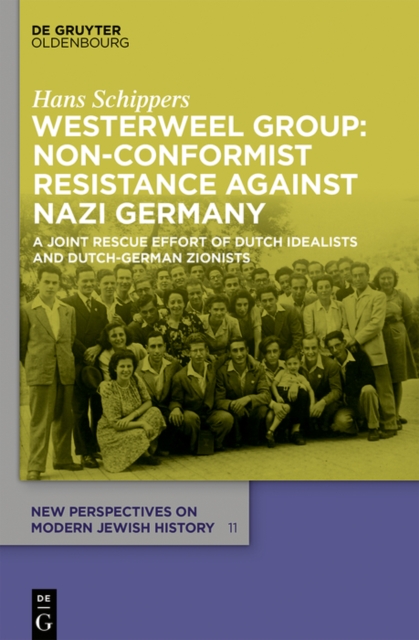
The book about the Westerweel Group tells the fascinating story about the cooperation of some ten non-conformist Dutch socialists and a group of Palestine Pioneers who mostly had arrived in the Netherlands from Germany and Austria the late thirties.
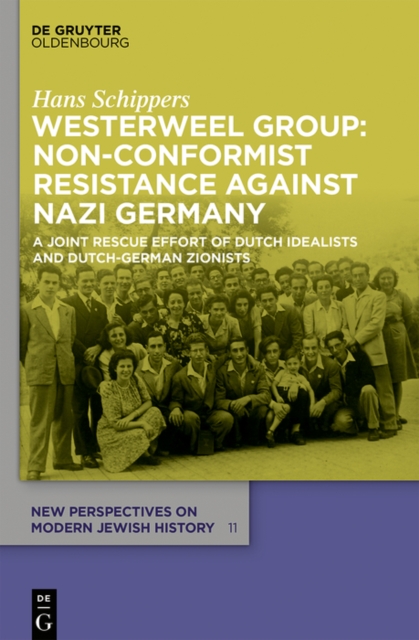
The book about the Westerweel Group tells the fascinating story about the cooperation of some ten non-conformist Dutch socialists and a group of Palestine Pioneers who mostly had arrived in the Netherlands from Germany and Austria the late thirties.
Zionism, the German Empire, and Africa explores the impact on the self-perception and culture of early Zionism of contemporary constructions of racial difference and of the experience of colonialism in imperial Germany.
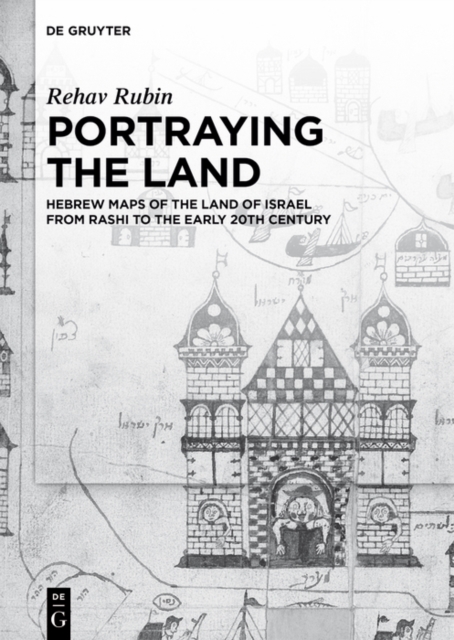
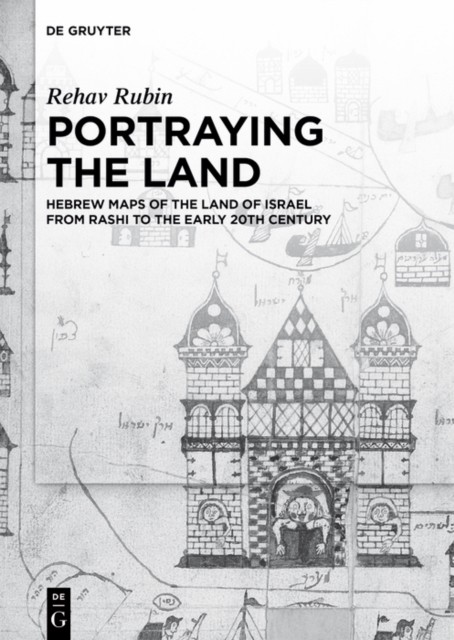
The book presents and discusses a large corpus of Jewish maps of the Holy Land that were drawn by Jewish scholars from the 11th to the 20th century, and thus fills a significant lacuna both in the history of cartography and in Jewish studies.
The book presents and discusses a large corpus of Jewish maps of the Holy Land that were drawn by Jewish scholars from the 11th to the 20th century, and thus fills a significant lacuna both in the history of cartography and in Jewish studies.
Max Nordau (1849–1923), Arzt, Schriftsteller und Kulturkritiker, geboren in Pest als Sohn des Rabbiners Gabriel Südfeld, begegnet Anfang der 90er Jahre Theodor Herzl, dessen Bemühungen um die Gründung eines Judenstaates er vorbehaltlos unterstützt.