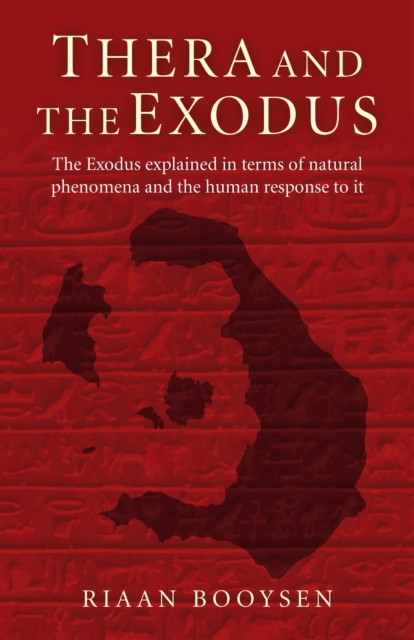
Of all the volcanic eruptions that shook the earth, two of the volcano on the Aegean island Thera, modern Santorini, are more important to the modern world than any other.
Blending scholarship with an original approach, this new introduction to Confucianism is an informative and intriguing guide to China's ancient philosophical tradition.
An inspired and impassioned historical examination of humanity's search for the divineFrom Plato to Wittgenstein and religions from Judaism to the Hindu tradition, interspersed with divine influences from Classical Greece, Romantic poetry, and the occasional scene from 'Alien', ';God: A Guide for the Perplexed' charts the path of humanity's great spiritual odyssey: the search for God.
Channeled Transmissions from Yeshua offering evolved, authentic, and original wisdom for the deepest realization of truth, love, and peace through balance, liberation, and transcendence from the burdens that anchor us to suffering and fear.
"e;While there is now no lack of books which regale the English reader with selections from the Talmud, tales from the Talmud and wise sayings of the Rabbis, there is no work which attempts a comprehensive survey of the doctrine of this important branch of Jewish literature.
'Magisterial and eloquent' SUNDAY TELEGRAPHIn this critically acclaimed book, Paul Johnson delves deep into the 4,000-year history of the Jews: a race of awe-inspiring endurance, steadfast homogeneity and loyalty and, above all, the belief that history has a purpose and humanity a destiny.
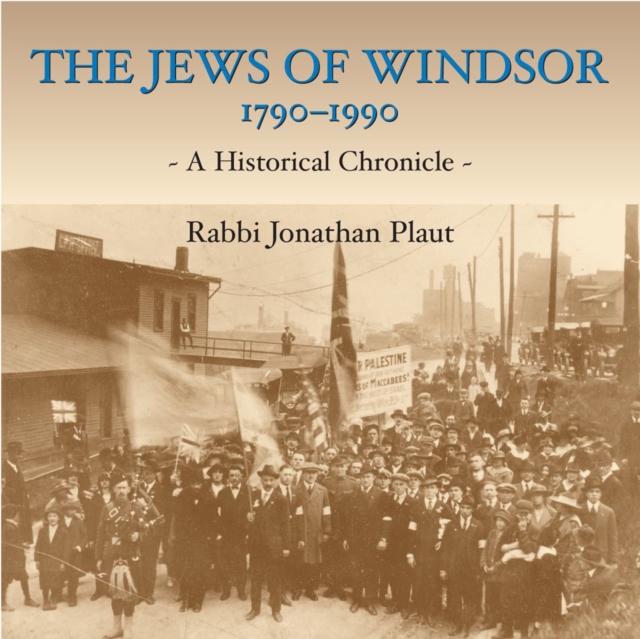
Beginning with the first Jewish settler, Moses David, the important role that Windsor Jews played in the development of Ontario's south is mirrored in this 200-year chronicle.
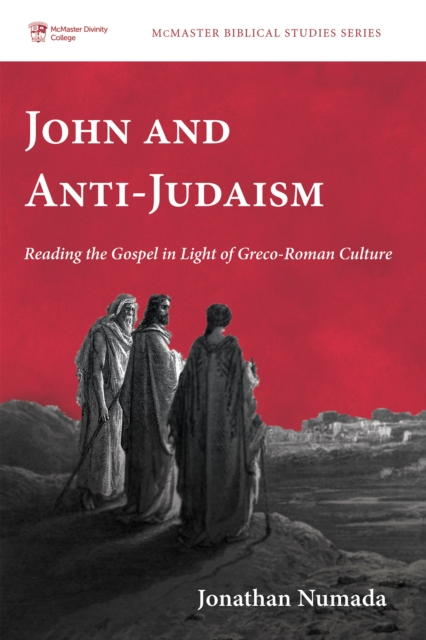
This study argues that the Gospel of John's anti-Judaism can be well understood from the perspective of trends apparent within the context of broader Greco-Roman culture.
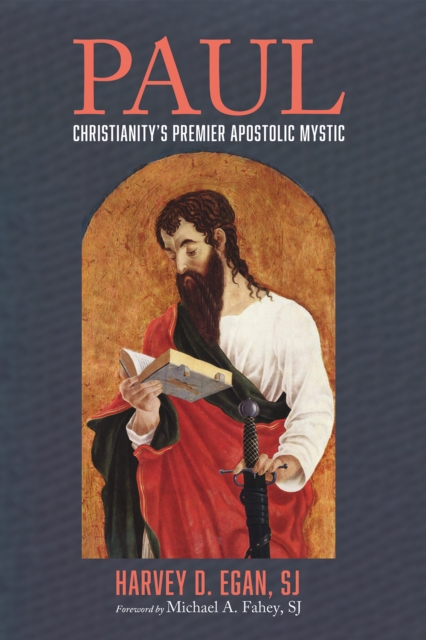
Harvey Egan argues that the apostle Paul was Christianity's earliest mystic, and the world's greatest missionary, one whom scholars estimate walked over fifteen hundred miles--not to mention his dangerous sea journeys--to plant the flag of Lord Jesus in Roman colonies where Caesar was supposedly lord.
Futurists speculate that we are heading towards a 'singularity,' where AI will outsmart human beings, and humanity will coalesce into a single, ever-expanding mind for which data is everything.
Queering the Text: Biblical, Medieval, and Modern Jewish Stories grapples with traditional midrashim, plays with homoerotic love poems from medieval Spain, and envisions alternate versions of the present.
This book, an examination of Judaism as it evolved over a period of approximately 1,500 years, is an analysis of the Hebrew Bible and other ancient Jewish writings, with special emphasis on theology and morality.
The remarkable discovery of ancient Near Eastern law collections or "e;codes,"e; beginning with the Laws of Hammurabi and followed by many other collections in decades following, opened a new window upon biblical law.
"e;These essays have been brought together with a number of purposes in mind, within the context of a basic concern to explore something of the depth and vitality of the Jewish scriptures and of the Jewish and Christian religious traditions that have grown out of them.
In the New Testament, figures drawn from common experience often communicate deep theological truth, depicting the vital relationship of the believer to Jesus Christ.
The point of this book is simple: to make Christians aware of a story that they have not been told--the story of relations between Christians and Jews.