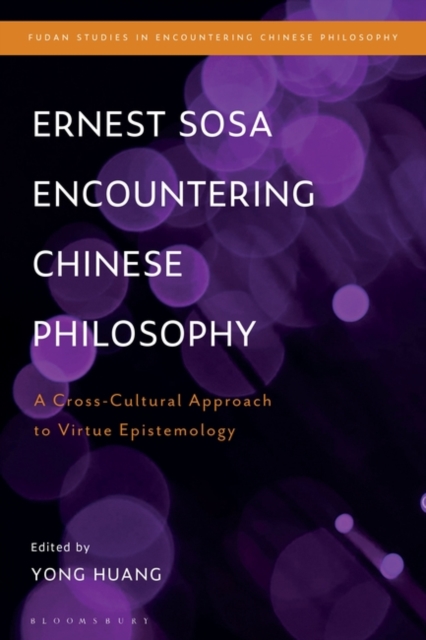
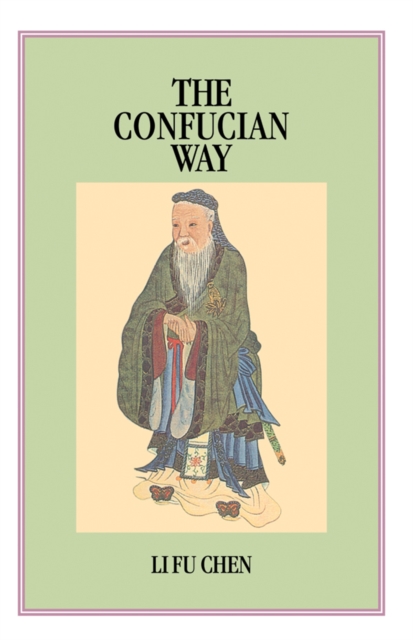
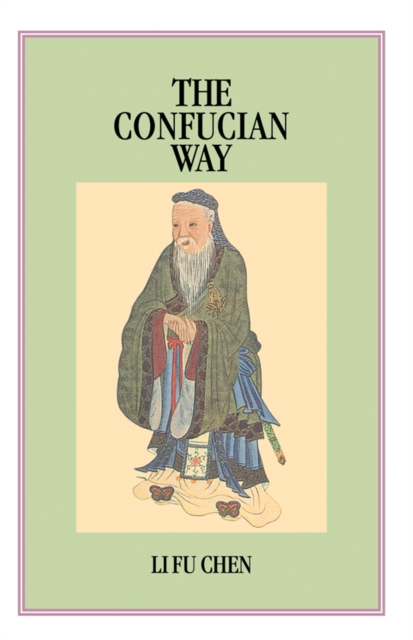
This title critically examines Mou Zongsan's philosophical system of moral metaphysics on the level of metaphysics and history philosophy, which combines Confucianism and Kantianism philosophy.
This title critically examines Mou Zongsan's philosophical system of moral metaphysics on the level of metaphysics and history philosophy, which combines Confucianism and Kantianism philosophy.
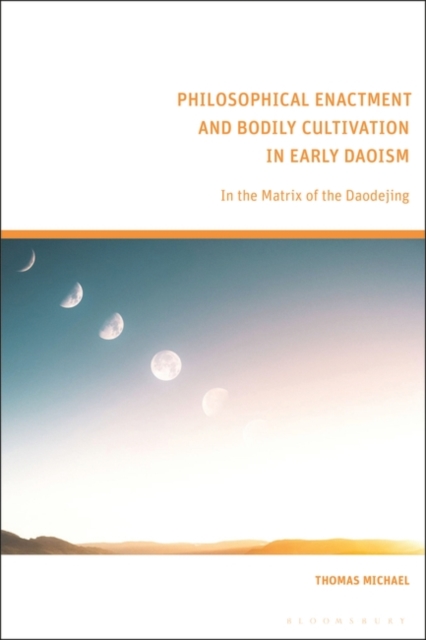
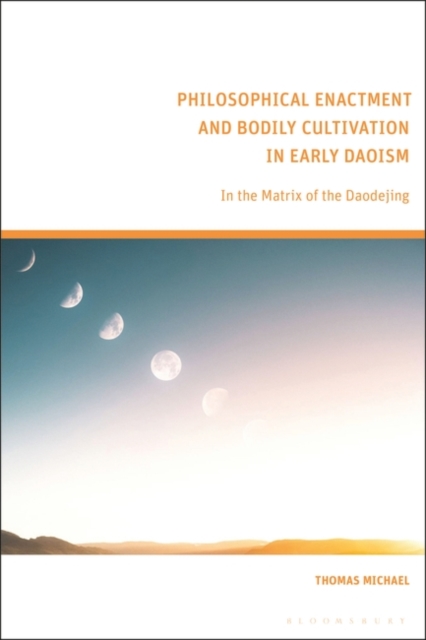
In Philosophical Enactment and Bodily Cultivation in Early Daoism, Thomas Michael illuminates the formative early history of the Daodejing and the social, political, religious, and philosophical trends that indelibly marked it.
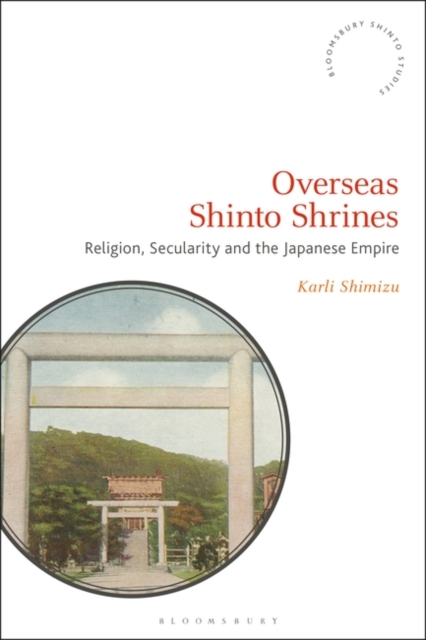
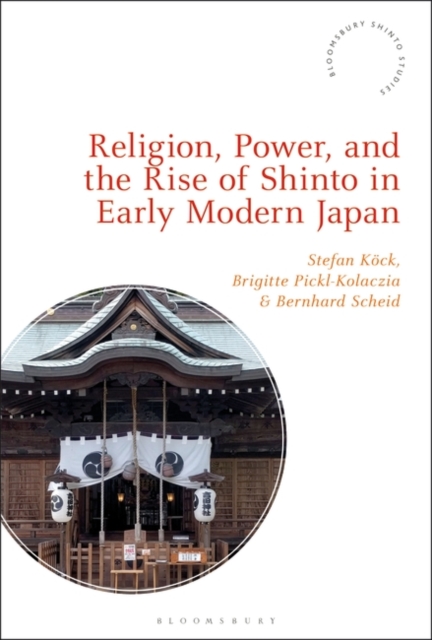
Through extensive use of primary resources and fieldwork, this detailed study examines overseas Shinto shrines and their complex role in the colonization and modernization of newly Japanese lands and subjects.
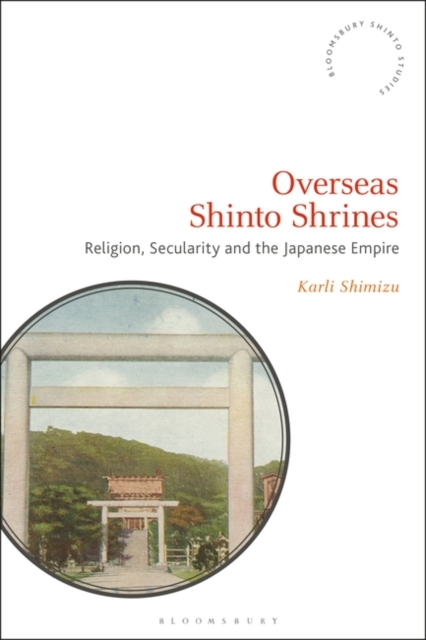
Through extensive use of primary resources and fieldwork, this detailed study examines overseas Shinto shrines and their complex role in the colonization and modernization of newly Japanese lands and subjects.
The study of religions is essential for understanding other cultures, building a sense of belonging in a multicultural world and fostering a global intercultural dialogue.
The study of religions is essential for understanding other cultures, building a sense of belonging in a multicultural world and fostering a global intercultural dialogue.
It is widely claimed that notions of gods and religious beliefs are irrelevant or inconsequential to early Chinese ( Confucian ) moral and political thought.
It is widely claimed that notions of gods and religious beliefs are irrelevant or inconsequential to early Chinese ( Confucian ) moral and political thought.
In Philosophical Enactment and Bodily Cultivation in Early Daoism, Thomas Michael illuminates the formative early history of the Daodejing and the social, political, religious, and philosophical trends that indelibly marked it.
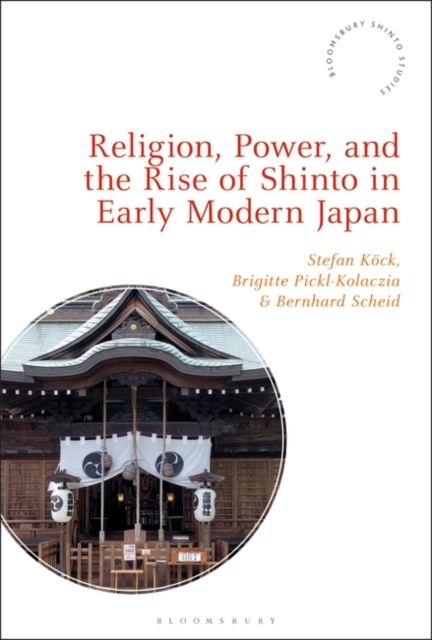
This book sheds new light on the relationship between religion and state in early modern Japan, and demonstrates the growing awareness of Shinto in both the political and the intellectual elite of Tokugawa Japan, even though Buddhism remained the privileged means of stately religious control.
This book sheds new light on the relationship between religion and state in early modern Japan, and demonstrates the growing awareness of Shinto in both the political and the intellectual elite of Tokugawa Japan, even though Buddhism remained the privileged means of stately religious control.
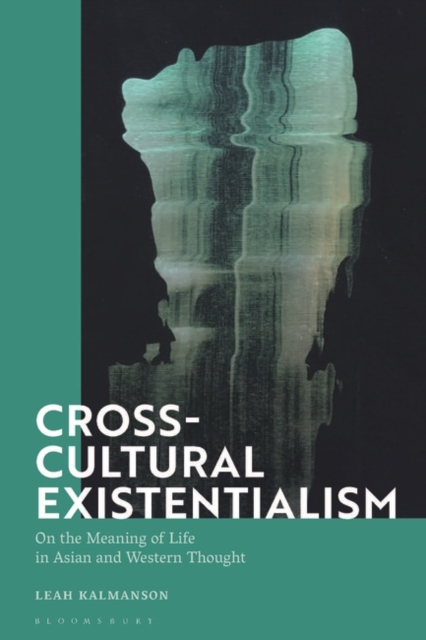
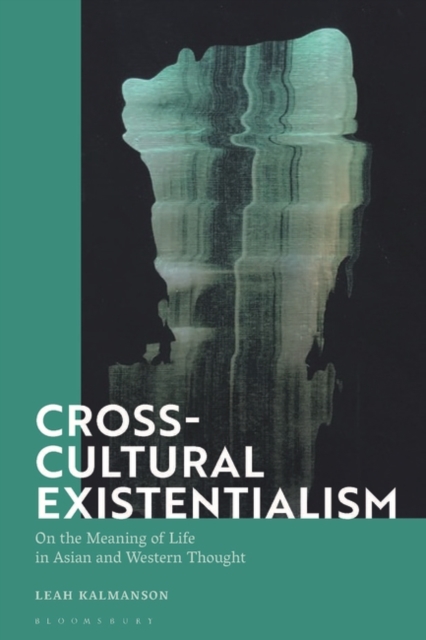
Engaging in existential discourse beyond the European tradition, this book turns to Asian philosophies to reassess vital questions of life's purpose, death's imminence, and our capacity for living meaningfully in conditions of uncertainty.
Engaging in existential discourse beyond the European tradition, this book turns to Asian philosophies to reassess vital questions of life's purpose, death's imminence, and our capacity for living meaningfully in conditions of uncertainty.
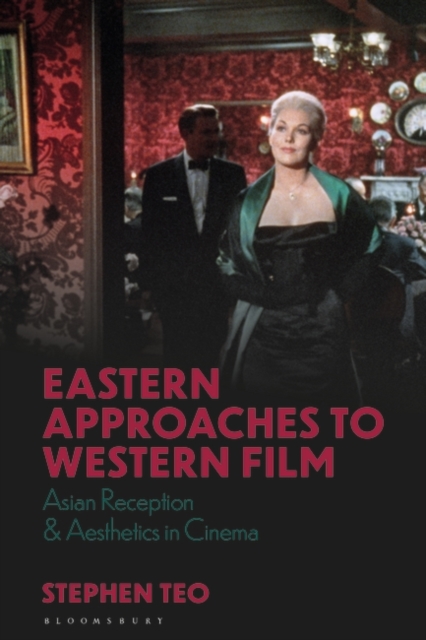
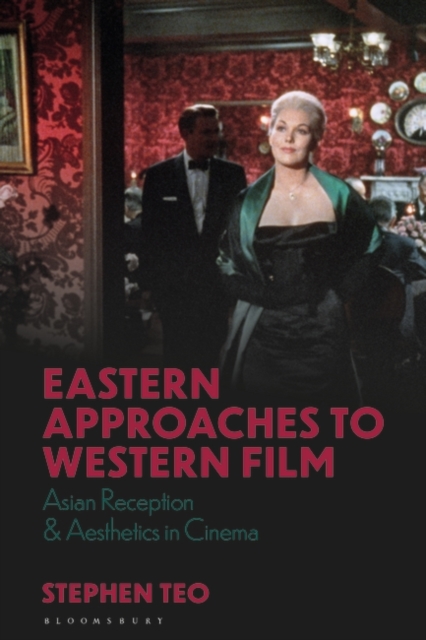
Eastern Approaches to Western Film: Asian Aesthetics and Reception in Cinema offers a renewed critical outlook on Western classic film directly from the pantheon of European and American masters, including Alfred Hitchcock, George Lucas, Robert Bresson, Carl Dreyer, Jean-Pierre Melville, John Ford, Leo McCarey, Sam Peckinpah, and Orson Welles.
Eastern Approaches to Western Film: Asian Aesthetics and Reception in Cinema offers a renewed critical outlook on Western classic film directly from the pantheon of European and American masters, including Alfred Hitchcock, George Lucas, Robert Bresson, Carl Dreyer, Jean-Pierre Melville, John Ford, Leo McCarey, Sam Peckinpah, and Orson Welles.
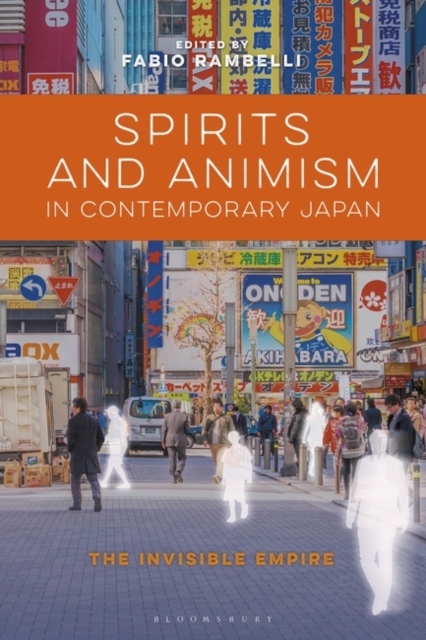
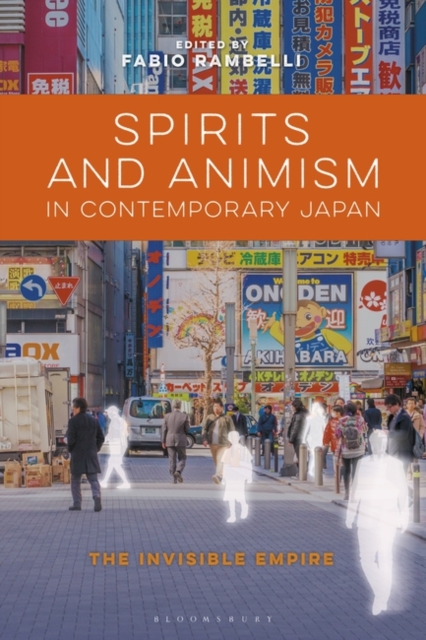
This book draws attention to a striking aspect of contemporary Japanese culture: the prevalence of discussions and representations of “spirits” (tama or tamashii).
This book draws attention to a striking aspect of contemporary Japanese culture: the prevalence of discussions and representations of “spirits” (tama or tamashii).
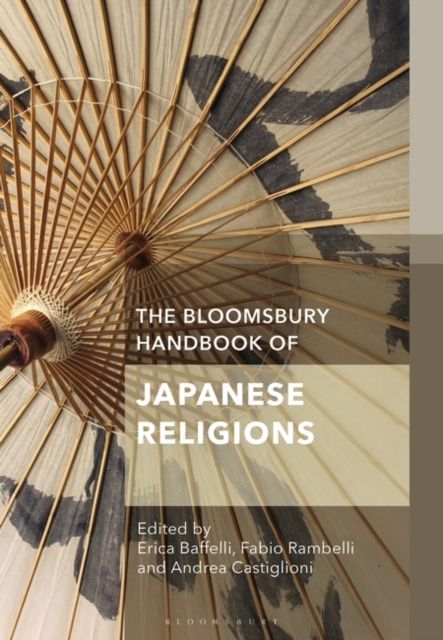
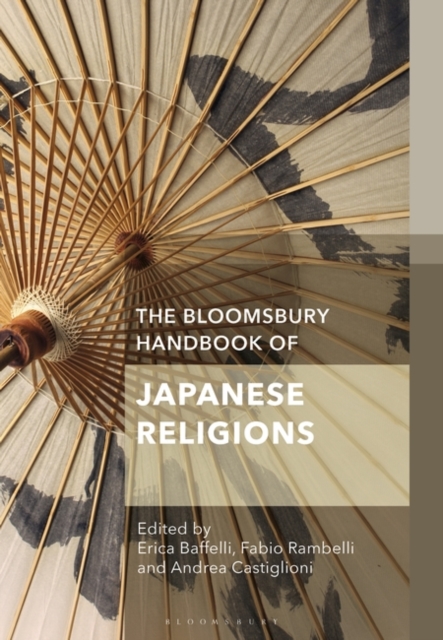
Providing an overview of current cutting-edge research in the field of Japanese religions, this Handbook is the most up-to-date guide to contemporary scholarship in the field.
Providing an overview of current cutting-edge research in the field of Japanese religions, this Handbook is the most up-to-date guide to contemporary scholarship in the field.
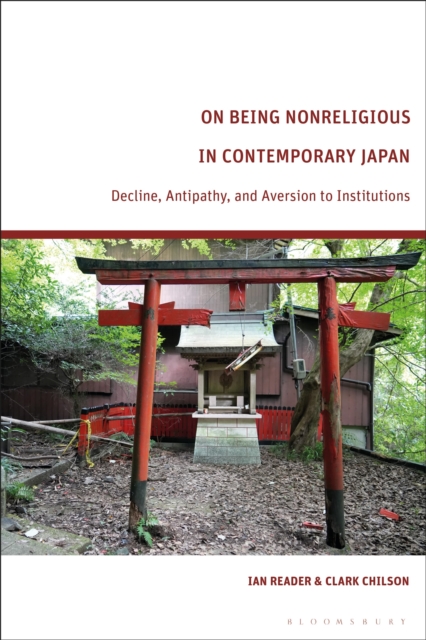
Challenging the notion of the nonreligious in Japan being religious through tradition and institution, this book demonstrates how negativity and antipathy for religion relate to religious decline in Japan today.
The Encyclopedia, the first of its kind, introduces Confucianism as a whole, with 1,235 entries giving full information on its history, doctrines, schools, rituals, sacred places and terminology, and on the adaptation, transformation and new thinking taking place in China and other Eastern Asian countries.
The Encyclopedia, the first of its kind, introduces Confucianism as a whole, with 1,235 entries giving full information on its history, doctrines, schools, rituals, sacred places and terminology, and on the adaptation, transformation and new thinking taking place in China and other Eastern Asian countries.