This is the only book to date offering a critical overview of Shinto from early times to the modern era, and evaluating Shinto's place in Japanese religious culture.
Subtle-body practices are found particularly in Indian, Indo-Tibetan and East Asian societies, but have become increasingly familiar in Western societies, especially through the various healing and yogic techniques and exercises associated with them.
Subtle-body practices are found particularly in Indian, Indo-Tibetan and East Asian societies, but have become increasingly familiar in Western societies, especially through the various healing and yogic techniques and exercises associated with them.
Analyses the foundation of the San-kuo Wei Dynasty by Ts'ao P'I in 220 CE, using the main historical accounts, a wide range of religious and philosophical writings, epigraphical records, and above all, the records contained in the commentaries to Ch'en Shou's San-kuo chih by the fifth century writer P'ei Sung-chih.
Analyses the foundation of the San-kuo Wei Dynasty by Ts'ao P'I in 220 CE, using the main historical accounts, a wide range of religious and philosophical writings, epigraphical records, and above all, the records contained in the commentaries to Ch'en Shou's San-kuo chih by the fifth century writer P'ei Sung-chih.
China's Thought Management argues that by re-emphasizing and modernizing propaganda and thought work since 1989, the CCP has managed to overcome a succession of local and national level crises - the Tiananmen Square protests of 1989, the impact of the collapse Socialism in the Eastern bloc, SARS, ethnic clashes in Tibet and Xinjiang, to name but a few - emerging re-strengthened and as dominant in Chinese society as ever.
China's Thought Management argues that by re-emphasizing and modernizing propaganda and thought work since 1989, the CCP has managed to overcome a succession of local and national level crises - the Tiananmen Square protests of 1989, the impact of the collapse Socialism in the Eastern bloc, SARS, ethnic clashes in Tibet and Xinjiang, to name but a few - emerging re-strengthened and as dominant in Chinese society as ever.
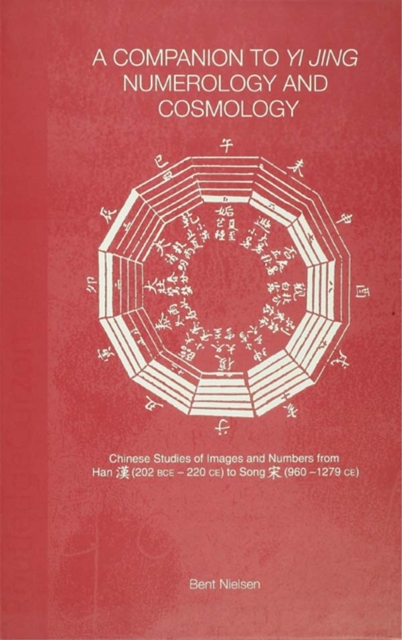
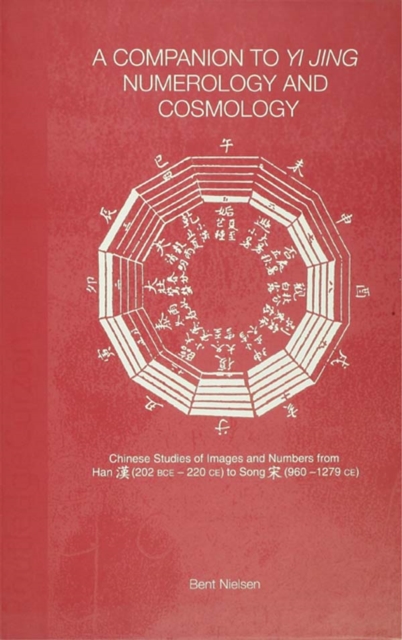
Translations of the Yi jing into western languages have been biased towards the yili ('meaning and pattern') tradition, whereas studies of the xiangshu ('image and number') tradition - which takes as its point of departure the imagery and numerology associated with divination and its hexagrams, trigrams, lines, and related charts and diagrams - has remained relatively unexplored.
Translations of the Yi jing into western languages have been biased towards the yili ('meaning and pattern') tradition, whereas studies of the xiangshu ('image and number') tradition - which takes as its point of departure the imagery and numerology associated with divination and its hexagrams, trigrams, lines, and related charts and diagrams - has remained relatively unexplored.
First published in 1964These volumes analyze modern Chinese history and its inner process, from the pre-western plateau of Confucianism to the communist triumph, in the context of many themes: science, art, philosophy, religion and economic, political, and social change.
First published in 1964These volumes analyze modern Chinese history and its inner process, from the pre-western plateau of Confucianism to the communist triumph, in the context of many themes: science, art, philosophy, religion and economic, political, and social change.
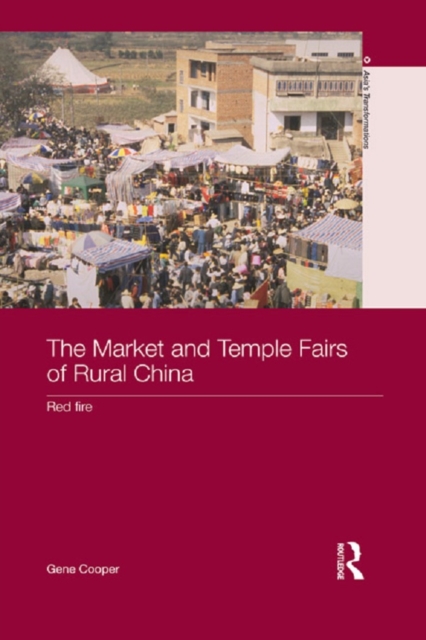
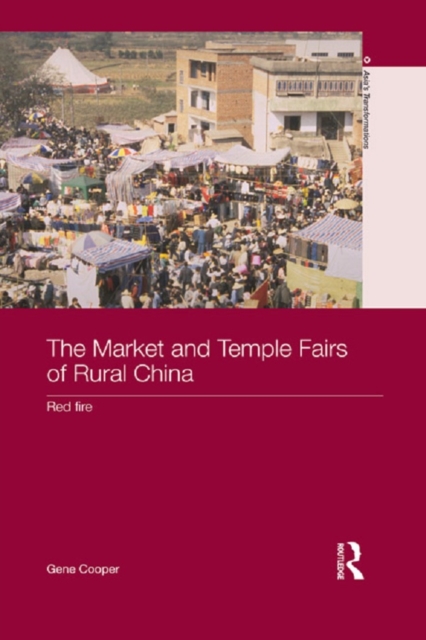
Much has been written on how temples are constructed or reconstructed for reviving local religious and communal life or for recycling tradition after the market reforms in China.
Much has been written on how temples are constructed or reconstructed for reviving local religious and communal life or for recycling tradition after the market reforms in China.
Justification for the writing of this book lies in the twofold fact of the existence of a practically open field and the special importance of a knowledge of Shinto in reaching an adequate understanding of contemporary Japan-politically, socially and religiously.
Justification for the writing of this book lies in the twofold fact of the existence of a practically open field and the special importance of a knowledge of Shinto in reaching an adequate understanding of contemporary Japan-politically, socially and religiously.
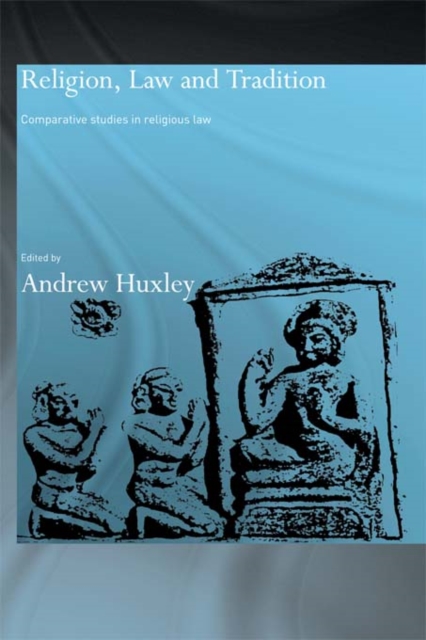
This book brings together two scholarly traditions: experts in Roman, Jewish and Islamic law, an area where scholars tend to be familiar with work in each area, and experts in the legal traditions of South and East Asia, which have tended to be less interdisciplinary.
This book brings together two scholarly traditions: experts in Roman, Jewish and Islamic law, an area where scholars tend to be familiar with work in each area, and experts in the legal traditions of South and East Asia, which have tended to be less interdisciplinary.
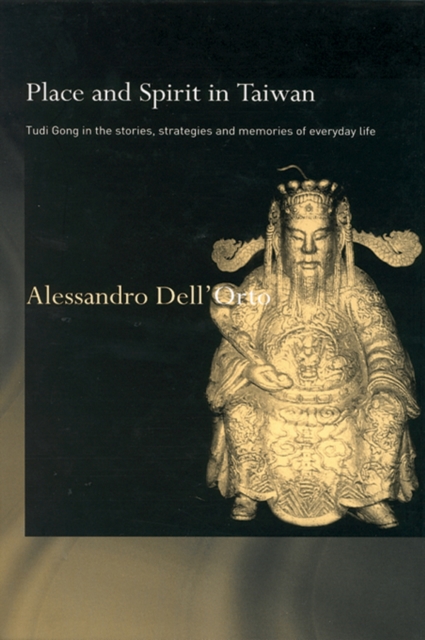
Based on field-work in Taiwan, this book examines the ancient, indigenous religious cult of Tudi Gong both as a religio-social phenomenon and as an appropriate medium for exploring and analysing the social changes that have been occurring in contemporary Taiwan, and the people's strategic adaptations to these changes.