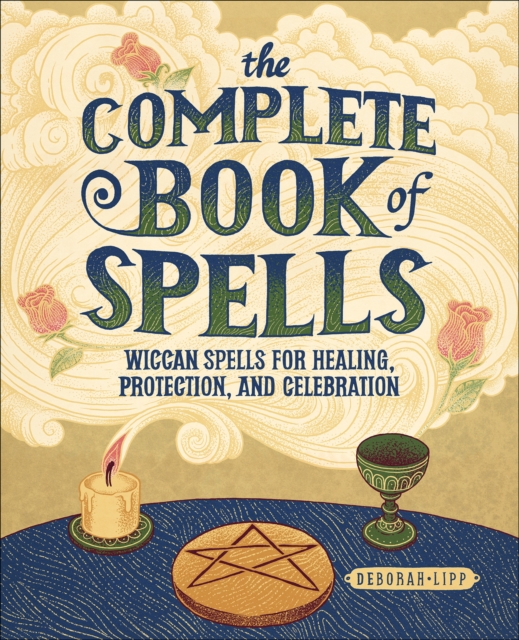
A comprehensive book of Wiccan spells to enrich your lifeWicca is an ancient practice rooted in multiple magical traditions, from simple, spiritual practices of folk magic to a reverence for the Goddess of Nature and the Old Gods.
Shinto: Der Weg der Götter II – Die Seele Japans zwischen Tradition und GegenwartTauchen Sie ein in die magische Welt des Shintoismus – die spirituelle Seele Japans!
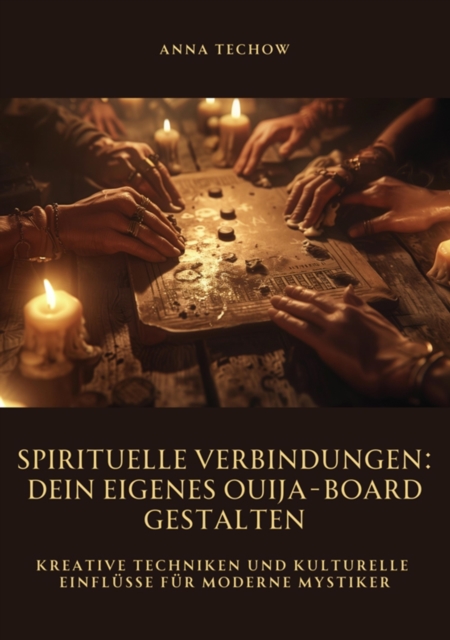
In "Spirituelle Verbindungen: Dein eigenes Ouija-Board gestalten" nimmt dich Anna Techow mit auf eine inspirierende Reise, die Kreativität und Esoterik auf faszinierende Weise verbindet.
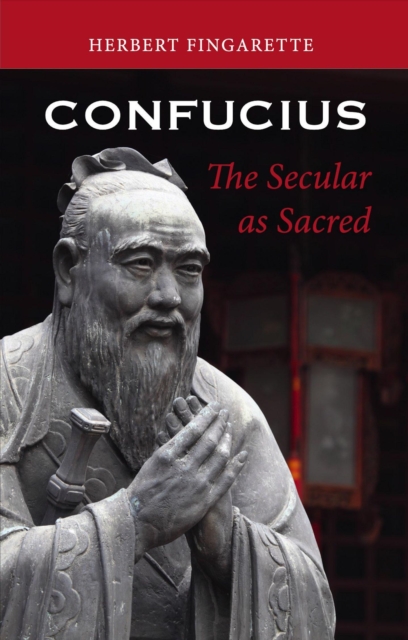
The Analects - Confucius - The Analects meaning "e;Selected Sayings"e;), also known as the Analects of Confucius, the Sayings of Confucius, or the Lun Yu, is an ancient Chinese book composed of a large collection of sayings and ideas attributed to the Chinese philosopher Confucius and his contemporaries, traditionally believed to have been compiled and written by Confucius's followers.
Tauchen Sie ein in die faszinierende Welt der Bonsai-Kunst und entdecken Sie die Weisheit, die in den kleinen, perfekt geformten Bäumen verborgen liegt.
The Analects of Confucius is a compendium of lively banter and engaging exchanges between Confucius and his contemporaries, one that touches upon culture, fashion, arts, and society, making fun of celebrities and political figures of the day with juicy quotes from bestselling books as well as popular lyrics from the most widely-circulated songs, all of which, unfortunately, is lost on the modern reader — lost in translations that, out of good scholarly intention, seek to faithfully preserve historical reference.
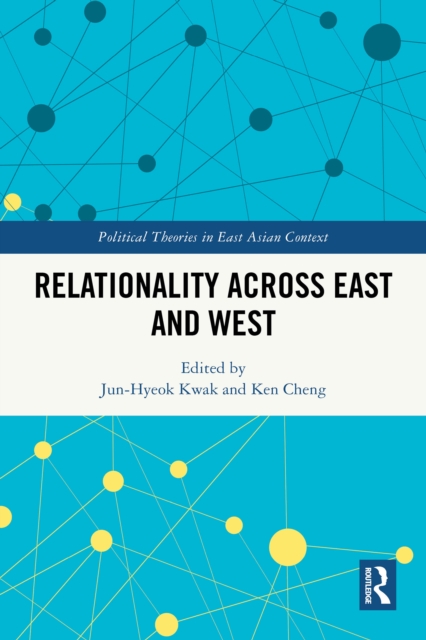
This book explores how the concept of 'relationality' can offer a strong basis for cross-cultural dialogue between Western and non-Western traditions of moral and political philosophy.
This volume aims to account for the tremendous changes in the attitudes towards the world and towards themselves that can be seen in the works of Chinese writers in the early centuries of the Christian era.
This book explores how the concept of 'relationality' can offer a strong basis for cross-cultural dialogue between Western and non-Western traditions of moral and political philosophy.