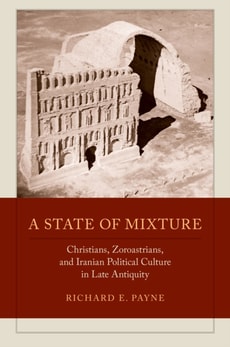
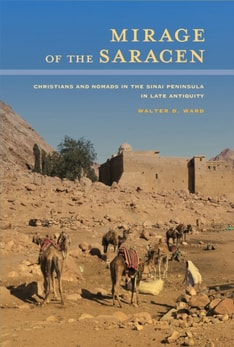
A look at the developing conflicts in Christian-Muslim relations during late antiquity and the early Islamic eraHow did the medieval Middle East transform from a majority-Christian world to a majority-Muslim world, and what role did violence play in this process?
Popular speaker and New York Times bestselling author of Woman Evolve, Sarah Jakes Roberts shows women they are not disqualified by their pain and failures and offers encouragement and strength to believe God's best is still possible.
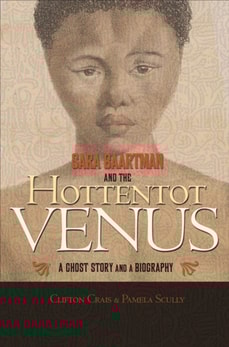
Displayed on European stages from 1810 to 1815 as the Hottentot Venus, Sara Baartman was one of the most famous women of her day, and also one of the least known.
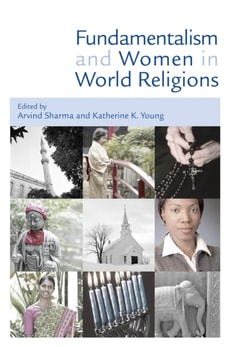
This collection of essays by internationally renowned women scholars both contests the notion of fundamentalism and attempts to find places where it might convege with women's roles in the various world's religions.
Dieses eBook: "Bergkristall (Der heilige Abend)" ist mit einem detaillierten und dynamischen Inhaltsverzeichnis versehen und wurde sorgfältig korrekturgelesen.
How the idea of the author was born in the battleground of genderWhen Sappho sang her songs, the only word that existed to describe a poet was a male oneaoidos, or ';singer-man.
The notion of ';happily ever after' has been ingrained in many of us since childhoodmeet someone, date, have the big white wedding, and enjoy your well-deserved future.
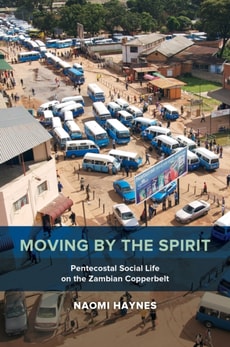
Drawing on two years of ethnographic research,Naomi Haynesexplores Pentecostal Christianity in the kind of community where it often flourishes: a densely populated neighborhood in the heart of an extraction economy.
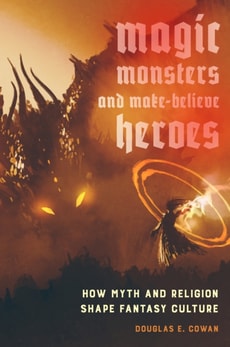
Magic, Monsters, and Make-Believe Heroes looks at fantasy film, television, and participative culture as evidence of our ongoing need for a mythic visionfor stories larger than ourselves into which we write ourselves and through which we can become the heroes of our own story.
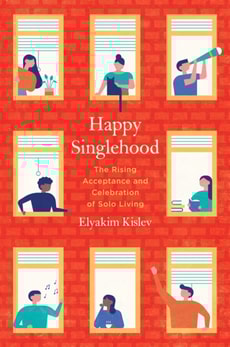
Happy Singlehood charts a way forward for singles to live life on their terms, and shows how everyonesingle or coupledcan benefit from accepting solo living.
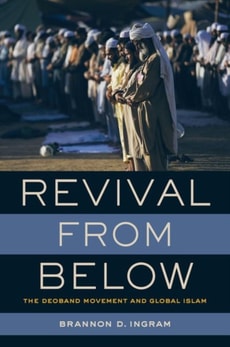
The Deoband movementa revivalist movement within Sunni Islam that quickly spread from colonial India to Pakistan, Afghanistan, Bangladesh, and even the United Kingdom and South Africahas been poorly understood and sometimes feared.
Learning Love from a Tiger explores the vibrancy and variety of humans' sacred encounters with the natural world, gathering a range of stories culled from Christian, Muslim, Hindu, Mayan, Himalayan, Buddhist, and Chinese shamanic traditions.
Christian communities flourished during late antiquity in a Zoroastrian political system, known as the Iranian Empire, that integrated culturally and geographically disparate territories from Arabia to Afghanistan into its institutions and networks.
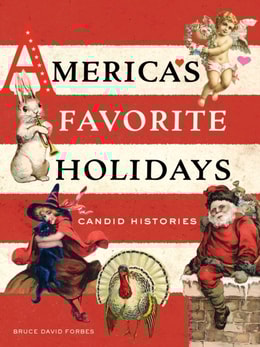
America's Favorite Holidays explores how five of America's culturally important holidaysChristmas, Valentine's Day, Easter, Halloween, and Thanksgivingcame to be what they are today, seasonal and religious celebrations heavily influenced by modern popular culture.
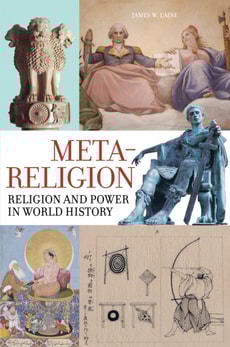
Whereas many textbooks treat the subject of world religions in an apolitical way, as if each religion were a path for individuals seeking wisdom and not a discourse intimately connected with the exercise of power, James W.
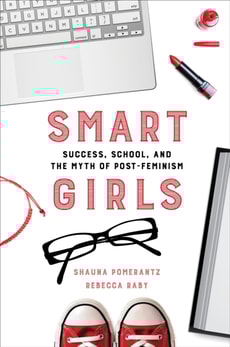
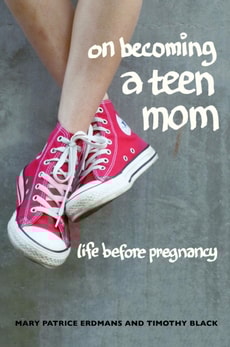
In 2013, New York City launched a public education campaign with posters of frowning or crying children saying such things as "e;I'm twice as likely not to graduate high school because you had me as a teen"e; and "e;Honestly, Mom, chances are he won't stay with you.
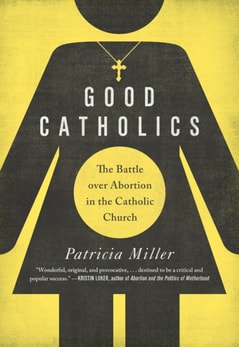
Good Catholics tells the story of the remarkable individuals who have engaged in a nearly fifty-year struggle to assert the moral legitimacy of a pro-choice position in the Catholic Church, as well as the concurrent efforts of the Catholic hierarchy to suppress abortion dissent and to translate Catholic doctrine on sexuality into law.
Yoga classes and Zen meditation, New-Age retreats and nature mysticism-all are part of an ongoing religious experimentation that has surprisingly deep roots in American history.