This book is based on the 1967 Jordan Lectures in Comparative Religion and discusses the Biblical concept of human dominion and the Qur'anic doctrine of Adam as caliph.
First delivered in 1974 as one of the Jordan Lectures in Comparative Religion, this book considers and compares traditional or pre-modern and post-traditional or post-modern religions.
This book, based upon a Jordan Lecture in Comparative Religion of 1959, traces the development of mystical thought during the formative periods of the Hindu and Muslim traditions.
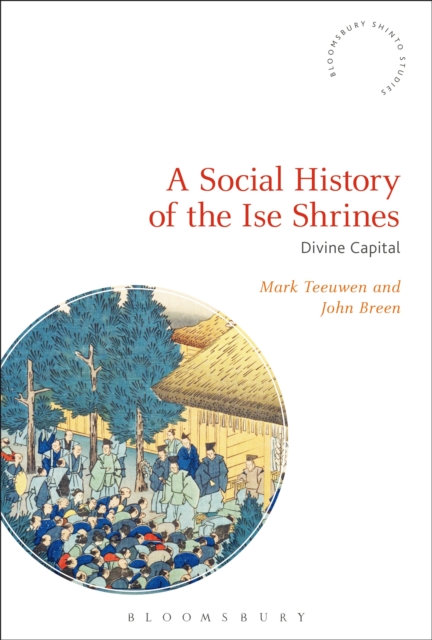
The Ise shrine complex is among Japan's most enduring national symbols, and A Social History of the Ise Shrines: Divine Capital is the first book to trace the history of the shrines from their beginnings in the seventh century until the present day.
The Ise shrine complex is among Japan's most enduring national symbols, and A Social History of the Ise Shrines: Divine Capital is the first book to trace the history of the shrines from their beginnings in the seventh century until the present day.
Death, Ritual and Belief, now in its third edition, explores many important issues related to death and dying, from a religious studies perspective, including anthropology and sociology.
Death, Ritual and Belief, now in its third edition, explores many important issues related to death and dying, from a religious studies perspective, including anthropology and sociology.
From recent sex abuse scandals in the Roman Catholic Church, to arguments about faith schools and religious indoctrination, this volume considers the interconnection between the actual lives of children and the position of children as placeholders for the future.
From recent sex abuse scandals in the Roman Catholic Church, to arguments about faith schools and religious indoctrination, this volume considers the interconnection between the actual lives of children and the position of children as placeholders for the future.
Judaism, Christianity and Islam: An Introduction to Monotheism shows how a shared monotheistic legacy frames and helps explain the commonalities and disagreements among Judaism, Christianity and Islam and their significant denominations in the world today.
Judaism, Christianity and Islam: An Introduction to Monotheism shows how a shared monotheistic legacy frames and helps explain the commonalities and disagreements among Judaism, Christianity and Islam and their significant denominations in the world today.
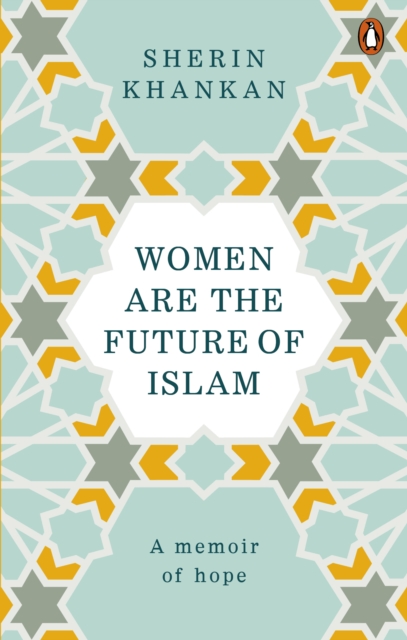
'We will change things from within' Sherin Khankan is a pioneer, founding the first mosque for women in Europe and leading the way for a more progressive form of Islam.
Unearth Timeless Wisdom for Todays ChallengesIn a world overwhelmed by modern complexities, the search for clarity and purpose becomes ever more crucial.
Shared ritual practices, multi-faith celebrations, and interreligious prayers are becoming increasingly common in the USA and Europe as more people experience religious diversity first hand.
Shared ritual practices, multi-faith celebrations, and interreligious prayers are becoming increasingly common in the USA and Europe as more people experience religious diversity first hand.
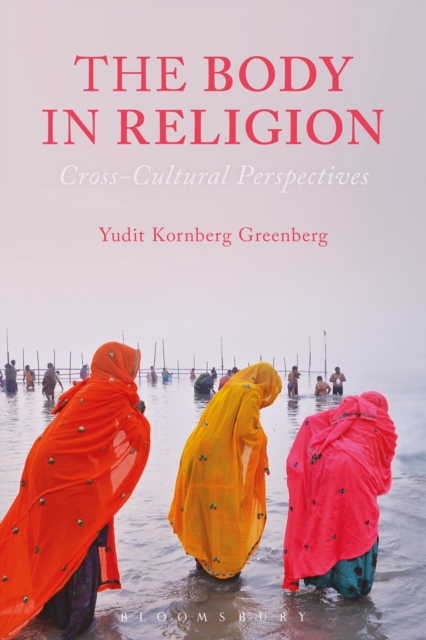
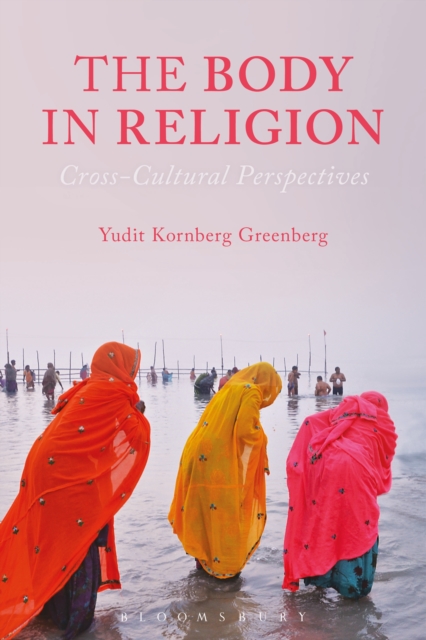
The Body in Religion: Cross-Cultural Perspectives surveys influential ways in which the body is imagined and deployed in religious practices and beliefs across the globe.
The Body in Religion: Cross-Cultural Perspectives surveys influential ways in which the body is imagined and deployed in religious practices and beliefs across the globe.
Contemplative experience is central to Hindu yoga traditions, Buddhist meditation practices, and Catholic mystical theology, and, despite doctrinal differences, it expresses itself in suggestively similar meditative landmarks in each of these three meditative systems.
Contemplative experience is central to Hindu yoga traditions, Buddhist meditation practices, and Catholic mystical theology, and, despite doctrinal differences, it expresses itself in suggestively similar meditative landmarks in each of these three meditative systems.
Religious freedom is so often presented as a timeless American ideal and an inalienable right, appearing fully formed at the founding of the United States.
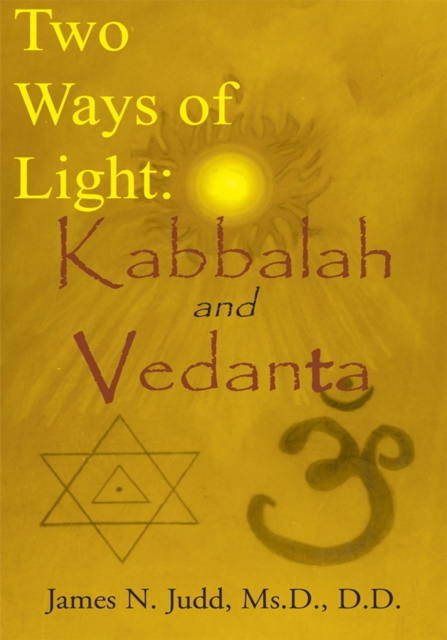
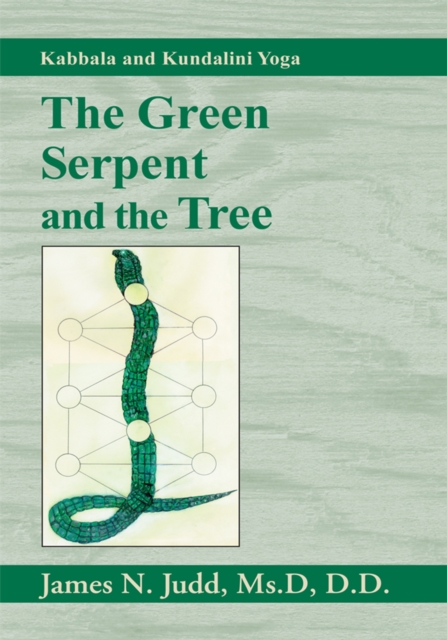
There is an unique relationship that exists between the Jewish mystical teachings of Kabbalah and the highest spiritual philosophy of the Hindus, the Vedanta.
At the beginning of this new millennium there is an increasing tension between the doctrines of both orthodox Christianity and Judaism, and the changing beliefs of modern society.