Judaism, Sufism, and the Pietists of Medieval Egypt addresses the extraordinary rise and inner life of the Egyptian pietist movement in the first half of the thirteenth century.
This book is an examination of natural law doctrine, rooted in the classical writings of our respective three traditions: Jewish, Christian, and Islamic.
This book is an examination of natural law doctrine, rooted in the classical writings of our respective three traditions: Jewish, Christian, and Islamic.
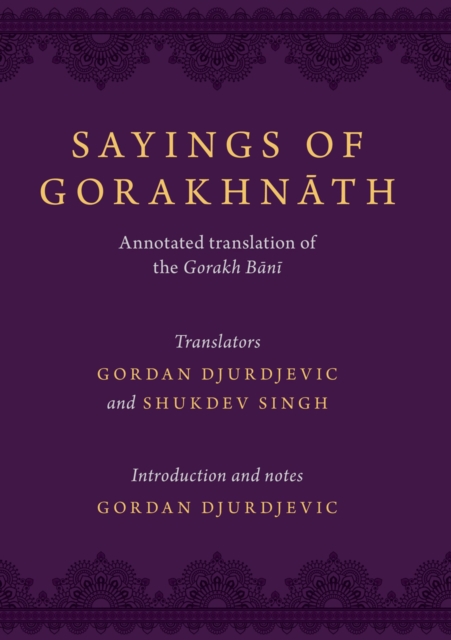
Sayings of Gorakhnath presents a translation of late-medieval texts in Old Hindi, traditionally attributed to one of the founders of the Order of Nath Yogis.
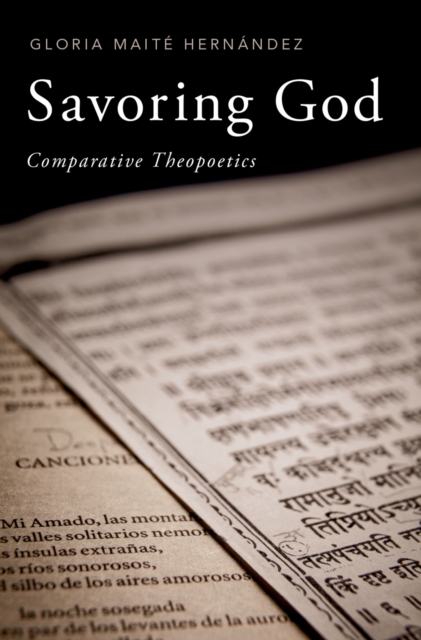
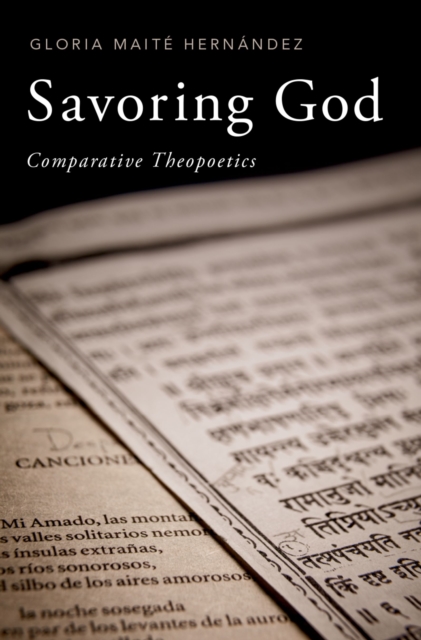
Savoring God is a comparative study that examines the creative interaction of poetry and theology in two mystical poems central to the Christian and the Hindu traditions, the sixteenth-century Spanish Cantico espiritual (Spiritual Canticle), by Saint John of the Cross, and the Sanskrit Rasa Lila (Dance of Love), which originated in the oral tradition.
Savoring God is a comparative study that examines the creative interaction of poetry and theology in two mystical poems central to the Christian and the Hindu traditions, the sixteenth-century Spanish Cantico espiritual (Spiritual Canticle), by Saint John of the Cross, and the Sanskrit Rasa Lila (Dance of Love), which originated in the oral tradition.
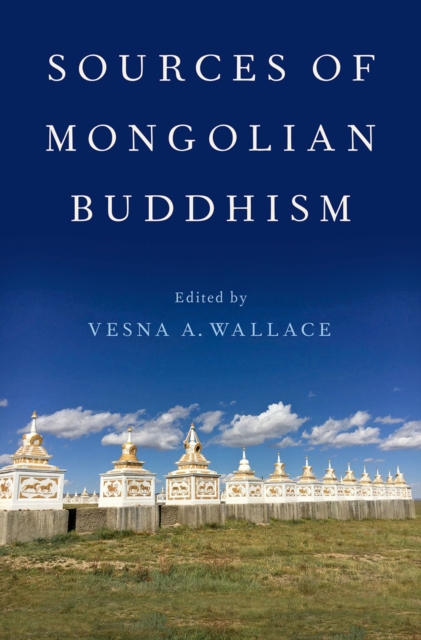
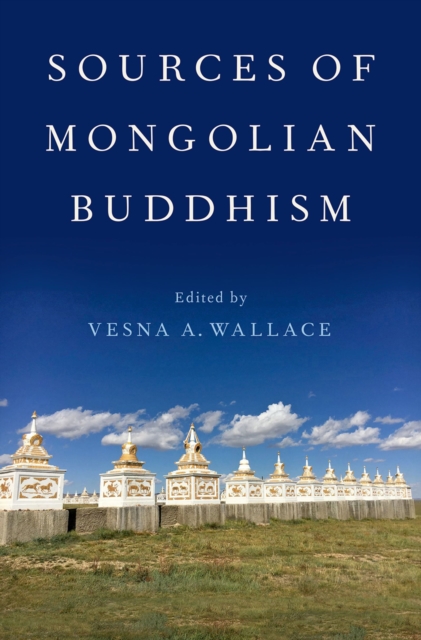
Despite Mongolia's centrality to East Asian history and culture, Mongols themselves have often been seen as passive subjects on the edge of the Qing formation or as obedient followers of so-called "e;Tibetan Buddhism,"e; peripheral to major literary, religious, and political developments.
Despite Mongolia's centrality to East Asian history and culture, Mongols themselves have often been seen as passive subjects on the edge of the Qing formation or as obedient followers of so-called "e;Tibetan Buddhism,"e; peripheral to major literary, religious, and political developments.
Something Old, Something New: Contemporary Entanglements of Religion and Secularity offers a fresh perspective on debates surrounding religious and secular thinking.
Something Old, Something New: Contemporary Entanglements of Religion and Secularity offers a fresh perspective on debates surrounding religious and secular thinking.
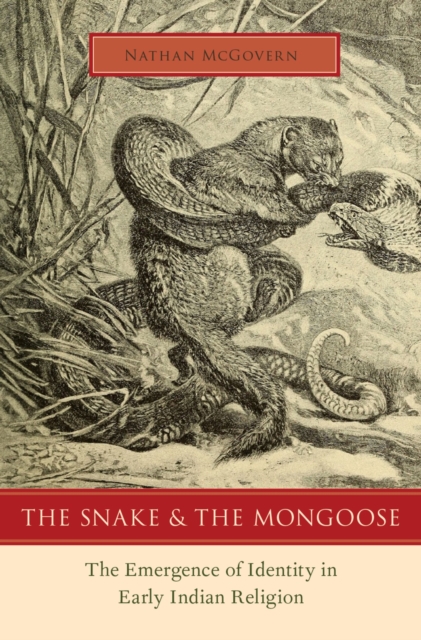
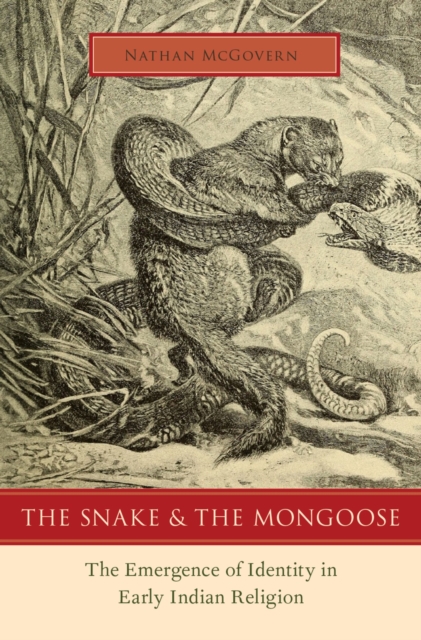
Since the beginning of modern Indology in the 19th century, the relationship between the early Indian religions of Buddhism, Jainism, and Hinduism has been predicated on a perceived dichotomy between two meta-historical identities: "e;the Brahmans"e; (purveyors of the ancient Vedic texts and associated ritual system) and the newer "e;non-Brahmanical"e; sramana movements from which the Buddhists and Jains emerged.
Since the beginning of modern Indology in the 19th century, the relationship between the early Indian religions of Buddhism, Jainism, and Hinduism has been predicated on a perceived dichotomy between two meta-historical identities: "e;the Brahmans"e; (purveyors of the ancient Vedic texts and associated ritual system) and the newer "e;non-Brahmanical"e; sramana movements from which the Buddhists and Jains emerged.
Through in-depth analysis of musical theatre choreography and choreographers, Making Broadway Dance challenges long-held perceptions of Broadway dance as kitsch, disposable, a dance form created without artistic process.
Through in-depth analysis of musical theatre choreography and choreographers, Making Broadway Dance challenges long-held perceptions of Broadway dance as kitsch, disposable, a dance form created without artistic process.
Distinguished scholar of Japanese religions and culture Helen Hardacre offers the first comprehensive history of Shinto, the ancient and vibrant tradition whose colorful rituals are still practiced today.
Distinguished scholar of Japanese religions and culture Helen Hardacre offers the first comprehensive history of Shinto, the ancient and vibrant tradition whose colorful rituals are still practiced today.
The cognitive science of religion has shown that abstract religious concepts within many established religious traditions often fail to correspond to the beliefs of the vast majority of those religions' adherents.
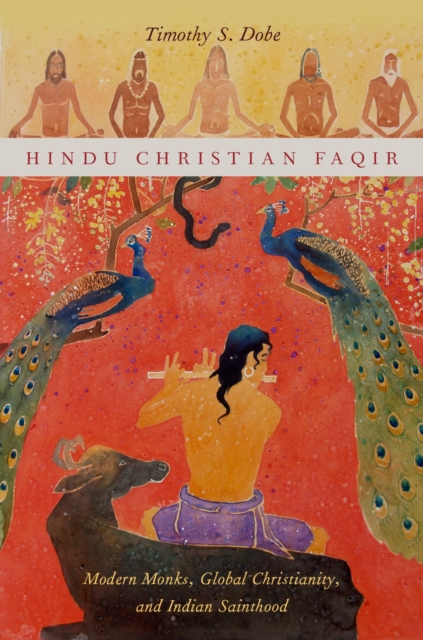
In the mid-nineteenth century, the American missionary James Butler predicted that Christian conversion and British law together would eradicate Indian ascetics.
The cognitive science of religion has shown that abstract religious concepts within many established religious traditions often fail to correspond to the beliefs of the vast majority of those religions' adherents.
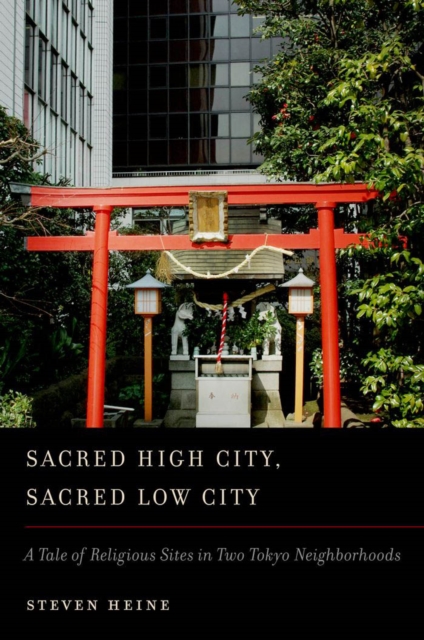
In Sacred High City, Sacred Low City, Steven Heine argues that lived religion in Japan functions as an integral part of daily life; any apparent lack of interest masks a fundamental commitment to participating regularly in diverse, though diffused, religious practices.
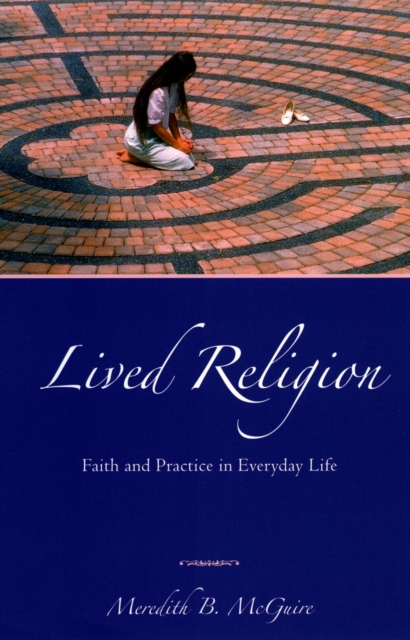
How can we grasp the complex religious lives of individuals such as Peter, an ordained Protestant minister who has little attachment to any church but centers his highly committed religious practice on peace-and-justice activism?