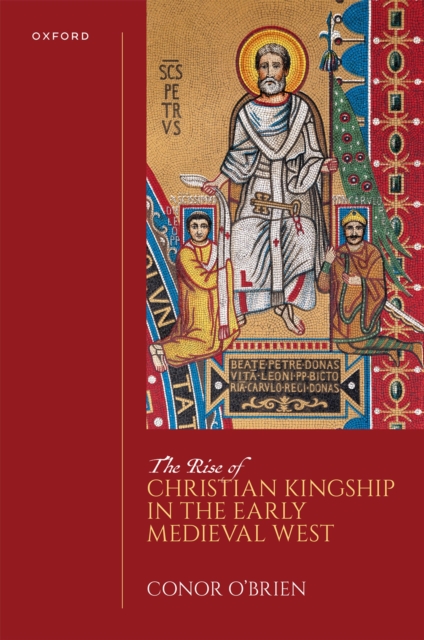
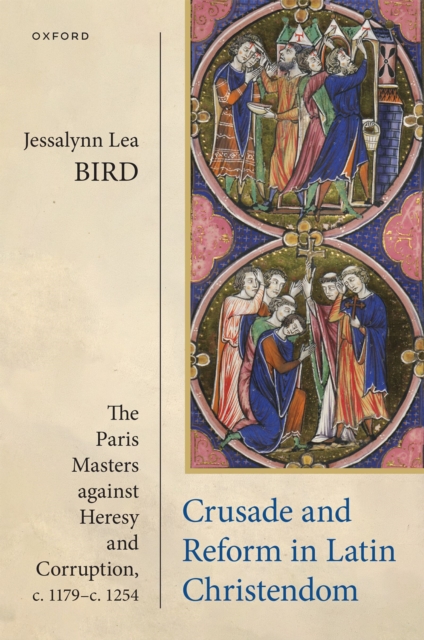
Convinced that crusade expeditions were failing 'because of our sins', Paris-trained reformers targeted 'corrupt' clergy and 'loose women' (meretrices) in campaigns against prostitution, clerical marriage and concubinage, and lay fornication.
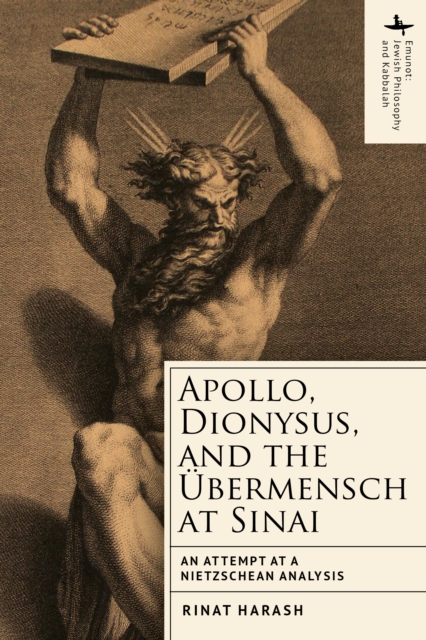
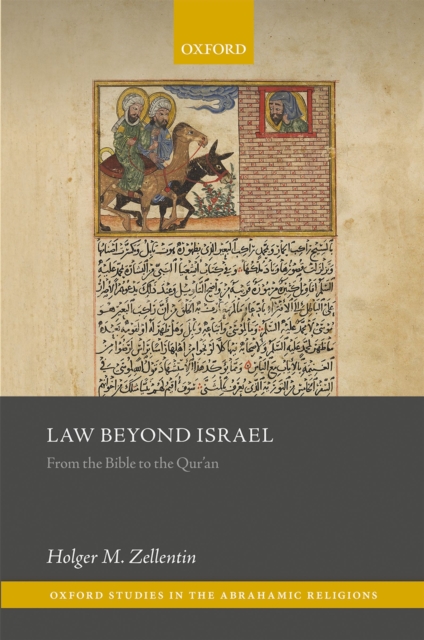
The biblical account of the events at Sinai and the figure of Moses is a foundational narrative of both Jewish and Western civilization, yet it has traditionally been analyzed only within a religious framework.
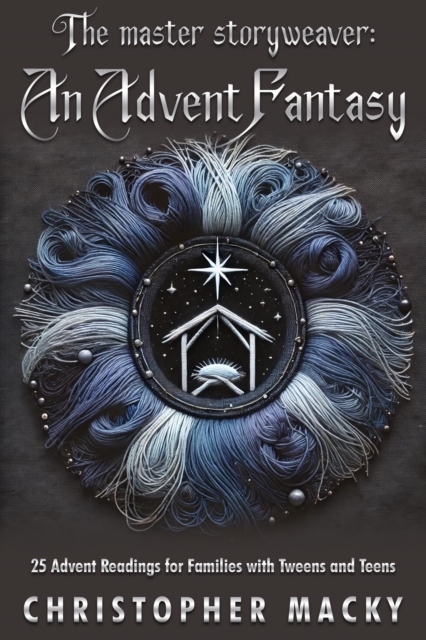
The Master Storyweaver: An Advent Fantasy reignites the imagination of tweens and teens by reimagining the Advent narrative of Scripture as a fantasy novel.
Spiritual Warfare Against the Spirit of Delay: How to Confront and Defeat the Spirit Holding Back Your Life, Recover Lost Time, and Accelerate Your DestinyYour Destiny Is Under Attack—Are You Ready to Fight Back?
Very Short Introductions: Brilliant, Sharp, Inspiring Since its beginnings during the Protestant Reformation, Calvinism has spread throughout Europe and America and eventually to Africa and Asia.
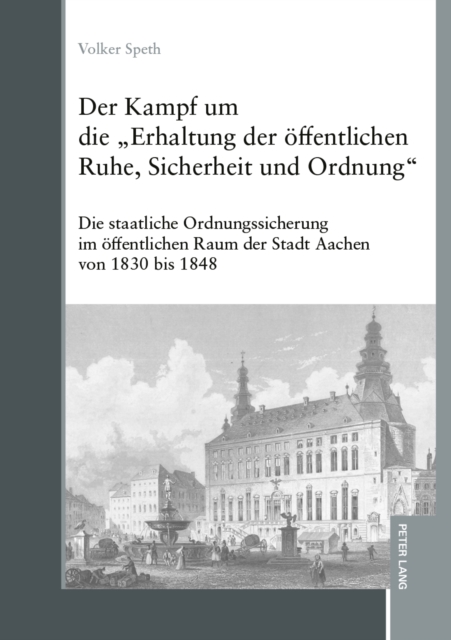
Diese historische Lokalstudie untersucht, mit welchen Exekutivorganen (Polizei, Militar, Burgerwehr), auf welcher Rechtsgrundlage, mit welchen Methoden, mit welchem Erfolg und mit welchen Opfern der preuische Staat in der Zeit von 1830 bis zum Fruhjahr des Revolutionsjahres 1848 versuchte, seine Herrschaft uber den offentlichen Raum der Stadt Aachen angesichts drohender oder bereits ausgebrochener Unruhen, Krawalle, Tumulte, Ausschreitungen und dergleichen zu sichern bzw.
Given the theological significance of the state of Israel for many evangelicals worldwide, the existence of a population of Palestinian evangelicals seems counterintuitive at first.
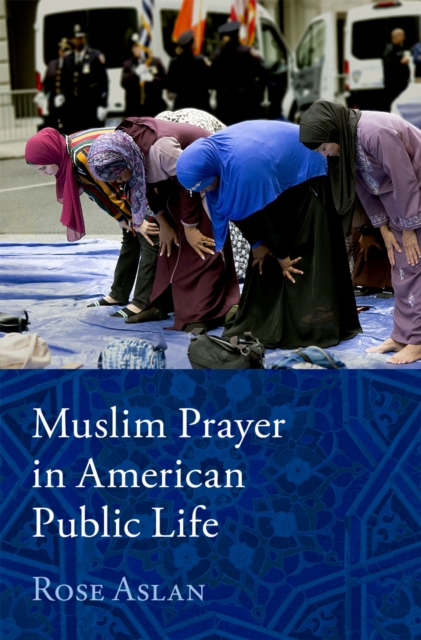
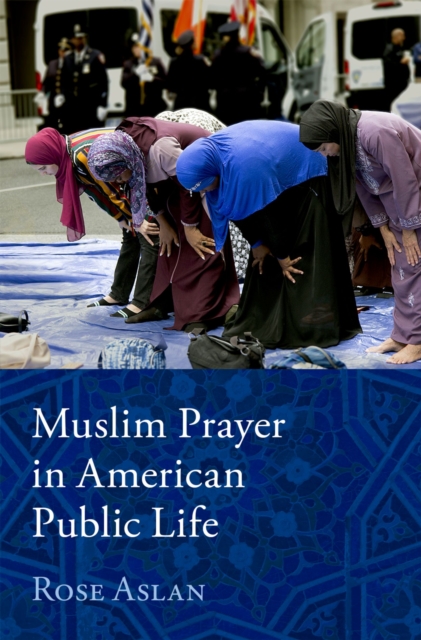
Observant Muslims strive to fulfill the pillars of Islam, which include praying five times a day, preceded by a cleansing ritual and followed by physical prostrations facing Mecca.
Observant Muslims strive to fulfill the pillars of Islam, which include praying five times a day, preceded by a cleansing ritual and followed by physical prostrations facing Mecca.
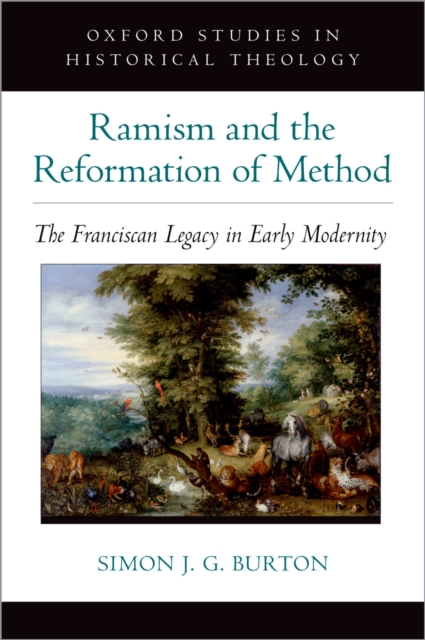
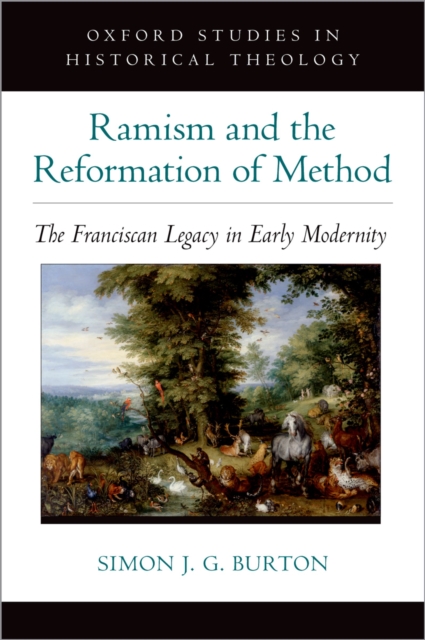
Ramism and the Reformation of Method offers a fresh exploration of the philosophical and theological presuppositions of the early modern movement of Ramism.
Given the theological significance of the state of Israel for many evangelicals worldwide, the existence of a population of Palestinian evangelicals seems counterintuitive at first.
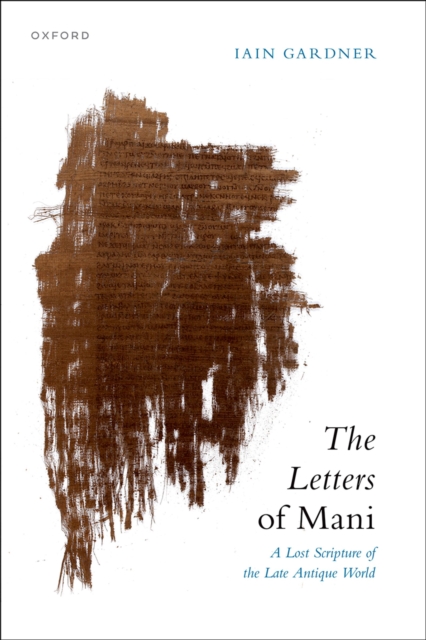
Mani or Manichaios was a major religious figure in early Sasanian Mesopotamia (third century CE) renowned as a healer, a visionary, an artist, and a public sage.
Ramism and the Reformation of Method offers a fresh exploration of the philosophical and theological presuppositions of the early modern movement of Ramism.
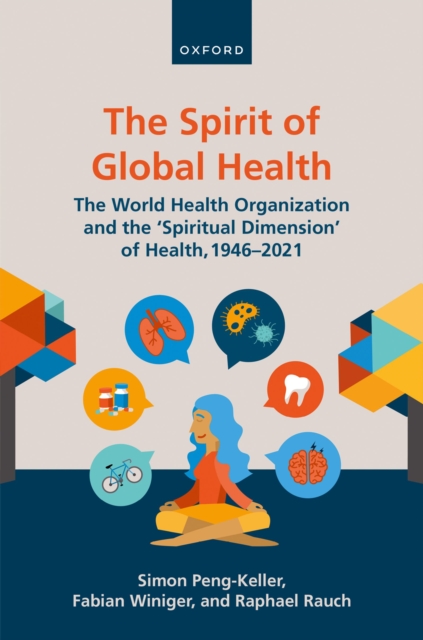
Since the beginning of the World Health Organization, many of its staff members, regional offices, member states, and directors-general have grappled with the question of what a 'spiritual dimension' of health looks like, and how it might enrich the health policies advocated by their organisations.
Convinced that crusade expeditions were failing 'because of our sins', Paris-trained reformers targeted 'corrupt' clergy and 'loose women' (meretrices) in campaigns against prostitution, clerical marriage and concubinage, and lay fornication.
A 'musical and moving' (Washington Post) meditation on the colour blue and its role in Black history and cultureThroughout history, the concept of Blackness has been remarkably intertwined with another color: blue.