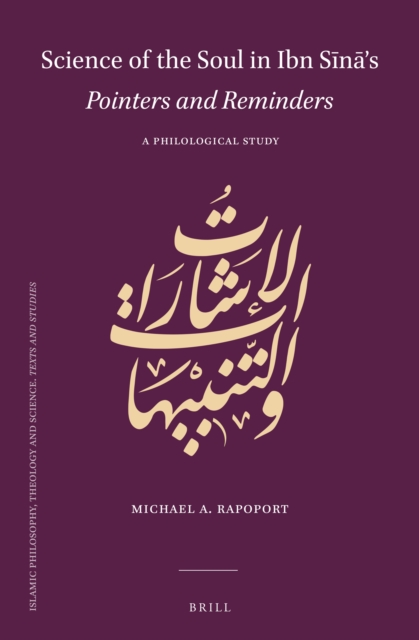
The book approaches the conceptual background of Avicenna's account of efficient causality, outlining the positions held by him and his early interpreters (eleventh and twelfth centuries), as well as the arguments that support those positions.
In early Islamic philosophy, poetry was regarded as a means to transmit the eternal truths of philosophy to the masses and to move them to virtuous conduct by the use of poetical syllogisms.
In the history of Islam, royal courts and other centers of wordly power played a major role in the survival and development of the sciences and the arts.
In medieval Persia, the munshi or court secretary belonged to a highly professional, privileged class, enjoying a comfortable income and attractive living conditions.
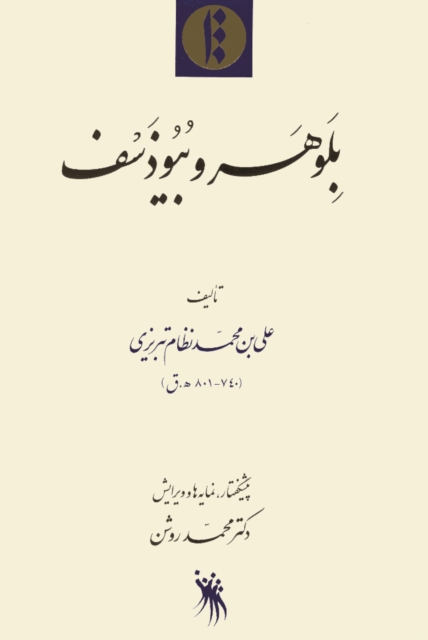
Bilawhar and Budhasaf are the main characters of an ancient Arabic work called Bilawhar wa-Budhasaf, a text whose core narrative derived from the biography of Gautama Buddha, the founder of Buddhism.