This book explores the aporias of liberal democracy, freedom, care, and justice--with the seemingly at-odds ideas of neoliberal fascism, racism, sexism, and other forms of violence.
In the series of essays collected in this book, Eleonore Stump offers reflections that illustrate the nature and importance of learning from the Christian heritage in its development over the ages of the Christian tradition and its continued development in interaction with contemporary philosophy, theology, and science.
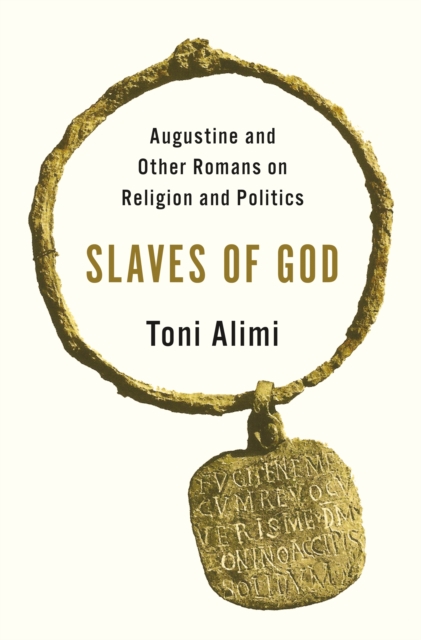
A provocative look at the central role of slavery in Augustine's religious, ethical, and political thoughtAugustine believed that slavery is permissible, but to understand why, we must situate him in his late antique Roman intellectual context.
'Jesús y John Wayne' es una amplia historia revisionista de los últimos setenta y cinco años del evangelismo blanco que revela cómo los evangélicos han trabajado para sustituir al Jesús de los Evangelios por un ídolo de la masculinidad ruda y el nacionalismo cristiano, o en palabras de un capellán moderno, por "un malote espiritual".
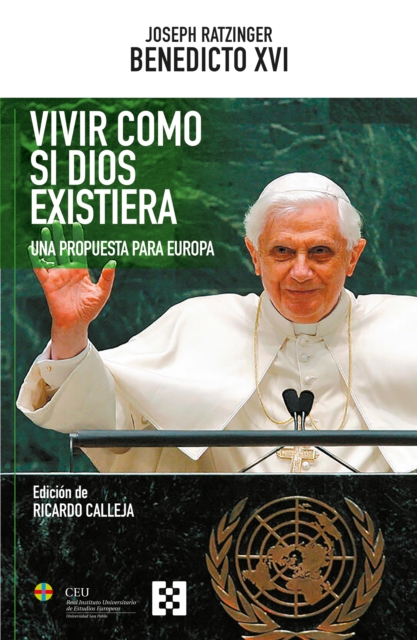
«Este libro reúne textos de Joseph Ratzinger/Benedicto XVI en torno a un hilo conductor: su gran apuesta —a los creyentes y a los no creyentes— de vivir y organizar nuestra convivencia 'como si Dios existiera'.
The Warburg Institute, founded in the 1920s in Hamburg by art and cultural historian Aby Warburg, is a pioneering institution that has greatly shaped the fields of art, myth, religion, medicine, philosophy, and intellectual history.
Global environmental destruction, growing inequality, and the persistent poverty afflicting the majority of humans on the planet challenge Christian theorists, theologians, and ethicists in their pursuit of an ethical vision that is both environmentally sustainable and just for all of creation.
Global environmental destruction, growing inequality, and the persistent poverty afflicting the majority of humans on the planet challenge Christian theorists, theologians, and ethicists in their pursuit of an ethical vision that is both environmentally sustainable and just for all of creation.
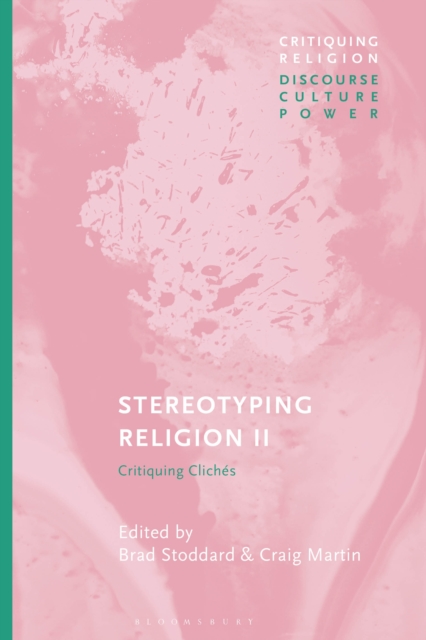
Building on the success of Stereotyping Religion: Critiquing Clich s, this follow up volume dismantles a further 10 widespread stereotypes and clich s about religion, focusing on clich s that a new generation of students are most familiar with.
Dieses Buch bietet eine vergleichende und historische Analyse des Totalitarismus und geht der Frage nach, warum Spanien während der Inquisition totalitär wurde, Frankreich aber nicht; und warum Deutschland im vergangenen Jahrhundert totalitär wurde, Schweden aber nicht.
This book focuses on the written heritage of Muslims in the Philippines, the historical constitution of chancelleries within the Islamic sultanates, and the production of official letters to conduct local and international diplomacy.
Humanity: Texts and Contexts is a record of the 2007 Singapore "e;Building Bridges"e; seminar, an annual dialogue between Muslim and Christian scholars cosponsored by Georgetown University and the Archbishop of Canterbury.
Science and Religion is a record of the 2009 Building Bridges seminar, a dialogue between leading Christian and Muslim scholars convened annually by the Archbishop of Canterbury.
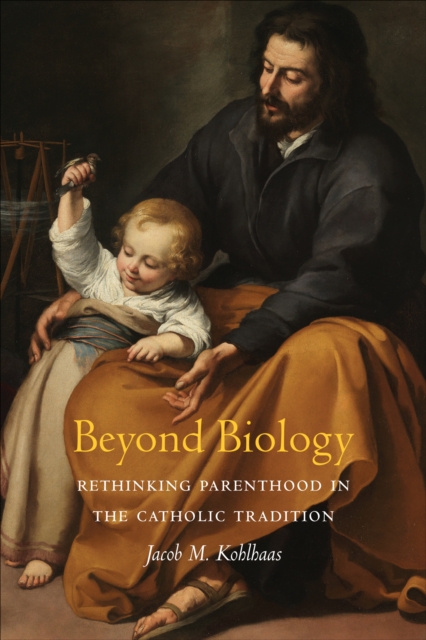
A breakthrough in the theology of parenthood, integrating Catholic social thought and social scientific studies of child well-being in order to offer a more diverse and inclusive interpretation
The Catholic Church has a long and diverse history of tolerating various child-rearing arrangements.
Including contributions from twenty-two leading moral theologians, this volume is the most thorough assessment of modern Roman Catholic social teaching available.
In Radical Arab Nationalism and Political Islam, Lahouari Addi attempts to assess the history and political legacy of radical Arab nationalism to show that it contained the seeds of its own destruction.
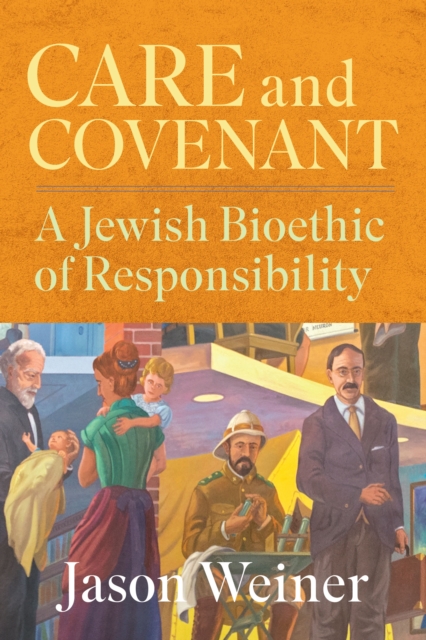
A bioethic of obligations and responsibilities, based on the Jewish tradition
The Jewish tradition has important perspectives, history, and wisdom that can contribute significantly to crucial contemporary healthcare deliberations.
Christian ethics has addressed moral agency and culture from the start, and Christian social ethics increasingly acknowledges the power of social structures.