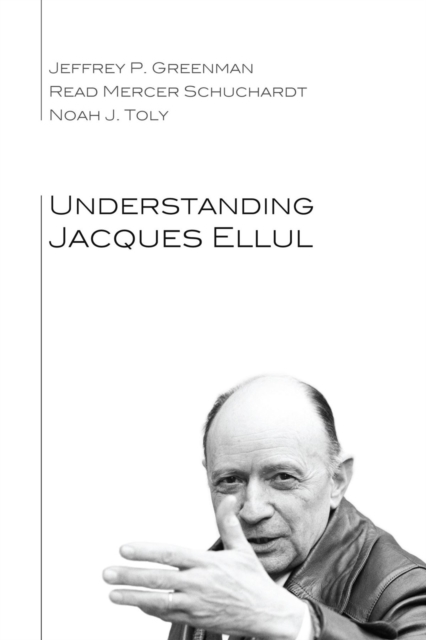
Jacques Ellul (1912-1994) was one of the world's last great polymaths and one of the most important Christian thinkers of his time, engaging the world with a simplicity, sincerity, courage, and passion that few have matched.
This book contains fifteen essays originally presented at a conference on evangelical Christianity and global peacemaking held at Georgetown University in September 2012, together with a critical analysis of the collection by the editor, David P.
This book explores how Christian spirituality and the political ethic of Christianity's founder, Jesus of Nazareth, might contribute to the most looming emergency of our day--ending human misery while reducing the planet's woes.
Hermeneutical Theology and the Imperative of Public Ethics is a groundbreaking attempt to present constructive missional theology in an integrative and interdisciplinary framework as it provocatively utilizes and contextualizes Reformation theology and hermeneutics concerning ethical theology embedded within the wider horizon of World Christianity.
Breath of Fresh Air: Biblical Storytelling with Prisoners challenges the behemoth of mass incarceration through the convergence of biblical storytelling pedagogy, restorative justice principles, and peacemaking circle structure.
John Howard Yoder is most famous for arguing in The Politics of Jesus that a sound reading of the New Testament demonstrates the abiding relevance of Jesus to social ethics.
In a world where armed conflict, repression, and authoritarian rule are too frequent, human rights and peace-building present key concepts and agendas for the global and local struggle for peace and development.
In this volume, Richard Hiers challenges the popular assumption that the Bible has a low view of women and that biblical law either ignores women or requires them to be subject and subservient to men.
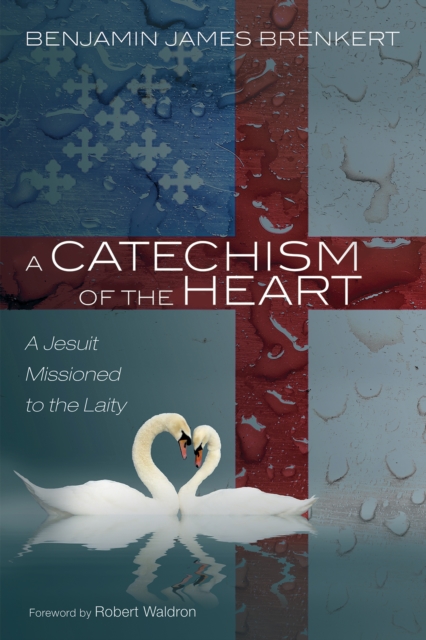
At the age of twenty-five, Benjamin James Brenkert--a young man from Long Island, a social work student, and an internet vocation to the priesthood--entered one of the historically boldest, influential, apostolic religious orders of the Roman Catholic Church.
From pornographic videos of rape and incest to sexual predators around every corner; from online challenges teaching children how to commit suicide to resources teaching them how to conjure up demons; from social media trends praising abortion to completely redefining what it means to be human; these are the monsters in the closet which children and teenagers are being exposed to.
If prophets are called to unveil and expose the illegitimacy of those principalities masquerading as "e;the right"e; and purportedly using their powers for "e;the good,"e; then Will D.
Telling in current biblical postcolonial discourse that draws insights from the works of Aime Cesaire, Frantz Fanon, and postcolonial theorists is the missing contribution of Leopold Sedar Senghor, the architect of Negritude.
Two trends in the early twenty-first-century intersect to give this volume immediate relevance: 1) The emerging postmodern ethos in North America is calling into question many things we have taken for granted, including the purposes of the church; and 2) our time is increasingly fractious as groups with distinct worldviews become polarized and often antagonistic.
Can religious individuals and communities learn from each other in ways that will lead them to collaborate in addressing the great ethical challenges of our time, including climate change and endless warfare?