This book reveals how the Russian Orthodox Church (ROC) has systematically transformed religious messaging into a strategic tool of warfare, supporting Russian military objectives while undermining Ukrainian resistance.
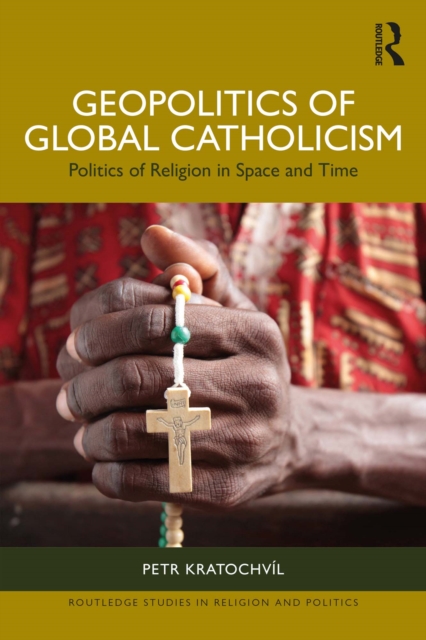
Geopolitics of Global Catholicism uncovers the key trends in today's Catholicism, providing an incisive analysis of its deep entanglement with national, regional, as well as global politics.
This book explores the relationship between Mohandas Karamchand Gandhi and the Rashtriya Swayamsevak Sangh (RSS) and discusses their relevance in India's history and socio-political discourse.
This book explores the relationship between Mohandas Karamchand Gandhi and the Rashtriya Swayamsevak Sangh (RSS) and discusses their relevance in India's history and socio-political discourse.
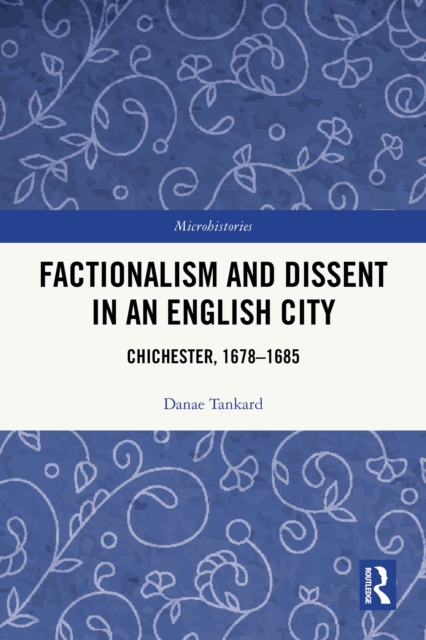
This book is about the political and religious controversies that beset the small English city of Chichester between 1678 and 1685, which intersected with wider political turbulence at the heart of government and in the nation at large.
This book is about the political and religious controversies that beset the small English city of Chichester between 1678 and 1685, which intersected with wider political turbulence at the heart of government and in the nation at large.
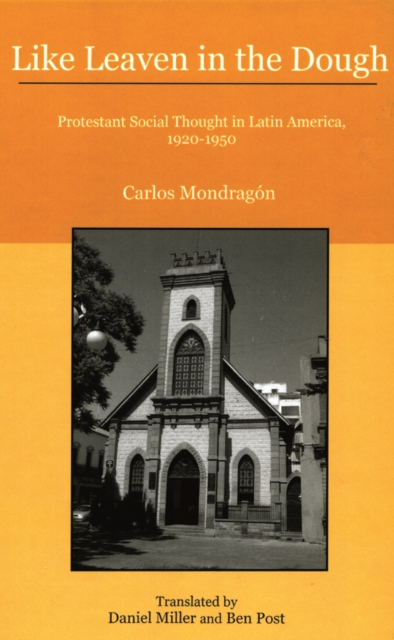
In Like Leaven in the Dough: Protestant Social Thought in Latin America, 1920-1950, Carlos Mondragon offers an introduction to the ideas of notable Protestant writers in Latin America during the first half of the twentieth century.
Paul Harvey uses four characters that are important symbols of religious expression in the American South to survey major themes of religion, race, and southern history.
Geopolitics of Global Catholicism uncovers the key trends in today's Catholicism, providing an incisive analysis of its deep entanglement with national, regional, as well as global politics.
This book offers the first major analysis of William Wilberforce's clerical networks, demonstrating that while a devoted Anglican, he was deeply intertwined with evangelicals of various ecclesiastical traditions.
Freud, the Contemporary Super-ego, and Western Morality traces the origins of the relationship between the morality of the super-ego and the destructive impulse of the death drive in the liberal democracies of the 21st century.
In Like Leaven in the Dough: Protestant Social Thought in Latin America, 1920-1950, Carlos Mondragon offers an introduction to the ideas of notable Protestant writers in Latin America during the first half of the twentieth century.
Freud, the Contemporary Super-ego, and Western Morality traces the origins of the relationship between the morality of the super-ego and the destructive impulse of the death drive in the liberal democracies of the 21st century.
Paul Harvey uses four characters that are important symbols of religious expression in the American South to survey major themes of religion, race, and southern history.
This book offers the first major analysis of William Wilberforce's clerical networks, demonstrating that while a devoted Anglican, he was deeply intertwined with evangelicals of various ecclesiastical traditions.
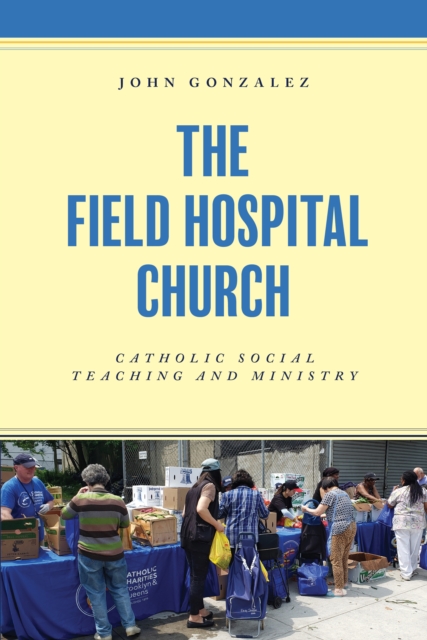
"e;I see clearly,"e; Pope Francis said at the outset of his papacy, "e;that the thing the church needs most today is the ability to heal wounds and to warm the hearts of the faithful; it needs nearness, proximity.
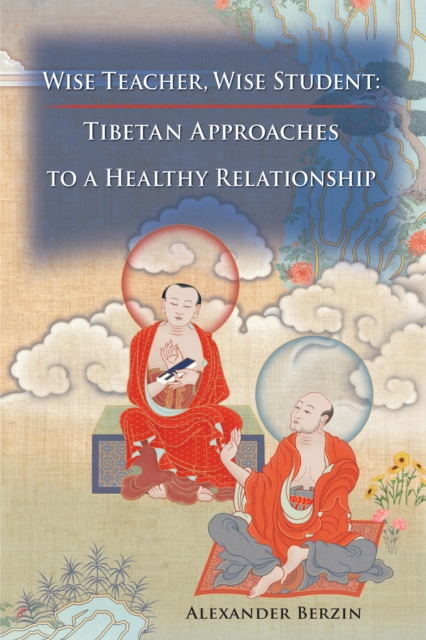
The relationship between a teacher and student can be a most rewarding and life-enhancing experience, yet it can also be fraught with problems and misunderstandings.
How Methodist settlers in the American West acted as agents of empire In the early years of American independence, Methodism emerged as the new republic's fastest growing religious movement and its largest voluntary association.
The relationship between a teacher and student can be a most rewarding and life-enhancing experience, yet it can also be fraught with problems and misunderstandings.
Holy War, Just War explores the 'dark side' in Christianity, Islam, and Judaism by examining how the concept of ultimate value contributes to religious violence.
This book uses the discourse of religious liberty, often expressed as one favoring a separation between church and state, to explore racial differences during an era of American empire building (1750-1900).
This anthology consists of fourteen topically arranged essays that explore a form of humanism characterized by epistemic humility, a progressive ethical orientation, as well as a respect for the positive features of religion.
How Methodist settlers in the American West acted as agents of empire In the early years of American independence, Methodism emerged as the new republic's fastest growing religious movement and its largest voluntary association.
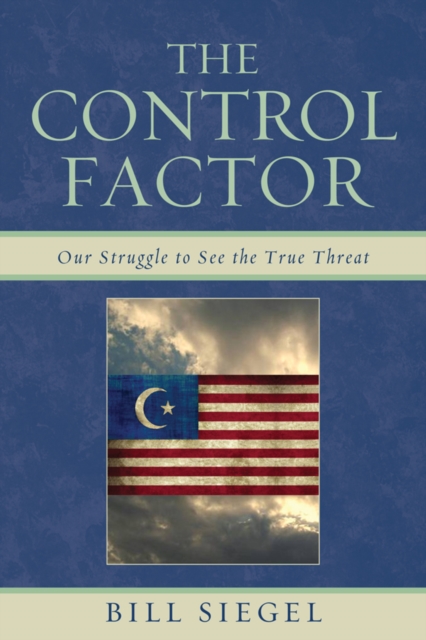
For those who believe America is worth defending, The Control Factor explores the psychological maneuvers, fantasies, and entanglements we engage in to avoid clearly seeing the Islamic threat that confronts us.
Inspired by the Catholic intellectual tradition, these essays are the fruit of a series of seminars sponsored by the Center for Catholic Studies and the Saint Paul Seminary School of Divinity at the University of St.
In the first anthology of its kind, Thomas O'Brien and Scott Paeth have gathered unique pieces from across religious perspectives to illustrate the growing influence and contribution of religion to the field of business ethics.
In the first anthology of its kind, Thomas O'Brien and Scott Paeth have gathered unique pieces from across religious perspectives to illustrate the growing influence and contribution of religion to the field of business ethics.