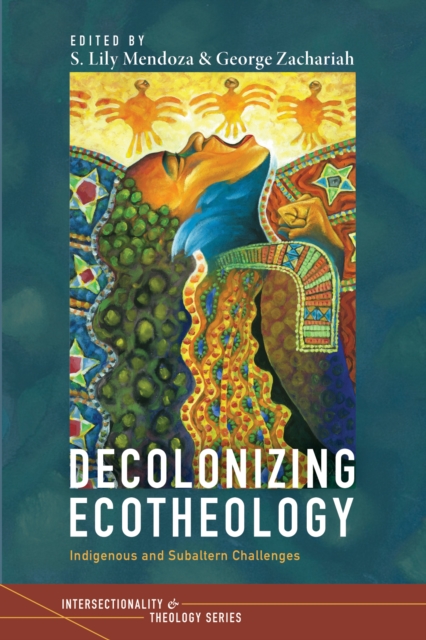
Decolonizing Ecotheology: Indigenous and Subaltern Challenges is a pioneering attempt to contest the politics of conquest, commodification, and homogenization in mainstream ecotheology, informed by the voices of Indigenous and subaltern communities from around the world.
Growing in our ability to have a conscious awareness of God's presence with us in the midst of our busy and over-stimulated world is a key to our spiritual health and emotional well-being.
At first glance, it may seem as though the Bible is populated with the stories of faithful men, courageous men, or nefarious men, men who were either enemies or friends of God.
A womanist church has great power to transform church and society, primarily because womanist theology centers the experiences of Black women while working for the survival and wholeness of all people and all creation.
At the age of twenty-five, Benjamin James Brenkert--a young man from Long Island, a social work student, and an internet vocation to the priesthood--entered one of the historically boldest, influential, apostolic religious orders of the Roman Catholic Church.
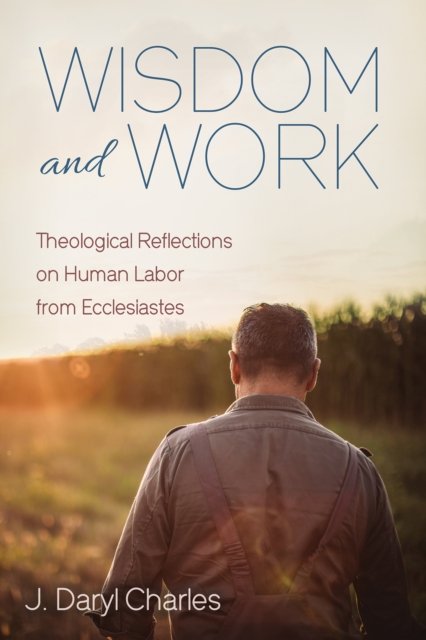
With over thirty thousand occupations currently in existence, workers today face a bewildering array of careers from which to choose, and upon which to center their lives.
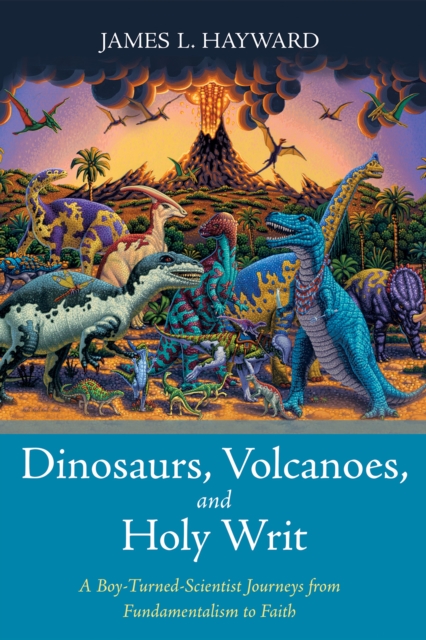
The problem of animal suffering is the atheistic argument that an all-knowing, all-powerful, and all-good God would not use millions of years of animal suffering, disease, and death to form a planet for human beings.
Though the Christian church has a well-developed theology of Godward-facing remorse about sin, it has paid little attention to the interpersonal implications of the remorse that people feel when they wrong one another.
Classical orthodoxy, the Reformational understanding of the gospel, and the Great Awakening beliefs and behaviors, including missions/missiology, reflect what the evangelical movement and its mission should be if it is to have a future.
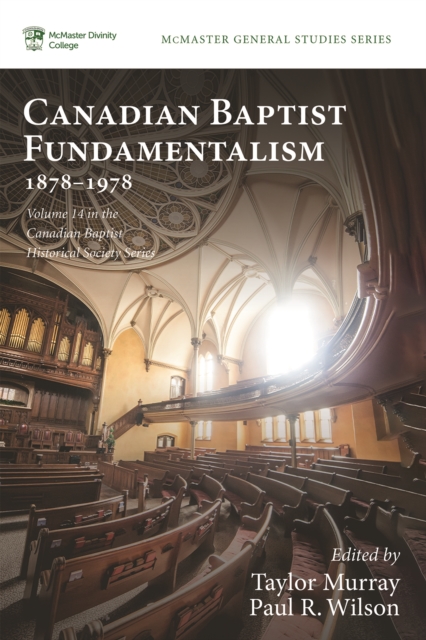
As the first single-volume work to present a national picture of Baptist engagement with the fundamentalist movement in Canada in the late nineteenth and twentieth centuries, Canadian Baptist Fundamentalism fills an important gap in the historiography.
Have you ever wondered how the Lord sustained Martin Luther through one of the most personally and spiritually intense times in the history of Christendom?
God, Evolution & Science: How Our World Evolved from God presents a new approach for linking God, energy, and our material world in an evolutionary way.
The post-Christendom era in the English-speaking world has seen a significant reduction in access to political power by the churches, a slow loss of their social and cultural influence, and a shredding of their moral standing from abuse scandals and other public failings.
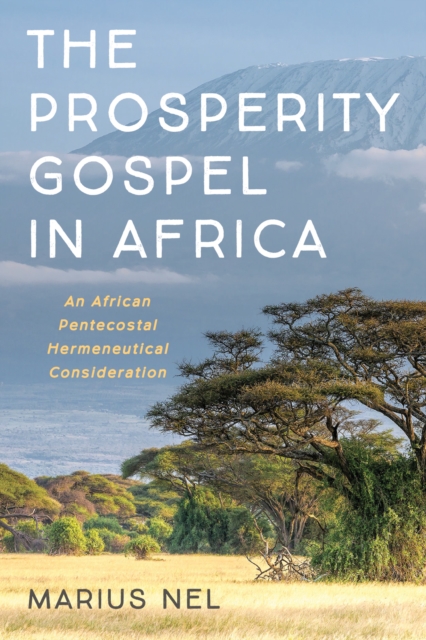
Africans' prevailing interest in the prosperity gospel is not only connected to the influence of American prosperity teachers reaching a worldwide audience through their imaginative use of the media, but is also related to the African worldview and African traditional religion, and its lasting influence on contemporary Africans and the way they think about prosperity, as well as their interest in prosperity in post-colonial Africa.
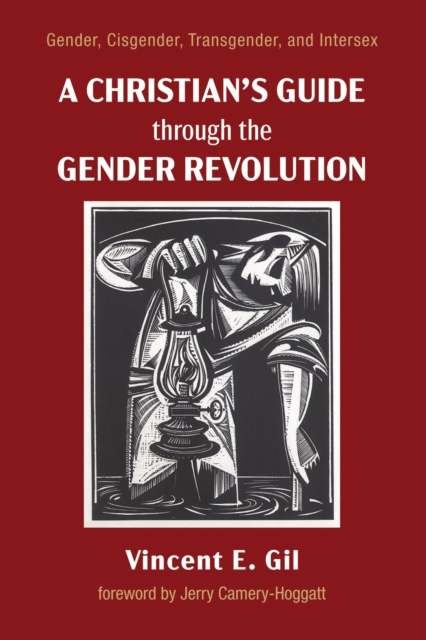
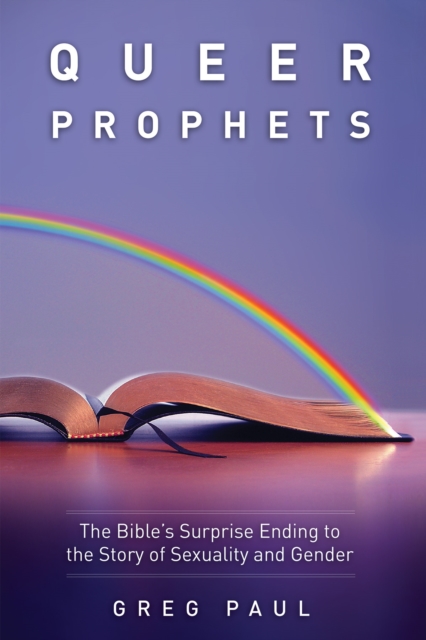
This is the story of a spiritual journey, a theological quest to find better biblical answers (ones that work in real life) to the challenging questions that plague many of us surrounding gender and sexual identity.
To the astonishment and dismay of Anglican leadership in the Global North, Nigeria's Archbishop Peter Akinola led the Global South's revolt against the campaign to normalize homosexuality within the global Anglican communion.