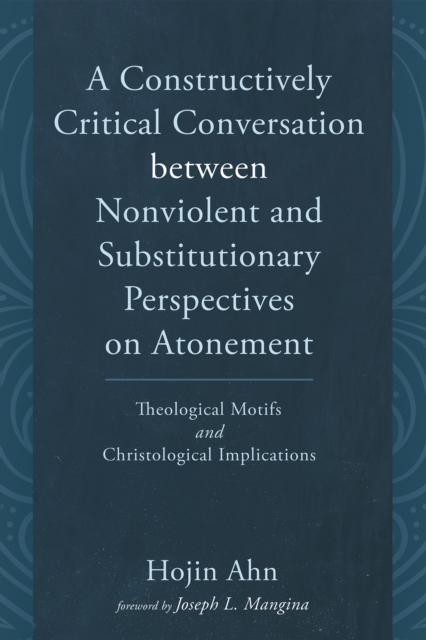
In the contemporary theological world, traditional substitutionary accounts of Christ's atoning work have increasingly come under criticism for what is said to be their propensity for encouraging violence by a variety of theologians such as feminists, pacifists, and Girardians.
Christians often feel they are faced with a choice: "e;Either I compromise my commitment to biblical authority, or I embrace male authority over women, as the Bible teaches.
Four (and a half) Dialogues on Homosexuality and the Bible explores four different interpretive approaches to biblical texts regarding homosexuality and same-sex marriage.
In this well-researched and ethical study, Vee Chandler combines insight gathered from the writings of scholars and Christian philosophers with personal observations and biblical perspectives to examine the nature and value of forgiveness and help those struggling with the concepts of repentance, forgiveness, and reconciliation.
The aim of this book is to explore the possibilities and limits of Comenius's greatest and most important work, General Consultation Concerning Restoration of Human Affairs.
The COVID-19 era will be remembered not only for the tragic global public health crisis, but also for the continued police violence against persons of color, the courageous activism that continues to rise up to confront racialized violence in all its forms, and the perpetuation of white nationalist rhetoric from the highest government elected offices.
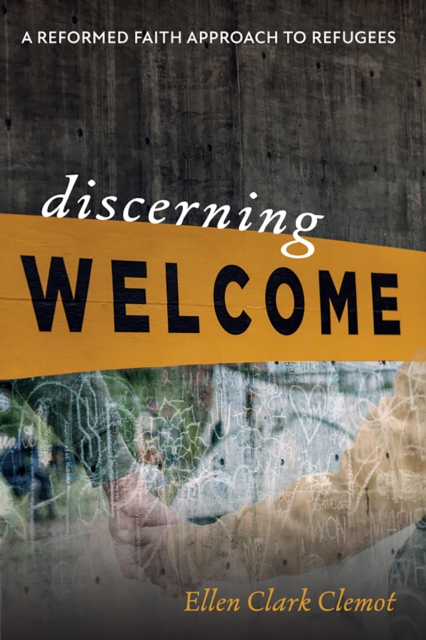
Gold Medal Winner, Illumination Award, 2023Welcoming the undocumented resident refugee into the life of the polis is a challenge for some communities and a moral imperative for others.
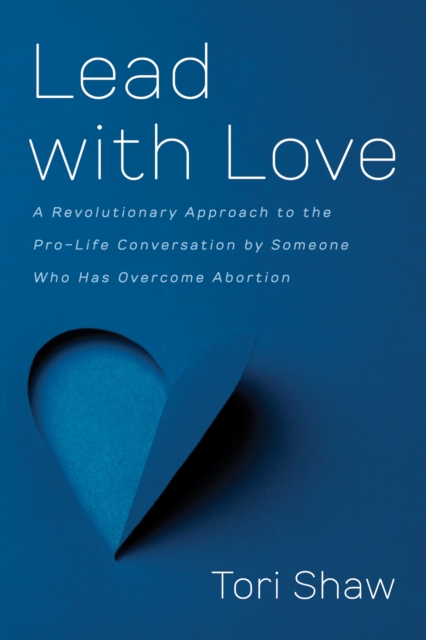
Lead with Love is designed to share respectful and loving techniques for communicating with someone who has an abortion in their past, ministering to someone considering abortion, as well as discussing the topic of abortion in general.
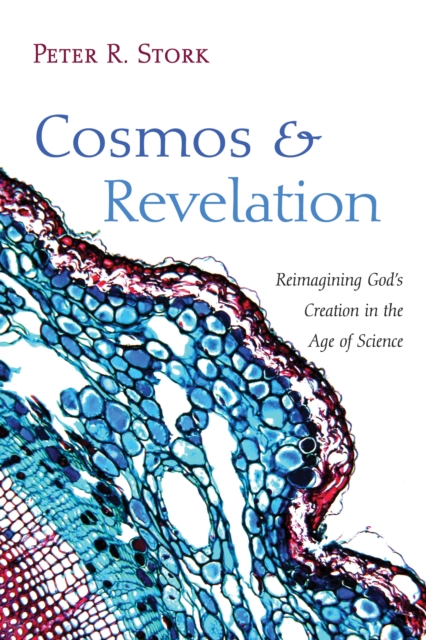
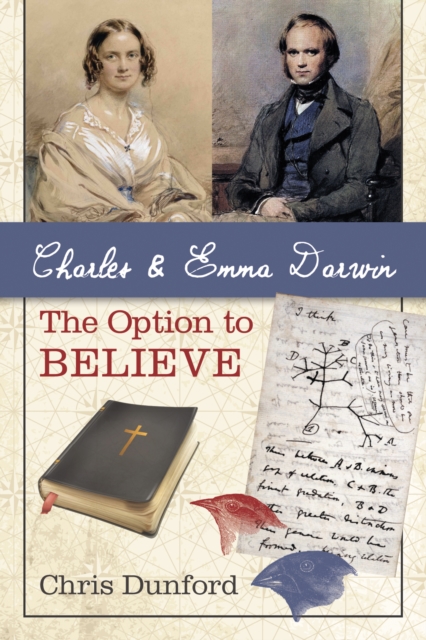
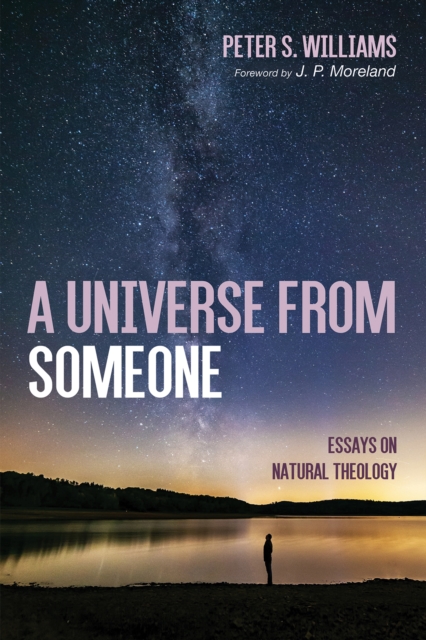
Many people look at the world through a scientific lens that seems to forbid religious conviction, but then find themselves drawn by curiosity, if not longing, to the religious worldview.
With a "e;big tent"e; understanding of bioethics, this dictionary provides definitions of 755 important terms drawn from a wide variety of contexts: medicine, nursing, behavioral health, forensic science, research ethics, public safety, social work, and epidemiology, on the one hand; bioethics, ethics, law, history, philosophy, and theology, on the other.
This is a wonderful collection of conversations from ethnically diverse contributors using the art form of writing to promote inclusion and as an antidote to structural racism.
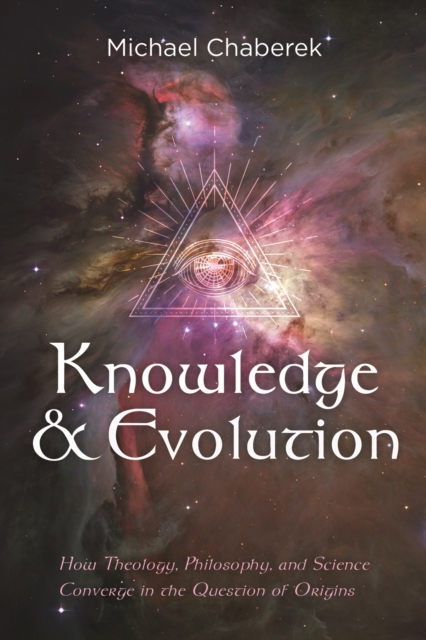
For those who think their beliefs are no longer valid, for all who wonder if there is any truth in religion, for anyone questioning why theology doesn't make sense--this is book for you.
Ethics and Advocacy considers the connections and differences between critical reflection or moral arguments or narratives and advocacy for particular issues regarding justice and moral behavior and dispositions.