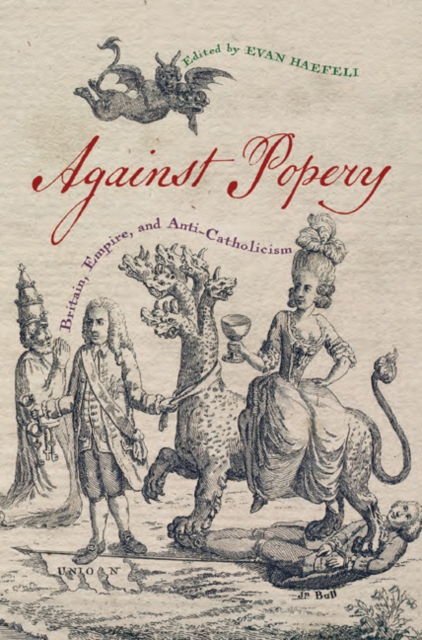
Although commonly regarded as a prejudice against Roman Catholics and their religion, anti-popery is both more complex and far more historically significant than this common conception would suggest.
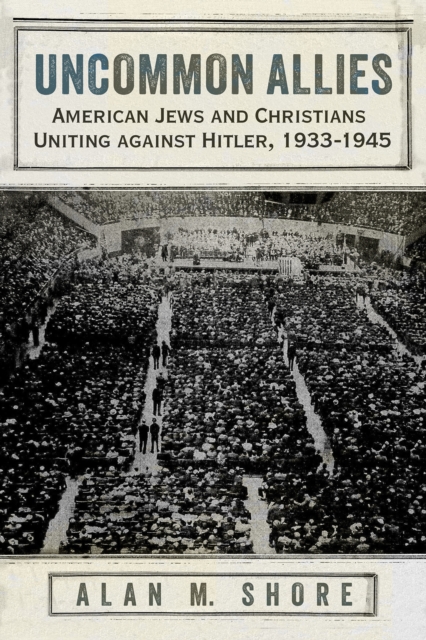
On March 27, 1933, representatives from across the American religious spectrum came to Madison Square Garden, united in a shared purpose to speak out against the rise of fascism in Germany and Adolph Hitler's seizure of power.
Rebecca Todd Peters argues for an ethic of solidarity as a new model for how people of faith in the first world can live with integrity in the midst of global injustice and shape a more just future.
Preservation and Protest proposes a novel taxonomy of four paradigms of nonhuman theological ethics by exploring the intersection of tensions between value terms and teleological terms.
The study of comparative religious ethics is at a critical juncture, given the growing awareness of non-Christian ethical beliefs and practices and their bearing on social change.
No question has been as persistently nettling as the proper relationship of Christians and the Christian church to political power, and the results have often been calamitous.
Cynthia Crysdale and Neil Ormerod here present a robust theology of God in light of supposed tensions between Christian belief and evolutionary science.
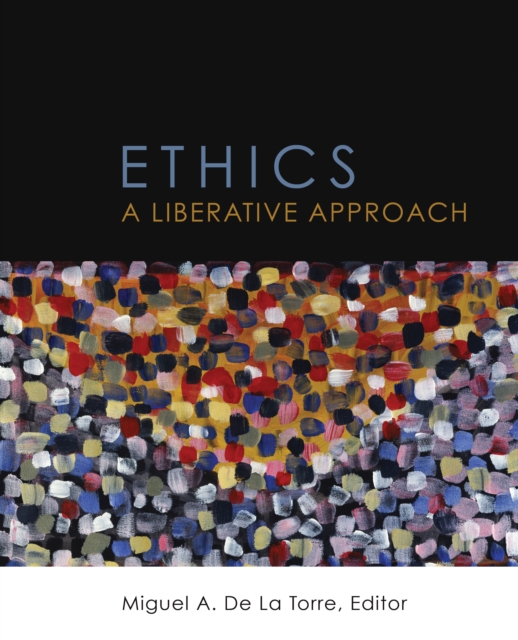
This survey text for religious ethics and theological ethics courses explores how ethical concepts defined as liberationist, which initially was a Latin American Catholic phenomenon, is presently manifest around the globe and within the United States across different racial, ethnic, and gender groups.
Sallie McFague offers a lucid and powerful guide to theological thinking about God and the world, individual and community, humanity and nature, reality and metaphor, the sacramental and the prophetic, and the critical issue of climate change for today’s world.
This book argues that Christian nonviolence is both formed by and forms ecclesial life, creating an inextricable relationship between church commitment and resistance to war.
No one can read far in the Old Testament without encountering numerous acts of violence that are sanctioned in the text and attributed to both God and humans.
This survey text for Christian ethics courses traces the sources and traditions which define the history and development of contemporary ethical principles and laws.
We the People explores John Howard Yoders account of peoplehood and develops an appreciative revision that considers the politics of Jesus in relation to the people of Israel.
This thoroughly annotated document collection gives students and researchers an authoritative source for understanding the evolving political and legal relationship between church and state from colonial times to the present day.
In Uzbekistan, Central Asia's most populous country, Islam has been an ever-present factor in the lives of its people and a contentious force for political officials trying to build a secular and authoritarian government.
Freedom of Religion protected in America for two hundred years by the Bill of Rights has become more a source of divisiveness than the binding force it used to be in American life.
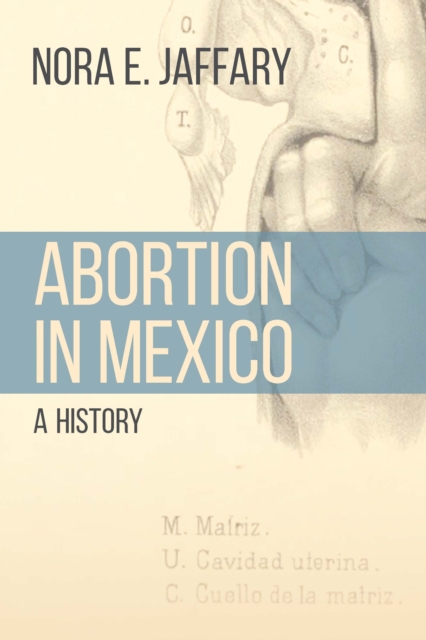
Abortion in Mexico: A History concisely examines the long history of abortion from the early postcontact period through the present day in Mexico by studying the law, criminal and ecclesiastical trials, medical texts, newspapers, and other popular publications.
Pastor of a bilingual, multicultural church for more than a decade, Gary Commins knows that "e;diversity"e; is a spiritual exercise that can be as charged with anxiety as it is laced with hope.