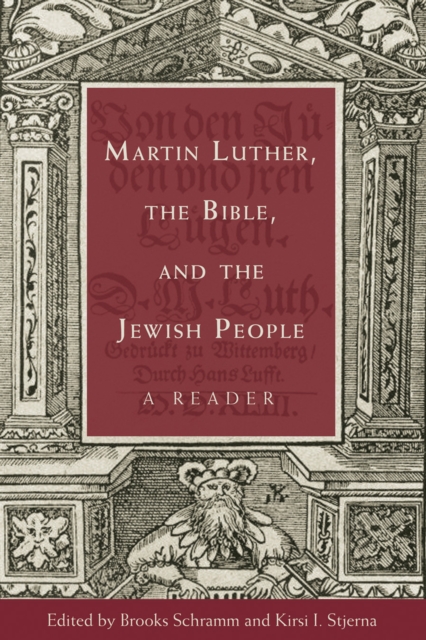
Volume 1 of The Annotated Luther series contains writings that defined the roots of reform set in motion by Martin Luther, beginning with the Ninety-Five Theses (1517) through The Freedom of a Christian (1520).
Rebecca Todd Peters argues for an ethic of solidarity as a new model for how people of faith in the first world can live with integrity in the midst of global injustice and shape a more just future.
Natural theology is a philosophical site that is hotly debated and controversialit is claimed by Roman Catholics, Protestants, and Evangelicals as a crucial vantage point for the intersection of theology, philosophy, science, and politics, while it is, simultaneously, strongly contested by some theologians, such as those influenced by Karl Barth, as well as some philosophers and scientists, especially of the new atheist variety.
Sallie McFague offers a lucid and powerful guide to theological thinking about God and the world, individual and community, humanity and nature, reality and metaphor, the sacramental and the prophetic, and the critical issue of climate change for today’s world.
Reinhold Niebuhr argued that one of the fundamental challenges to human existence is the anxiety caused by our desire to be perfect and godlike while knowing we are limited and mortal.
This survey text for religious ethics and theological ethics courses explores how ethical concepts defined as liberationist, which initially was a Latin American Catholic phenomenon, is presently manifest around the globe and within the United States across different racial, ethnic, and gender groups.
The study of comparative religious ethics is at a critical juncture, given the growing awareness of non-Christian ethical beliefs and practices and their bearing on social change.
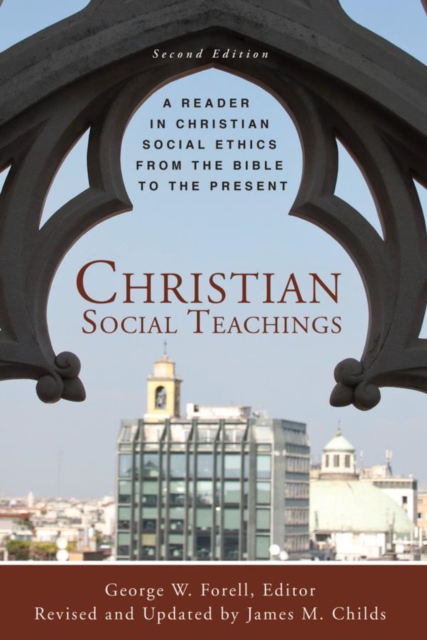
Previously published by Cengage/Wadsworth, this popular anthology for the study of Christian ethics has been a mainstay of undergraduate courses for nearly thirty years.
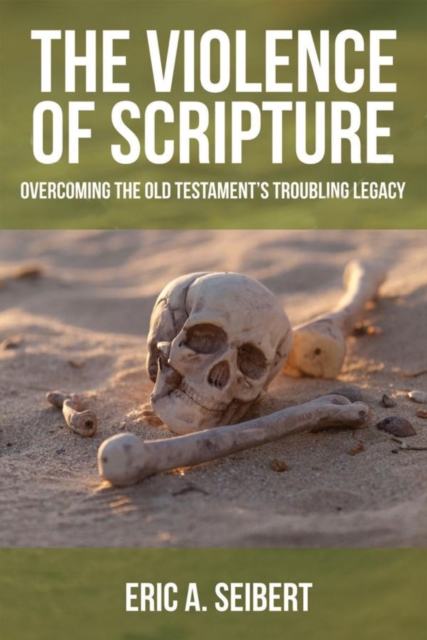
No one can read far in the Old Testament without encountering numerous acts of violence that are sanctioned in the text and attributed to both God and humans.
This survey text for Christian ethics courses traces the sources and traditions which define the history and development of contemporary ethical principles and laws.
No question has been as persistently nettling as the proper relationship of Christians and the Christian church to political power, and the results have often been calamitous.
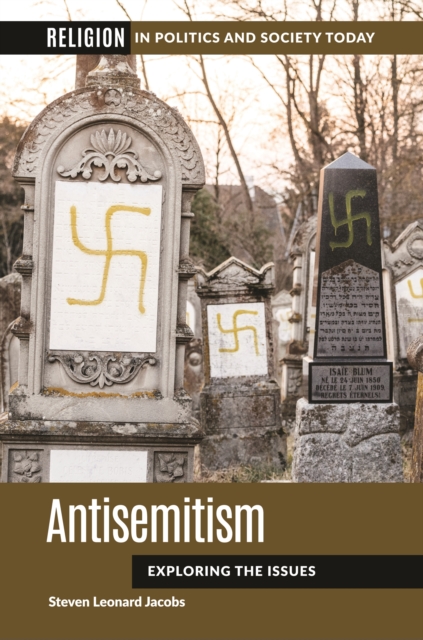
With an overview essay, timeline, reference entries, and annotated bibliography, this resource is a concise, one-stop reference on antisemitism in today's society.
"e;Few are agnostic about atheism and agnosticism; this eloquent, wide-ranging volume should appeal to many, as well as supporting recent academic interest in its subject.
This title undertakes an impartial, authoritative, and in-depth examination of the moral arguments and ideas behind the laws and policies that govern personal, corporate, and government behavior in the United States.
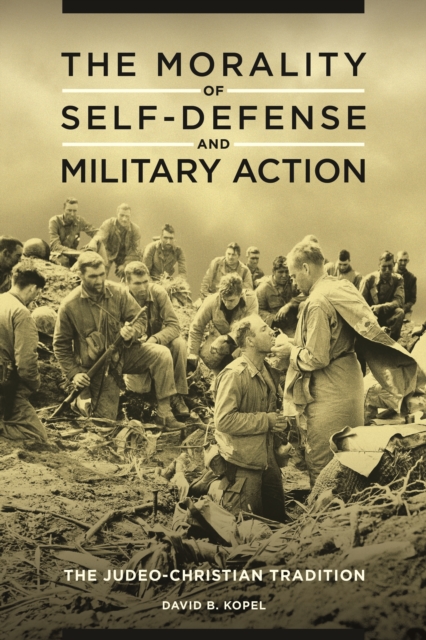
Shedding new light on a controversial and intriguing issue, this book will reshape the debate on how the Judeo-Christian tradition views the morality of personal and national self-defense.
From their formulation in the sixteenth century through the present day, every generation of Lutheran leadership has grappled with the centrality and importance of the Lutheran confessional writings.
Cynthia Crysdale and Neil Ormerod here present a robust theology of God in light of supposed tensions between Christian belief and evolutionary science.
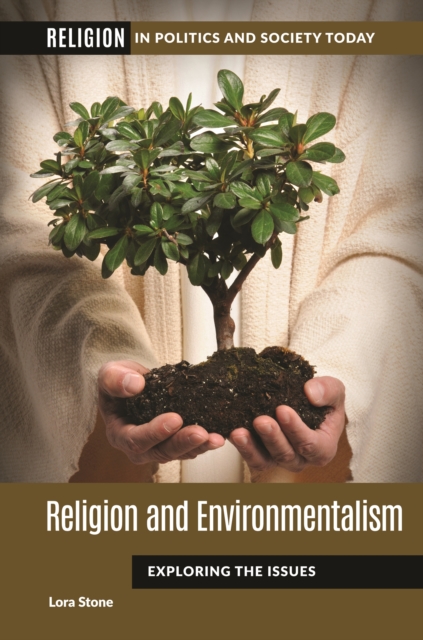
A foundational resource for readers investigating religiously motivated environmentalism, this book provides both a global overview of the subject and a detailed discussion of key figures, concepts, organizations, events, and documents.
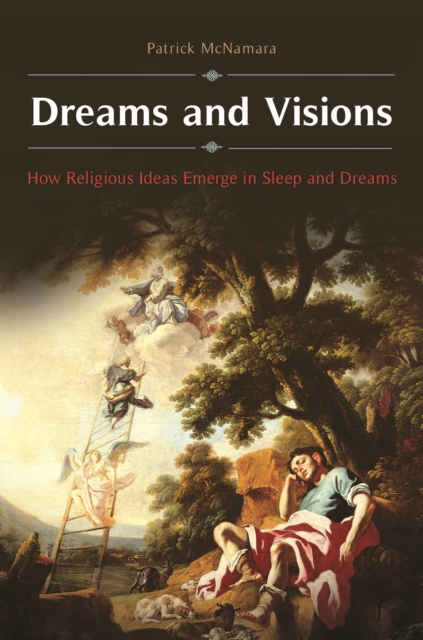
A standout resource on the emerging field of applying neuropsychology and the latest findings in sleep and dream research to religious experience, this book investigates the proven biological links between REM dreams and religious ideas, covering past and current schools of thought in both the science of dreams and the science of religion.
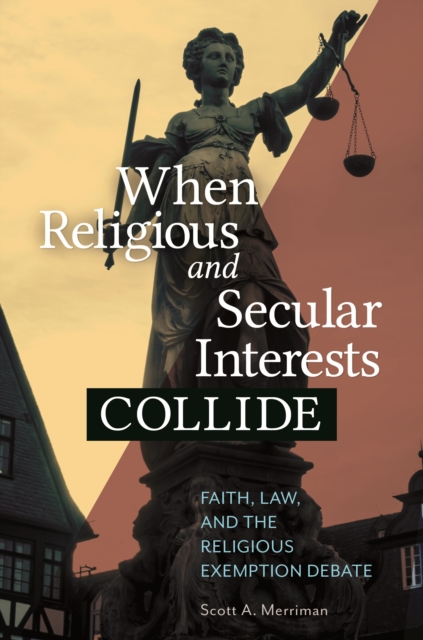
This book examines the countervailing arguments in the religious exemption debate and explains why this issue continues to be so heated and controversial in modern-day America.
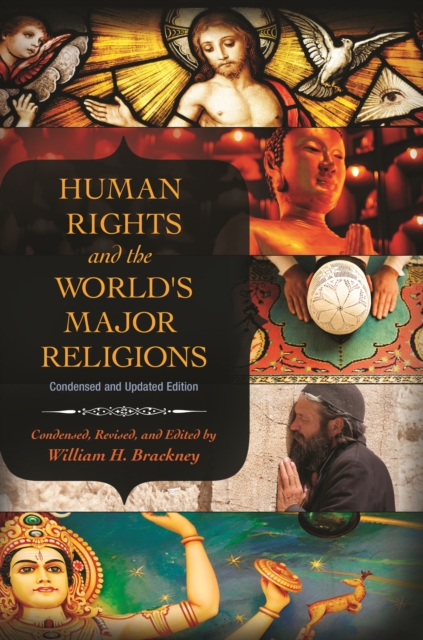
Based on the celebrated five-volume set published in 2005, this updated one-volume edition offers readers a concise yet complete understanding of the interplay between the major religions and human rights.
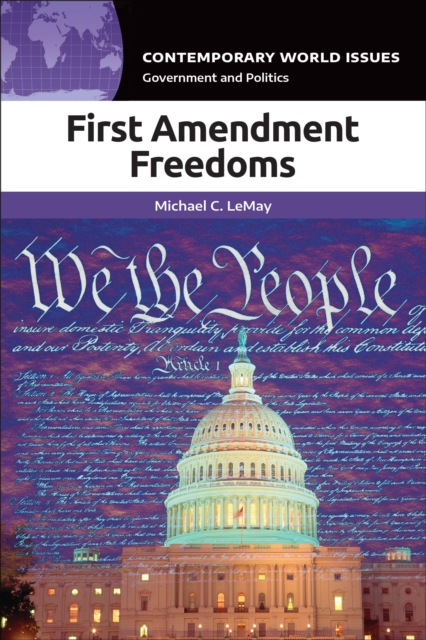
First Amendment Freedoms: A Reference Handbook offers a comprehensive examination of the discourse on First Amendment freedom issues in an objective and unbiased manner and provides valuable data and documents to guide readers to further research on the subject.
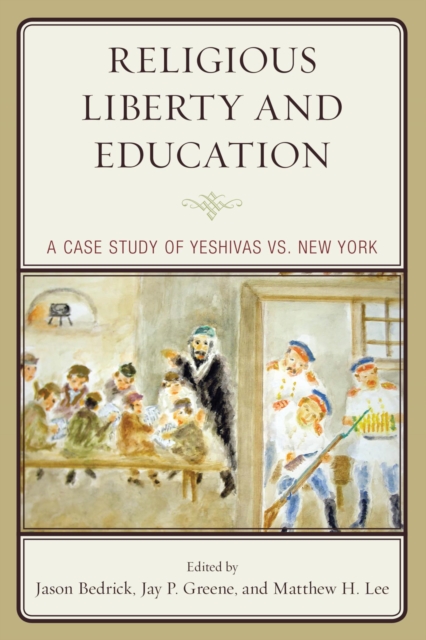
Over the last few years, Orthodox Jewish private schools, also known as yeshivas, have been under fire by a group of activists known as Young Advocates for Fair Education, run by several yeshiva graduates, who have criticized them for providing an inadequate secular education.
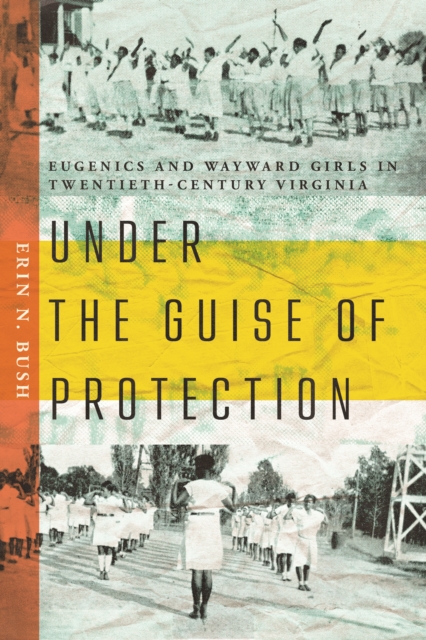
A shocking story of social engineering in the era of Jim CrowThe eugenics movement, in which the state claimed the right to determine who could and who could not have children, was a dark, shameful chapter in American history.
As the country recognizes the 101st birthday of former President Ronald Reagan, this memoir offers insight into a local Anglo-Protestant community in Westchester, California, that was but one grain of sand in a sea of change that led to the Reagan Revolution.