Adrian Plass, der erfolgreiche Bestsellerautor des "Tagebuch eines frommen Chaoten", ist zurück: mit einer Auswahl von Geschichten, Gesprächen und Gedichten, die geistliche Weisheiten mit echtem englischem Humor verbinden.
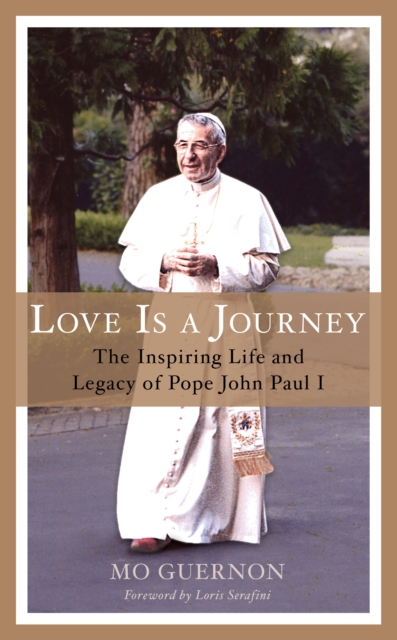
Love is a Journey is the remarkable story of Albino Luciani, known to the world as Pope John Paul I, from his harrowing birth to his tragic death just 33 days into his 1978 pontificate-the shortest pontificate in history.
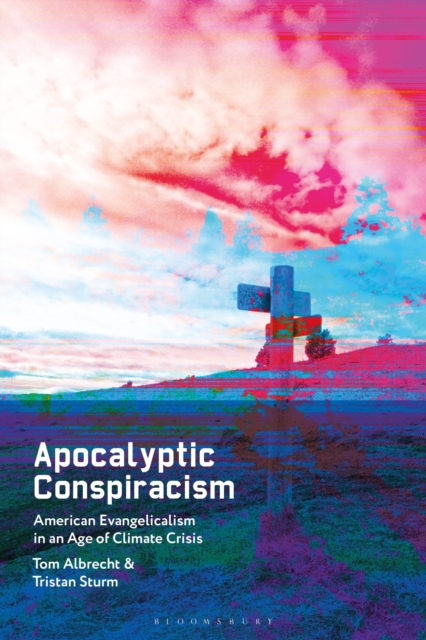
In the USA, politically conservative and right-wing apocalyptic evangelicals hold that climate change science and Covid-19 are fabrications governed by manifest evil.
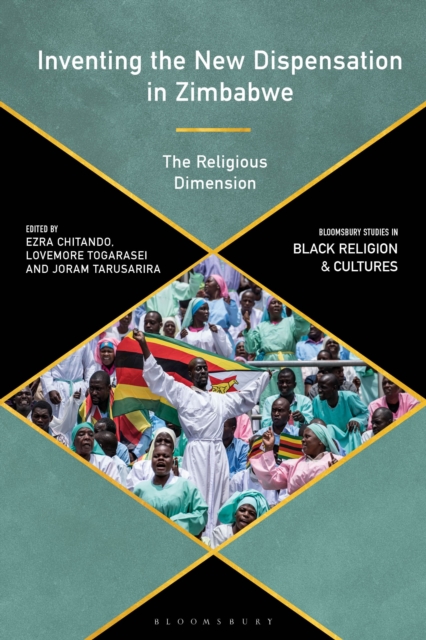
How does a regime, whose members have been actively involved in the previous one, appropriate and deploy religious ideas and rhetoric to cast itself as 'born-again' and attractive?
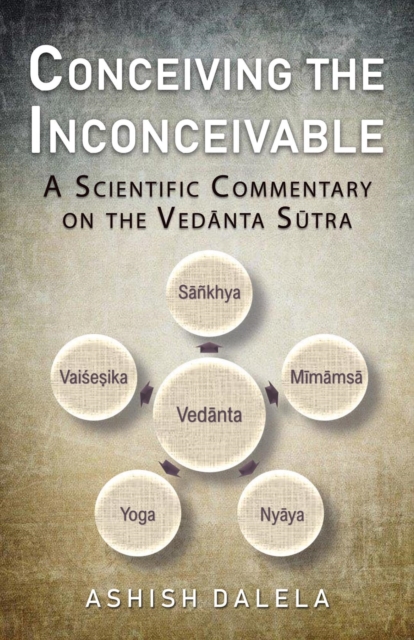
Research scientist and university teacher, Anglican clergyman and warden of a great theological library, the author had previously lectured and written extensively on religious and scientific questions.
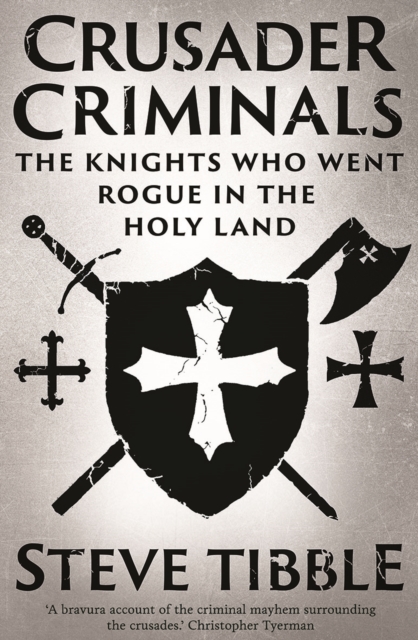
A vivid new history of the criminal underworld in the medieval Holy Land The religious wars of the crusades are renowned for their military engagements.
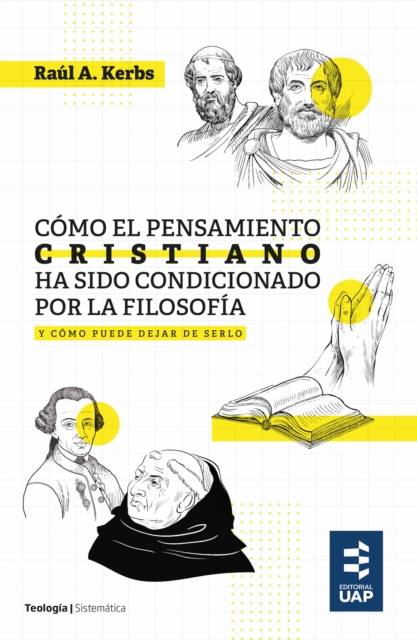
La tradición teológica cristiana ha adoptado la filosofía griega, la filosofía y la ciencia modernas a tal punto que el pensamiento cristiano está condicionado por esos saberes.
Involving a vast number of texts, saintly heroes and authors, Byzantine hagiography stands out as a field of scholarly research highly rewarding for both the philologist and the historian.
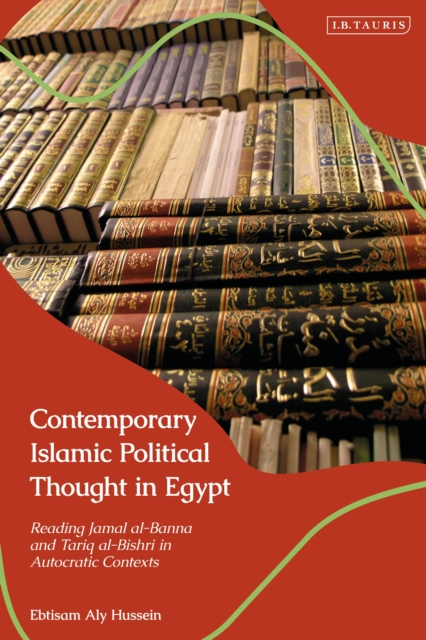
This book takes a hermeneutic approach toward reading the writings of Jamal al-Banna and Tariq al-Bishri across several decades in order to explore contemporary Islamic political thought under authoritarianism.
After an introductory general essay on the life cycle and status of women in Byzantine society, this volume focuses on female religious life, with particular emphasis on the role of convents - as spiritual sanctuary, refuge for women in need, or provider of charitable services.
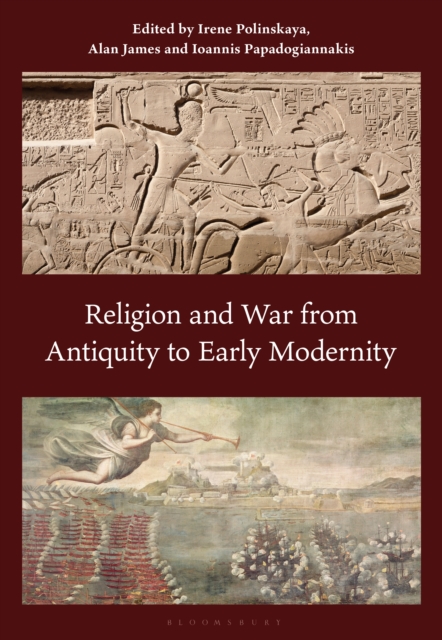
Responding to the profound challenges of our times, this book provides a comparative and cross-cultural exploration of the role of religion in war in a long historical perspective, from the second millennium BCE, and even earlier, up to early modernity.
En Dachau, cerca de Múnich, Hitler construyó el primer campo de concentración, de los muchos donde internó a sus adversarios políticos, pero también judíos, gitanos, homosexuales y otros grupos de «hombres inferiores».