The Jahmiyyah dressing statement in establishing their verbal bids or the contradiction of the foundation is a book by Ibn Taymiyyah to respond to the book of establishing sanctification of Fakhr al -Din al -Razi.
The book of the singer is one of the warehouses of Hanbali jurisprudence, and it can be considered one of the largest books of jurisprudence in Islam, which is an explanation of the abbreviation of Abu al -Qasim Omar bin Al -Hussein Al -Kharqi.
A book on belief and guidance to the path of guidance on the doctrine of the predecessors and the owners of the hadith A book on belief and guidance to the path of guidance on the doctrine of the predecessors and the owners of the hadith A book on belief and guidance to the path of guidance on the doctrine of the predecessors and the owners of the hadith A book on belief and guidance to the path of guidance on the doctrine of the predecessors and the owners of the hadith A book on belief and guidance to the path of guidance on the doctrine of the predecessors and the owners of the hadith
Interpretation of the Great Qur'an, which is famous for "The interpretation of Ibn Katheer", by Imam Imad Al -Din Abi Al -Fida Ismail bin Katheer Al -Qurashi Al -Dimashqi, known as Ibn Katheer.
Explanation of the meanings of antiquities is a book in the hadiths of rulings and evidence of contentious jurisprudential issues arranged on books and jurisprudential chapters, in which his work was mentioned by Imam Abu Jaafar Al -Tahawi the effects of the Messenger of God ﷺ in the rulings that are fantasy that some of them contradict each other and between their transcribers from their woven and restricted by their absolute and what must work for work And what should not be
The mother's book by Imam Muhammad bin Idris Al -Shafi'i, a book on jurisprudence on the doctrine of Imam Al -Shafi'i, the author of the book, was collected by Yusuf bin Yahya Al -Bawiti, the owner of Imam Al -Shafi'i, and his name was not mentioned, and he was attributed to Al -Rabi` bin Suleiman al -Muradi, as he tab He did not mention himself in it, nor attributed it to himself, as Imam Al -Ghazali said in the revival.
The creator of the people of the Qur'an, or the ethics of the campaign of the Qur'an, is an Islamic book written by Abu Bakr Muhammad bin Al -Hussein bin Abdullah Al -Ajri Al -Baghdadi, one of the books that deal with the subject of the Noble Qur'an.
Ahmed bin Ibrahim bin Hamad bin Muhammad bin Hamad bin Abdullah bin Isa - died 1327Ahmed bin Ibrahim bin Hamad bin Muhammad bin Hamad bin Abdullah bin Isa - died 1327Ahmed bin Ibrahim bin Hamad bin Muhammad bin Hamad bin Abdullah bin Isa - died 1327Ahmed bin Ibrahim bin Hamad bin Muhammad bin Hamad bin Abdullah bin Isa - died 1327Ahmed bin Ibrahim bin Hamad bin Muhammad bin Hamad bin Abdullah bin Isa - died 1327
Abu Suleiman Abdullah bin Muhammad bin Abdul Wahhab bin Suleiman Al -Tamimi Al -Najdi died 1242 Abu Suleiman Abdullah bin Muhammad bin Abdul Wahhab bin Suleiman Al -Tamimi Al -Najdi died 1242
Alerting the heedless and guiding the ignorant of what is wrong with them if they recite the book of God shown by its author, Abu al -Hasan Ali bin Muhammad al -Sfaqsi al -Nuri, the owner of a private school concerned with the Qur'an in terms of performance validity, and his departure for this aspect was great, as he established a school that cares about it in Sfax, affected by his sheikh Ibn al -Nasser in that, who founded his famous angle in Morocco that is interested in the Sunnah.
The gorgeous deception in explaining the system of pink joy for Imam al -Faqih Zakaria Al -Ansari Al -Shafi'i is a comprehensive encyclopedic book on jurisprudence on the Shafi'i school of thought, which is an explanation of the pink joy system of Ibn Al -Wardi, in which the book of Al -Hawi Al -Saghir was organized by Al -Qazwini.
Many secrets and whitening from the world of the soul reveal by Ibn al -Qayyim in this unique author and many questions that the writer answers regarding the soul and the soul, relying on evidence from the Holy Qur'an, Sunnah, antiquities and sayings of scholars, so they reveal dark images, and removes delusions stuck in our minds in front of facts supported by evidence, proofs and mental argument The visit of the living for the dead, the hearing of the dead, and the news of the dead with the news of their families, the convergence of the souls of the dead and their vision of the vision, the spirit of the sleeper, the death of the soul or the body, the stunning, the question of the grave, the torment of the grave, the bliss and the torment, the minor resurrection and the great resurrection, the stable spirits.
The gorgeous deception in explaining the system of pink joy for Imam al -Faqih Zakaria Al -Ansari Al -Shafi'i is a comprehensive encyclopedic book on jurisprudence on the Shafi'i school of thought, which is an explanation of the pink joy system of Ibn Al -Wardi, in which the book of Al -Hawi Al -Saghir was organized by Al -Qazwini.
Abdul Latif bin Abdul Rahman bin Hassan bin Muhammad bin Abdul -Wahab Al Sheikh died 1293Abdul Latif bin Abdul Rahman bin Hassan bin Muhammad bin Abdul -Wahab Al Sheikh died 1293Abdul Latif bin Abdul Rahman bin Hassan bin Muhammad bin Abdul -Wahab Al Sheikh died 1293Abdul Latif bin Abdul Rahman bin Hassan bin Muhammad bin Abdul -Wahab Al Sheikh died 1293
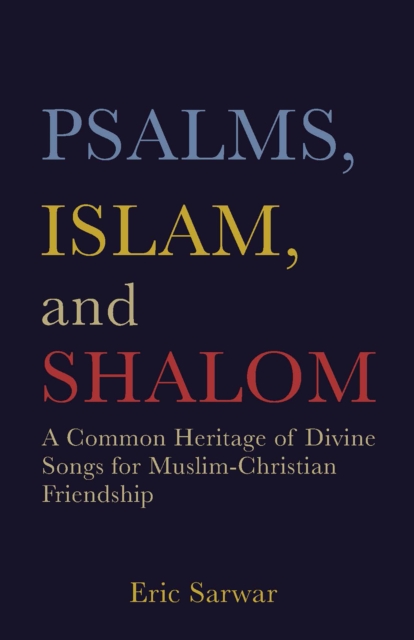
For fourteen centuries, a gap of mutual suspicion and hostility has existed between Christians and Muslims, despite attempts to engage theologically, apologetically, polemically, and militarily (such as the Crusades).
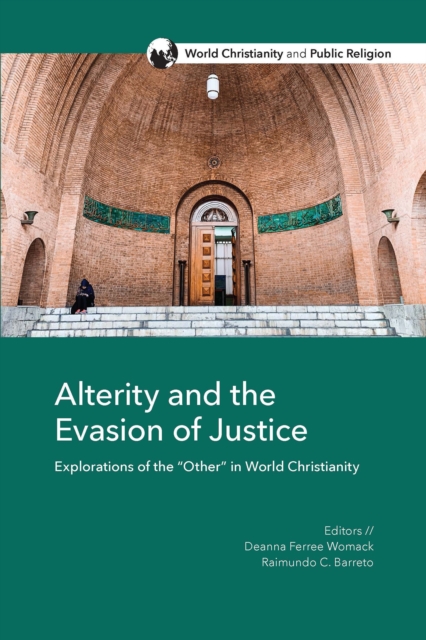
As a contribution to the Fortress series on World Christianity as Public Religion, this volume delves into questions of religious alterity and justice in World Christianity.
In this incisive work, Sam Ashton provides a compelling, consistent and erudite argument for a foundational approach to the matter of sexual difference, drawing on biblical and doctrinal material and using resources in their original languages.
American Heresy uncovers the complex legacy of America's founding principles, demonstrating how the very same values have produced both good fruit and the bitter harvest of white Christian nationalism.
A 2023Foreword INDIES Book of the Year Finalist in the Religion CategoryWith clarity and penetrating insight, Alex Ryvchin unravels the mystery of antisemitism Mandatory reading for anyone concerned with the ethical fate of the human race.
In this incisive work, Sam Ashton provides a compelling, consistent and erudite argument for a foundational approach to the matter of sexual difference, drawing on biblical and doctrinal material and using resources in their original languages.
Scholars routinely describe how Martin Luther prioritized the books of the New Testament that he believed most truly represented the gospel, the Living Word of Jesus Christ.
In diesem Sammelband werden die historischen, politischen und gesellschaftlichen Facetten der politischen Systeme der einzelnen Länder des Mittleren Ostens analysiert.
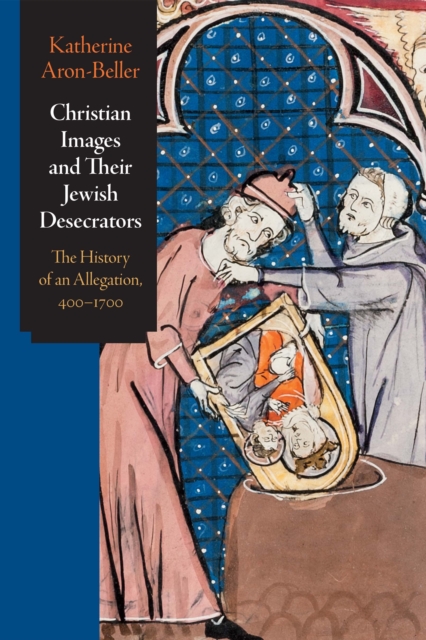
In Christian Images and Their Jewish Desecrators, historian Katherine Aron-Beller analyzes the common Christian charge that Jews habitually and compulsively violated Christian images, identifying this allegation as one that functioned alongside other anti-Jewish allegations such as ritual murder, blood libel, and host desecration to ultimately inform dangerous and long-lasting prejudices in medieval and early modern Europe.
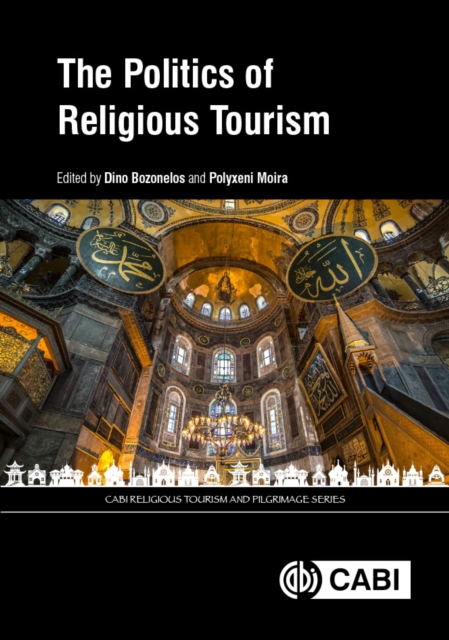
Addressing a dearth of literature in this area, this book provides a comprehensive overview and framework of study of the politics of religious tourism.
Addressing a dearth of literature in this area, this book provides a comprehensive overview and framework of study of the politics of religious tourism.
Models of Time and Space from Astrophysics and World Cultures explores how our conceptions of time, space, and the physical universe have evolved across cultures throughout the centuries.
In diesem Sammelband werden die historischen, politischen und gesellschaftlichen Facetten der politischen Systeme der einzelnen Länder des Mittleren Ostens analysiert.
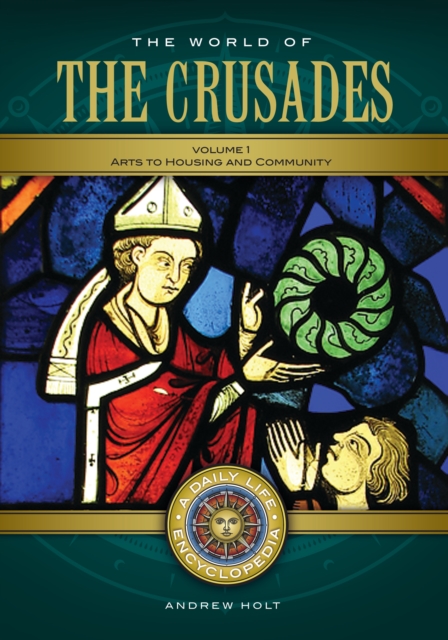
Unlike traditional references that recount political and military history, this encyclopedia includes entries on a wide range of aspects related to daily life during the medieval crusades.
This trio of volumes contains essays that explore vital existential, moral, or metaphysical issues surrounding the relationship between the sciences and the world's religions.
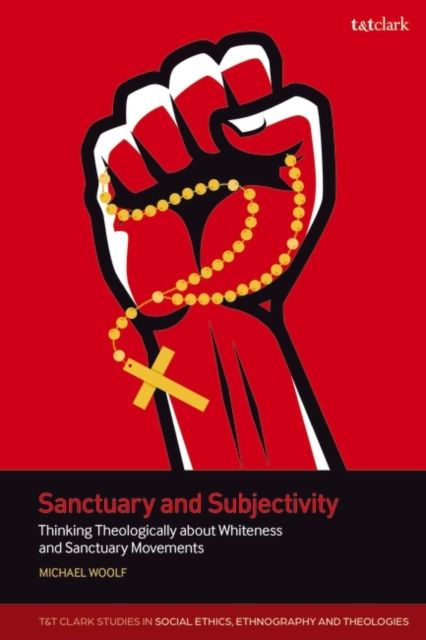
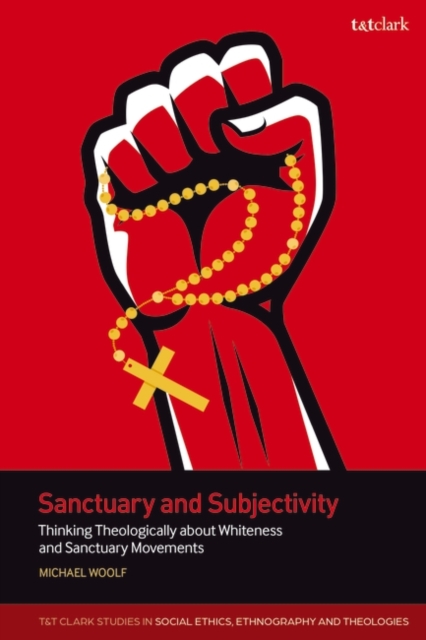
The Sanctuary Movement of the 1980s was a movement led by white religious liberals that housed Central Americans fleeing dictatorships supported by the United States government, giving them a platform to speak about the situation in their countries of origin.
The Sanctuary Movement of the 1980s was a movement led by white religious liberals that housed Central Americans fleeing dictatorships supported by the United States government, giving them a platform to speak about the situation in their countries of origin.
In Christian Images and Their Jewish Desecrators, historian Katherine Aron-Beller analyzes the common Christian charge that Jews habitually and compulsively violated Christian images, identifying this allegation as one that functioned alongside other anti-Jewish allegations such as ritual murder, blood libel, and host desecration to ultimately inform dangerous and long-lasting prejudices in medieval and early modern Europe.