Beyond OurselvesIntroduction Beyond Ourselves is written from a simple observation: when human life is viewed only through personal success, belief, or emotion, we lose clarity about our place in existence.
From Scripture to Screen: Understanding How We All Direct Our Own Jesus StoryIn this innovative book, two respected New Testament scholars explore the ways the Jesus story has been told and retold from the earliest Gospel writings to contemporary film adaptations.
The studies in this second collection by Professor Stead, which includes three pieces hitherto unpublished, investigate in detail the philosophical basis and legitimacy of important statements of early Christian doctrine, focusing on the writings of Arius, Athanasius and Augustine.
The studies in this second collection by Professor Stead, which includes three pieces hitherto unpublished, investigate in detail the philosophical basis and legitimacy of important statements of early Christian doctrine, focusing on the writings of Arius, Athanasius and Augustine.
This book investigates the complex and evolving relationship between Islam and the West, tracing its origins from the Prophet Muhammad’s time to the present day.
En la tarde del 19 de septiembre de 1987, en los alrededores del pequeño poblado agrícola de Piedade dos Gerais, en el estado de Minas Gerais, María comenzó a aparecérseles a tres pequeñas niñas.
Spirituality, Religion, and Peace Education attempts to deeply explore the universal and particular dimensions of education for inner and communal peace.
THE ARCHIVE: Human Arrogance, Human Humility, and the Order of Creation is a sweeping work of moral history, ethical reflection, and civilizational analysis that examines one timeless law governing human existence: power detached from humility collapses, while power aligned with moral order endures.
This book explores the historical relationships between socialist ideologies and religious or secular beliefs and cultures that shape the modern socialist.
This book explores the historical relationships between socialist ideologies and religious or secular beliefs and cultures that shape the modern socialist.
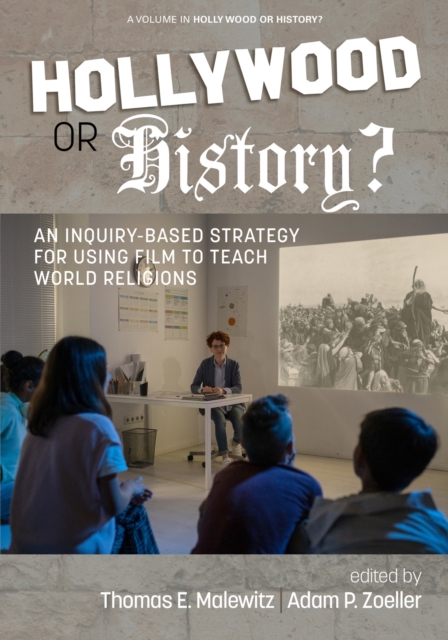
Teaching and learning through Hollywood, or commercial, film and television productions is anything but a new approach and has been something of a mainstay in the classroom for nearly a century.
A Pastor's Guide to Improving Your Spiritual, Mental, Physical, and Relational Health· A simple, shame-free guide toward holistic healing so you can experience freedom, peace, and joy every day· Perfect for anyone struggling with their own mental health as well as helping others who struggle with mental health issues· Provides practical and biblical toolsOffering a refreshing vision and approach to mental health and wellbeing, pastor Steve Larson mines the Bible to give us the biblical picture of health as Jesus lived it out: mentally, physically, spiritually, and relationally--and how these four key areas rise and fall in health together.
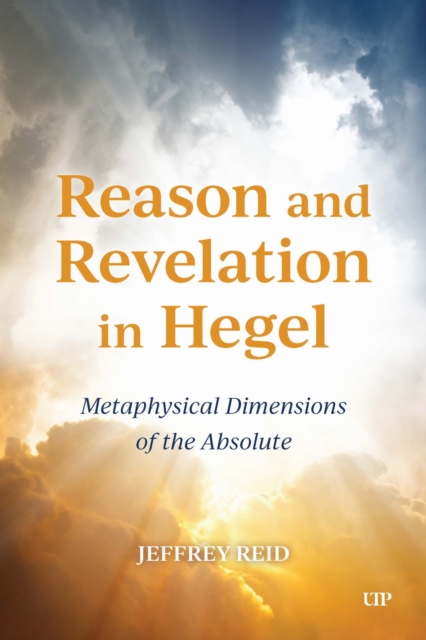
Scholar and philosopher Jeffrey Reid's latest monograph, Reason and Revelation in Hegel, offers a new understanding of Hegel's metaphysical thought, centring on the Absolute's self-revelatory agency - its unfolding through nature, human thought, and history.