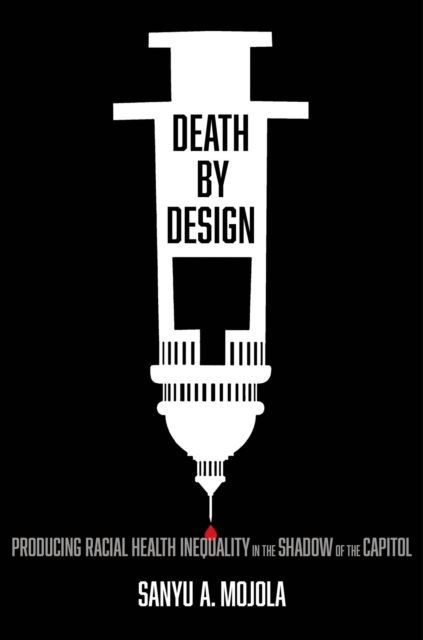
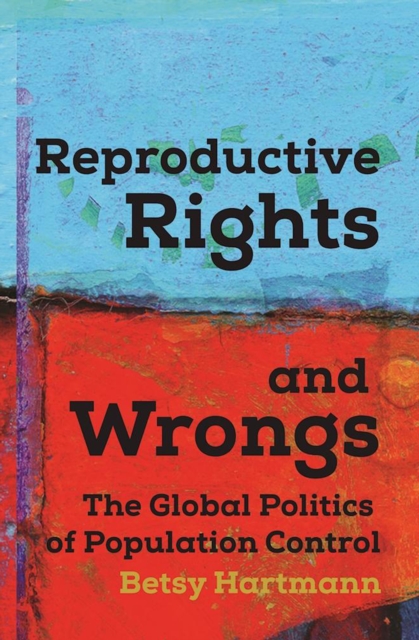
Washington, DC, has the nations largest racial life expectancy gap, and it has experienced many of the nations worst epidemics, including maternal and infant mortality, homicide, heroin overdoses, and HIV/AIDS.
Drawing on diverse scholarly and theoretical perspectives, this collection delves into the interplay between modernity and sacred traditions in contemporary Latin America as represented in its literature.
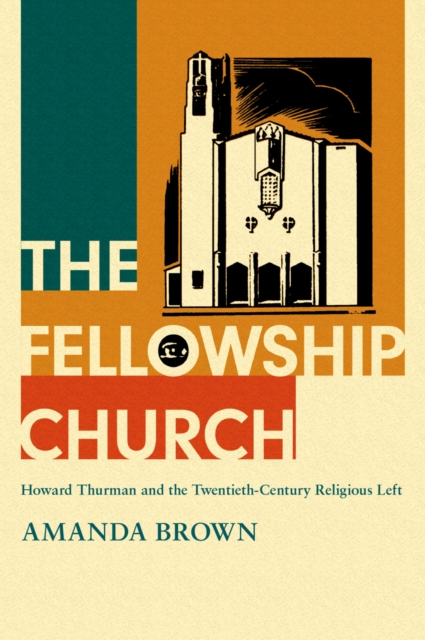
The Fellowship Church explores the evolution of the American religious left through a case study of the African American intellectual and theologian Howard Thurman, and the physical embodiment of his thought: The Church for the Fellowship of All Peoples.
Anime par un profond souci de justice intellectuelle, cet essai explore l'origine de l'homme et de l'univers a travers une analyse rigoureuse, comparant donnees historiques, temoignages anciens et observations scientifiques.
Serious students of the Bible quickly discover the diversity that stems from the human origins of Scripture, such as different authors writing in different times, places, genres, and languages.
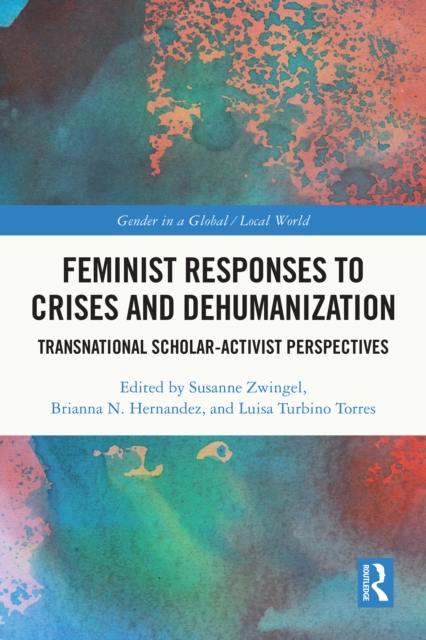
Feminist Responses to Crises and Dehumanization brings together academic knowledge with activist strategies and lived experiences from different socio-geographic angles--bridging the gap between theory and on-the-ground impact.
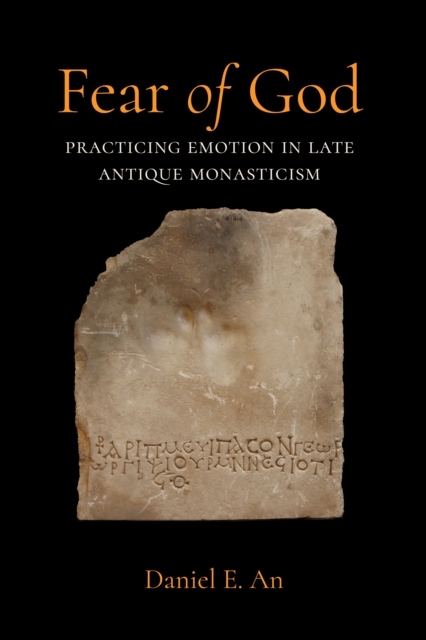
In the writings of ancient Christians, the near-ubiquitous references to the fear of God have traditionally been seen as a generic placeholder for piety.
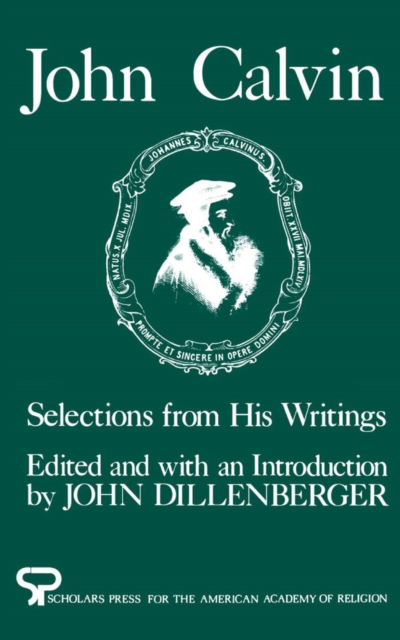
This volume presents texts selected from the full range of John Calvin's writings, including excerpts from commentaries, sermons, letters, catechisms, tracts, broad-based theological works.
Les questions existentielles, telles que qui, quoi, comment et pourquoi, ont toujours habité l’être humain, donnant naissance à la philosophie, à la science et à la religion.
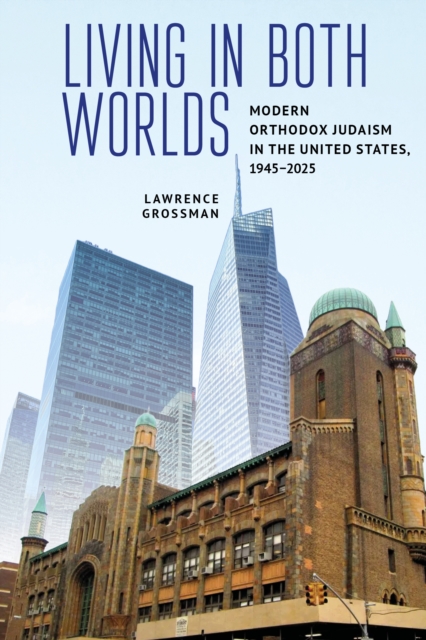
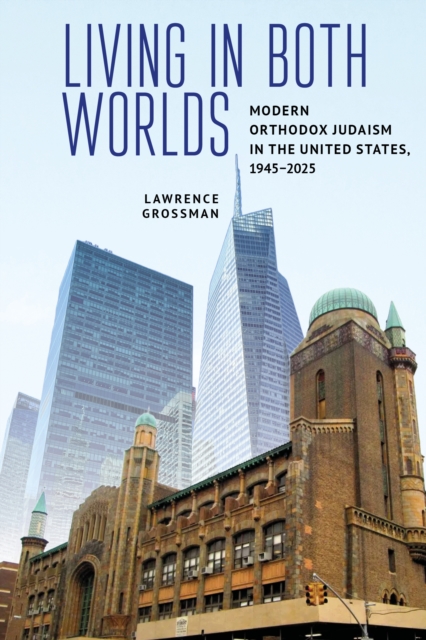
Modern Orthodoxy is a form of American Judaism that affirms the traditional tenets and practices of Orthodox Judaism while at the same time maintaining an openness to contemporary cultural and intellectual developments.
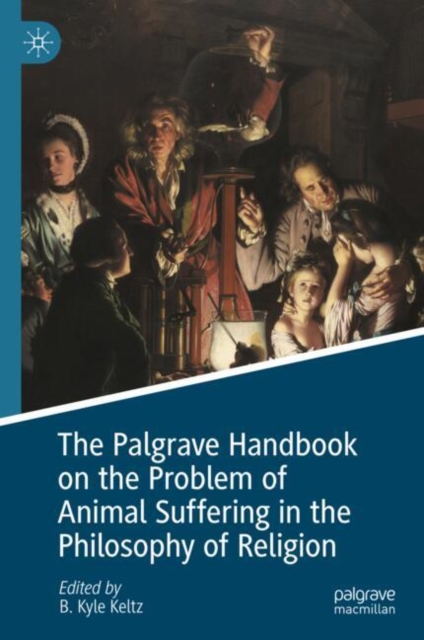
Atheists argue that animal pain, disease, suffering, and death cause a problem for theism because they believe that an all-knowing, all-powerful, and all-good God would not use millions of years of animal suffering just to make a world suitable for humans.
This book explores the potential relevance of the Upanishads, a corpus of ancient Eastern apophatic texts, to contemporary Western theories of consciousness and psychopathology, particularly in relation to psychoanalysis, neuroscience, and schizophrenia-spectrum disorders.
This book explores the potential relevance of the Upanishads, a corpus of ancient Eastern apophatic texts, to contemporary Western theories of consciousness and psychopathology, particularly in relation to psychoanalysis, neuroscience, and schizophrenia-spectrum disorders.
This study explores the relationship between the sacred and the virtual, emphasizing the sacred as a divinely dependent, consecrated space activated through ritual, mediating between the profane and the holy.
Atheists argue that animal pain, disease, suffering, and death cause a problem for theism because they believe that an all-knowing, all-powerful, and all-good God would not use millions of years of animal suffering just to make a world suitable for humans.
Since Dalit theatre has not garnered as much recognition as the other genres of Dalit literature have, this book, being one of the pioneering works in the field, aims to highlight the genre within the framework of Dalit literature and the Dalit Movement in India.
This study explores the relationship between the sacred and the virtual, emphasizing the sacred as a divinely dependent, consecrated space activated through ritual, mediating between the profane and the holy.
Since Dalit theatre has not garnered as much recognition as the other genres of Dalit literature have, this book, being one of the pioneering works in the field, aims to highlight the genre within the framework of Dalit literature and the Dalit Movement in India.
Modern Orthodoxy is a form of American Judaism that affirms the traditional tenets and practices of Orthodox Judaism while at the same time maintaining an openness to contemporary cultural and intellectual developments.