Rebellious Wives, Neglectful Husbands brings into conversation the distinct fields of tafsir (Qur'anic exegesis) studies and women's studies by exploring significant shifts in modern Qur'anic commentaries on the subject of women.
Rebellious Wives, Neglectful Husbands brings into conversation the distinct fields of tafsir (Qur'anic exegesis) studies and women's studies by exploring significant shifts in modern Qur'anic commentaries on the subject of women.
Discover Hope, Purpose, and Victory in Life's Lowest PlacesWe long to live on spiritual mountaintops--places of glory and presence--but we spend most of our time in the valleys, battling trials, giants, chaos, even hopelessness.
Almond places Ottos theory of religion within the context of his life (1869-1937), looking closely at the significant influences on Ottos thought, among them thinkers as different as Kant and the German Pietists.
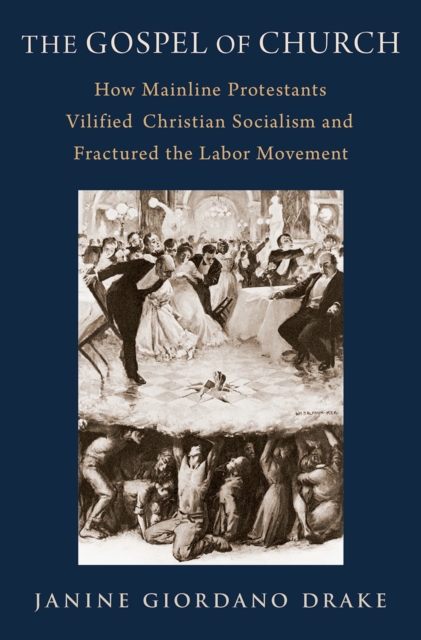
In 1942, on the recommendation of 26-year-old Bob Santamaria, Australia's Catholic bishops created a clandestine church organisation to smash the Communist Party's massive trade union base.
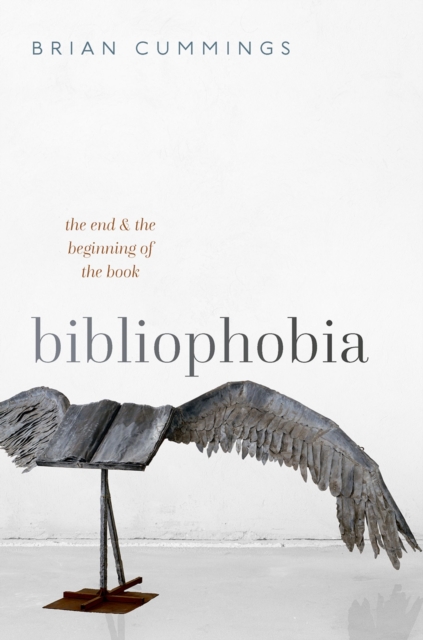
Bibliophobia is a book about material books, how they are cared for, and how they are damaged, throughout the 5000-year history of writing from Sumeria to the smartphone.
Bibliophobia is a book about material books, how they are cared for, and how they are damaged, throughout the 5000-year history of writing from Sumeria to the smartphone.
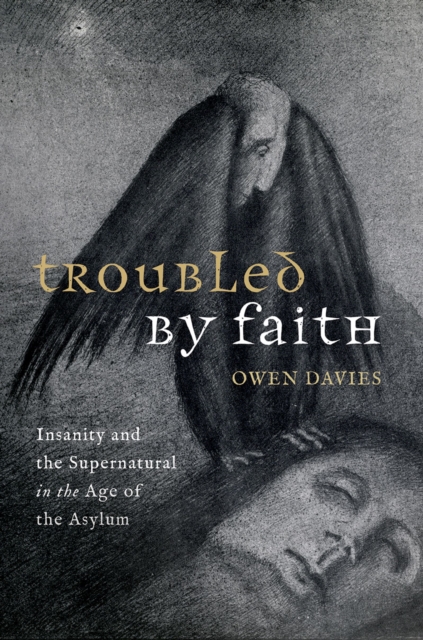
The nineteenth century was a time of extraordinary scientific innovation, but with the rise of psychiatry, faiths and popular beliefs were often seen as signs of a diseased mind.
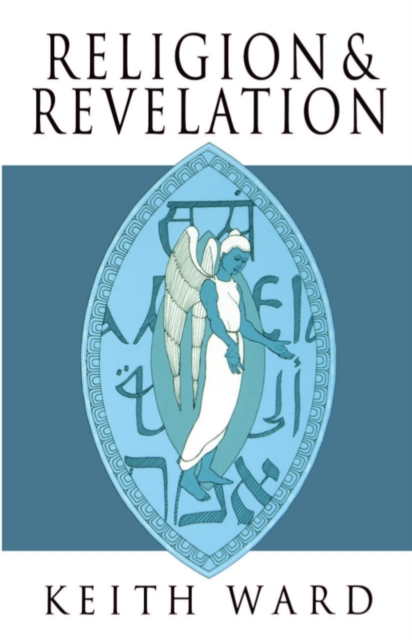
Since first Thomas Aquinas defined theology as revelation, or the rational elucidation of revealed truth, the idea of revelation has played a fundamental role in the history of western theology.
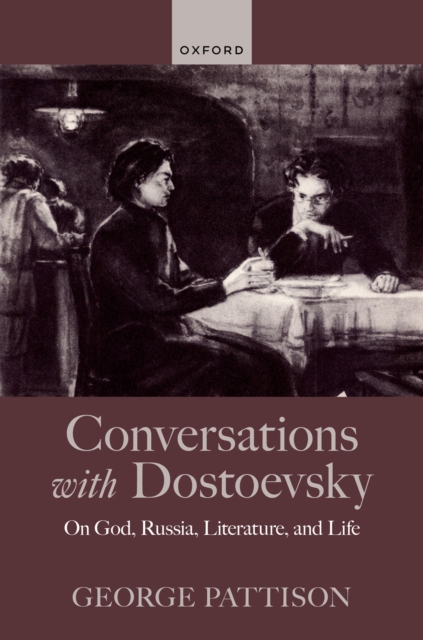
Conversations with Dostoevsky presents a series of fictional conversations taking place between November 2018 and Spring 2019 in the narrator's Glasgow apartment and elsewhere in the city.
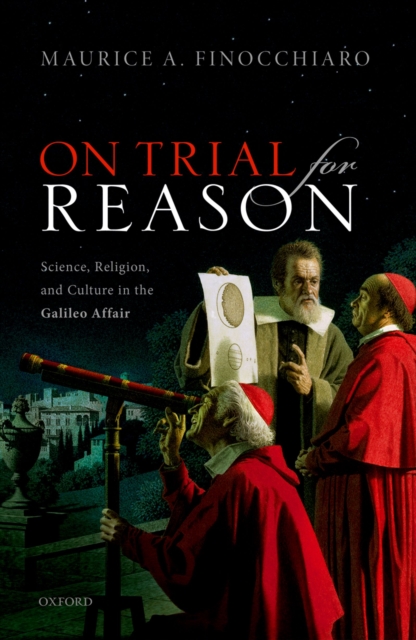
In 1633 the Roman Inquisition condemned Galileo as a suspected heretic for defending the astronomical theory that the earth moves, and implicitly assuming the theological principle that Scripture is not scientific authority.
In 1633 the Roman Inquisition condemned Galileo as a suspected heretic for defending the astronomical theory that the earth moves, and implicitly assuming the theological principle that Scripture is not scientific authority.
In this book distinguished experts from a range of disciplines (Orientalists, philologists, philosophers, theologians and historians) address a central problem which lies at the heart of the religious and philosophical debate of late antiquity.
In the three major religions of the West, God is understood to be a being whose goodness, knowledge, and power is such that it is impossible for any being, including God himself, to have a greater degree of goodness, knowledge, and power.
It is commonly assumed that the creation story of Genesis and its chronology were the only narratives openly available in medieval and early modern Europe and that the discovery of geological time in the eighteenth century came as a momentous breakthrough that shook the faith in the historical accuracy of the Bible.
It is commonly assumed that the creation story of Genesis and its chronology were the only narratives openly available in medieval and early modern Europe and that the discovery of geological time in the eighteenth century came as a momentous breakthrough that shook the faith in the historical accuracy of the Bible.
A groundbreaking account of the origins, development, and enduring significance of Christian doctrine, explaining why it remains essential to the life of Christian communities.
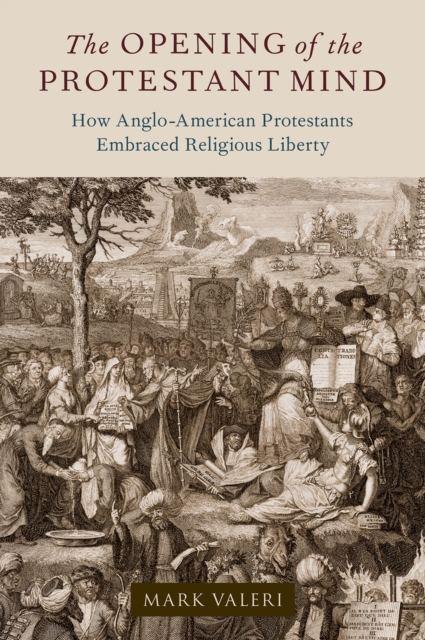
During the mid-seventeenth century, Anglo-American Protestants described Native American ceremonies as savage devilry, Islamic teaching as violent chicanery, and Catholicism as repugnant superstition.
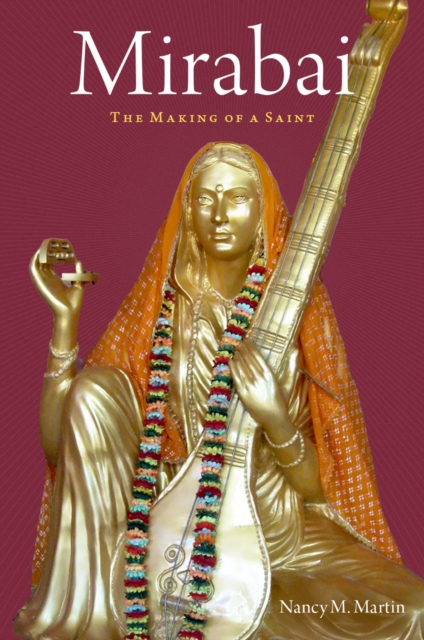
Mirabai, an iconic sixteenth-century Indian poet-saint, is renowned for her unwavering love of God, her disregard for social hierarchies and gendered notions of honor and shame, and her challenge to familial, feudal, and religious authorities.
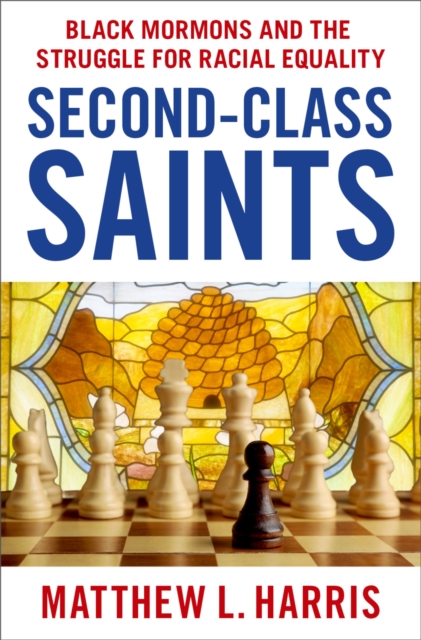
An in-depth account--grounded in new archival discoveries--of the most consequential development in Mormon history since the end of polygamyOn June 9, 1978, the phones at the headquarters of the Church of Jesus Christ of Latter-day Saints (LDS) were ringing nonstop.
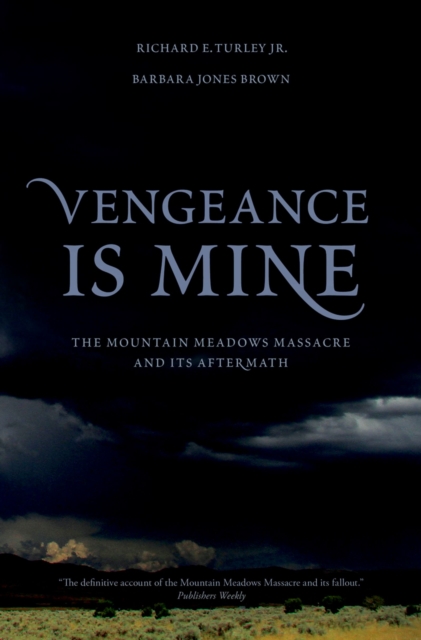
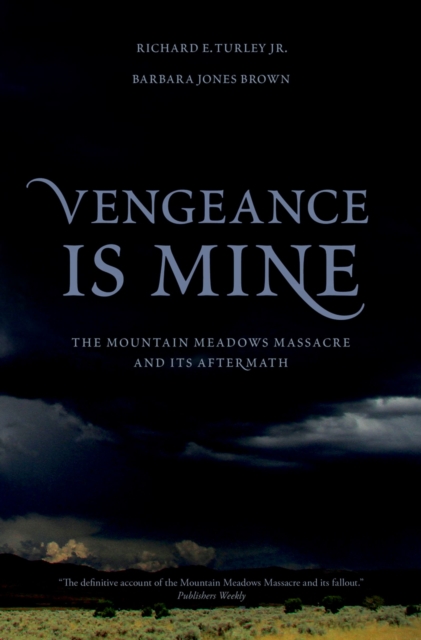
The long-awaited follow-up to the groundbreaking Massacre at Mountain MeadowsPublished in 2008, Massacre at Mountain Meadows was a bombshell of a book, revealing the story of one of the grimmest episodes in Latter-day Saint history, when settlers in southwestern Utah slaughtered more than 100 members of a California-bound wagon train in 1857.
The long-awaited follow-up to the groundbreaking Massacre at Mountain MeadowsPublished in 2008, Massacre at Mountain Meadows was a bombshell of a book, revealing the story of one of the grimmest episodes in Latter-day Saint history, when settlers in southwestern Utah slaughtered more than 100 members of a California-bound wagon train in 1857.
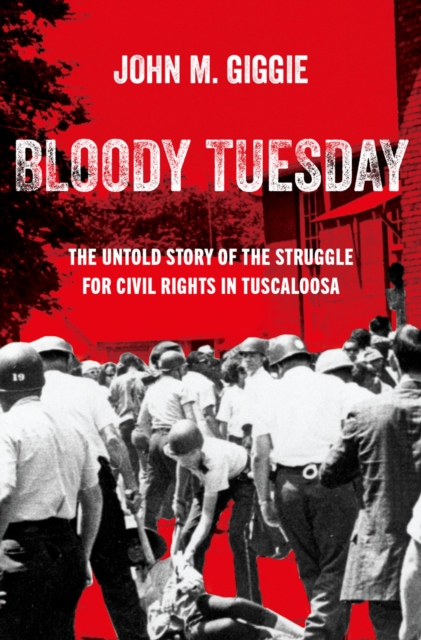
The dramatic story of one of the most violent episodes of the civil rights movement and its role in the ongoing reckoning with racial injustice in the United States.
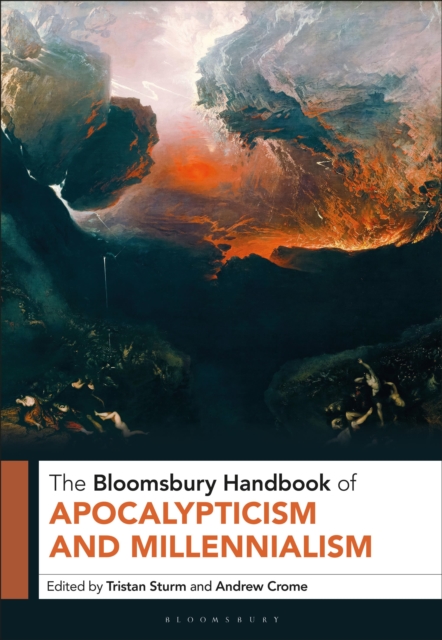
In an age shadowed by pandemics, climate catastrophe, authoritarian resurgence, and existential technological threats, The Bloomsbury Handbook of Apocalypticism and Millennialism offers a timely and indispensable exploration of how societies make sense of their Ends-and their hoped-for new beginnings.