Cet ouvrage propose un parcours socio-historique autour de la confrontation de la religion avec l'esthetique en focalisant sur l'art particulierement en phase avec le fait religieux.
In traditional societies, ancestry is an important organising principle, often determining the lives of individuals or groups from the moment that they are born.
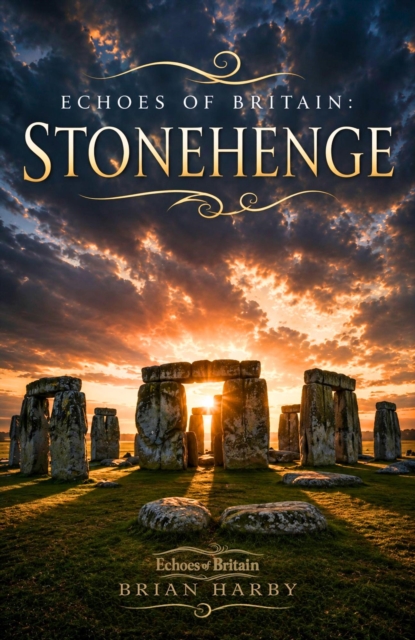
Echoes of Britain: Stonehenge: Sun, Stone and Mystery explores the story of Britain's most famous prehistoric monument, from its earliest earthworks and cremation burials to the raising of the great sarsens, the long journey of the bluestones, the mystery of its alignments, and the many myths that have gathered around it.
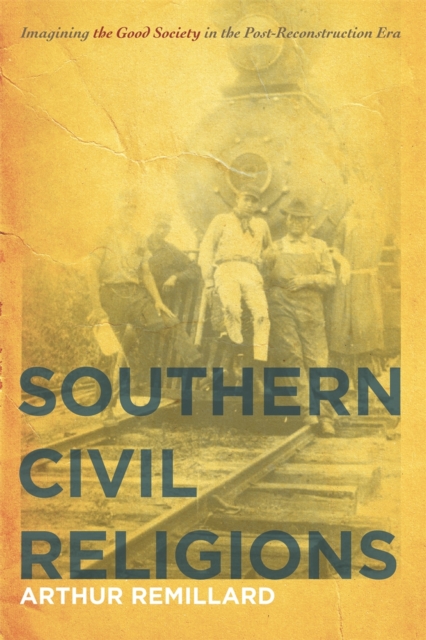
In the aftermath of the Civil War, the Lost Cause gave white southerners a new collective identity anchored in the stories, symbols, and rituals of the defeated Confederacy.
This book argues that the time has come to embrace transdisciplinary and interdisciplinary teaching and research as essential to addressing today’s complex challenges.
This book tells the story of jurema-preta, a plant which shaped the culture of Indigenous and Afro-Brazilian peoples, and withstood oppression from colonial forces to take a leading role in today's clinical research on psychedelics.
This book argues that the time has come to embrace transdisciplinary and interdisciplinary teaching and research as essential to addressing today’s complex challenges.
Mit einem Fokus auf die Potenziale von Geschichten und aufgrund einer fehlenden dramaturgischen Vielfalt wurde dieses Praxishandbuch für alle entwickelt, die sich mit Storytelling beschäftigen.
This book delves into Agamben claim that the experience of language, as it is manifested in the oath, precedes, and gives rise to religion, law and politics, and therefore should be seen as a crucial element of the human process.
This book delves into Agamben claim that the experience of language, as it is manifested in the oath, precedes, and gives rise to religion, law and politics, and therefore should be seen as a crucial element of the human process.
This work, Volume 2 in the series is separated into two parts: Part 1 presents the discursive concepts and the order of power of Qur'anic discourse which ensured that it could NOT be made manifest within the ambit of the discourse of and the order of power of the Age of Prophethood, for only the Qur'an is the Manifest Book.
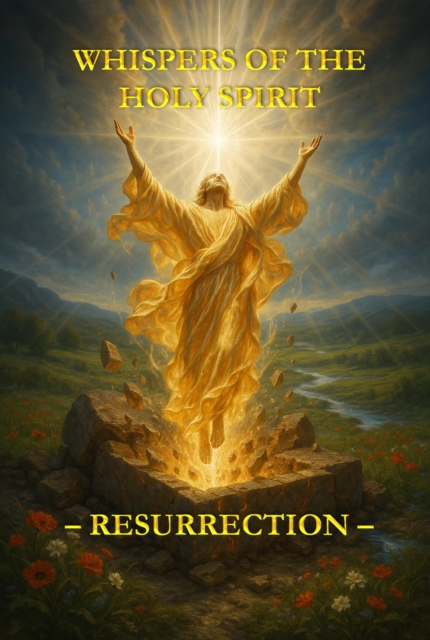
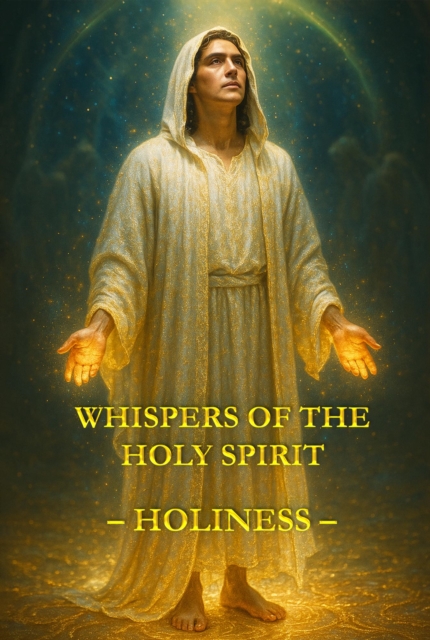
Many Christians know the word holy, yet hear it as distance: a standard above them, a warning against weakness, a height they can admire but not enter.
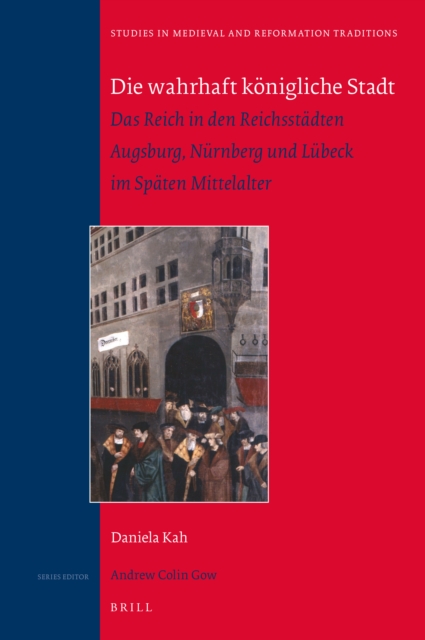
English In Eine wahrhaft konigliche Stadt, Daniela Kah describes how contemporary residents and visitors were able to experience and perceive the presence of the Holy Roman Empire (or its representatives, e.
This work studies and compares systematically the text of Tertullian, an African Church Father of the third century CE, on idolatry with the rabbinic Mishnah Avodah Zarah, on the same subject, dating roughly from the same period.
This book tells the story of jurema-preta, a plant which shaped the culture of Indigenous and Afro-Brazilian peoples, and withstood oppression from colonial forces to take a leading role in today's clinical research on psychedelics.
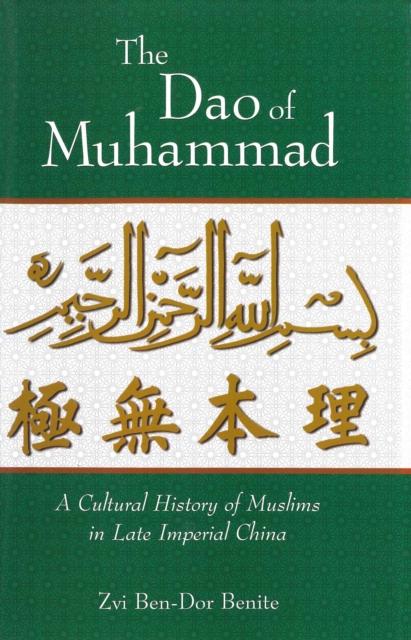
"e;This book documents an Islamic-Confucian school of scholarship that flourished, mostly in the Yangzi Delta, in the seventeenth and eighteenth centuries.
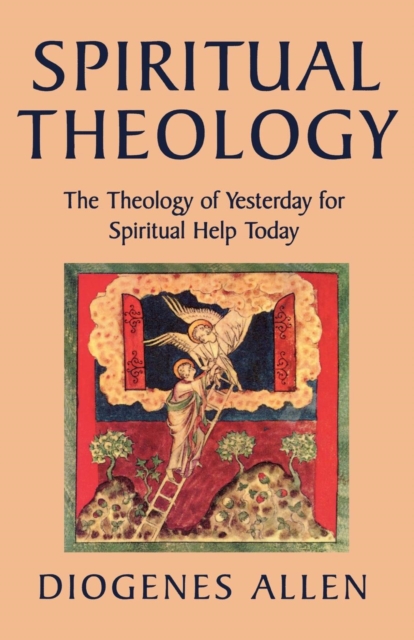
Often spirituality today is isolated from church teaching and doctrine, as in Joseph Campbell's treatment of myth and the many forms of New Age theologies, but doctrine apart from the life of prayer is abstract and sterile.