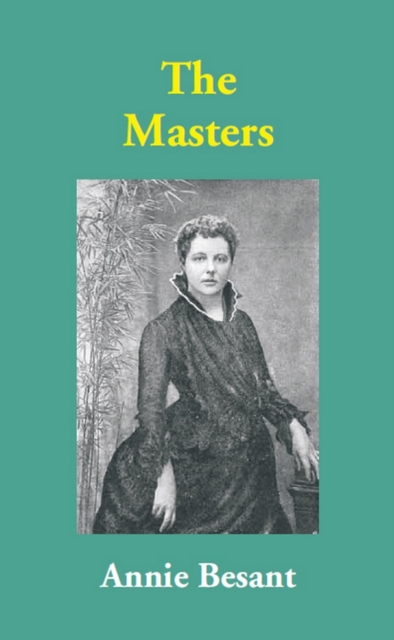
Masters superstitious or harmful the white lodge and it's messengers the masters avatars This fourth volume of the Annie Besant Collection includes seven profound books by this prolific English author, undoubtedly one of the most important authorities of the Theosophical Movement.
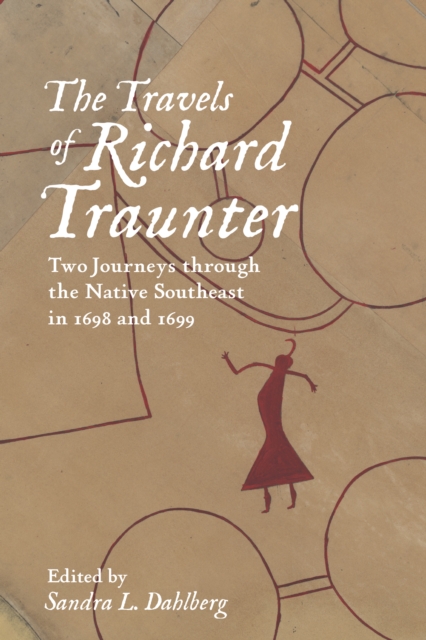
In the final years of the seventeenth century, Richard Traunter-an experienced Indian trader fluent in three Indigenous languages-made a number of trips into the interior of Virginia and the Carolina colonies, keeping a record of his travels and the people he encountered.
Recovering the Church's Classical Approach to Biblical InterpretationFor nearly 1,700 years, the church read Scripture through four interwoven lenses--literal, allegorical, tropological, and anagogical--known as the quadriga.
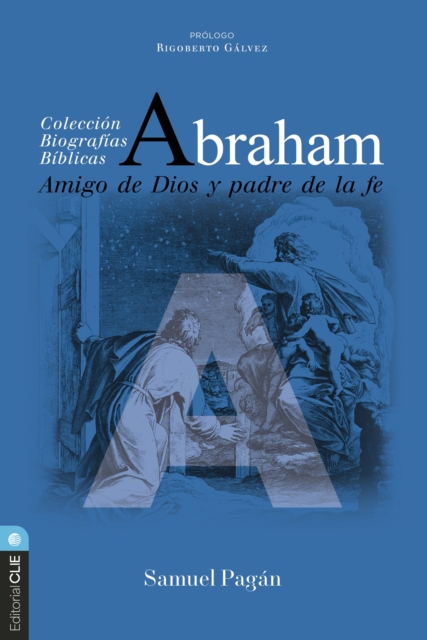
Con una narrativa clara y accesible, el autor nos lleva a descubrir las riquezas de la vida de Abraham, un personaje clave para el judaísmo, el cristianismo y el islam.
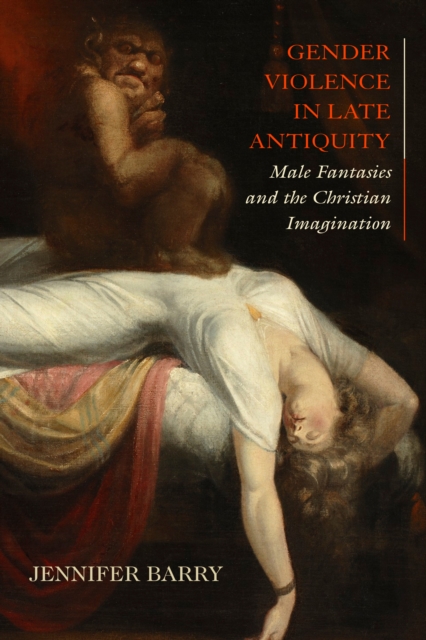
Gender Violence in Late Antiquity confronts the violent ideological frameworks underpinning the early Christian imagination, arguing that gender-based violence is not peripheral but is fundamental to understanding early Christian history.
Now in its third edition, Tim Dowley's masterful one-volume survey of church history has an updated design and new content, particularly in the section covering most recent Christian history.
In From a Far Country Catharine Randall examines Huguenots and their less-known cousins the Camisards, offering a fresh perspective on the important role these French Protestants played in settling the New World.
Gender Violence in Late Antiquity confronts the violent ideological frameworks underpinning the early Christian imagination, arguing that gender-based violence is not peripheral but is fundamental to understanding early Christian history.
Every thought of man upon being evolved passes into the inner world, and becomes an active entity by associating itself, coalescing we might term it, with an elementalthat is to say, with one of the semi-intelligent forces of the kingdoms.
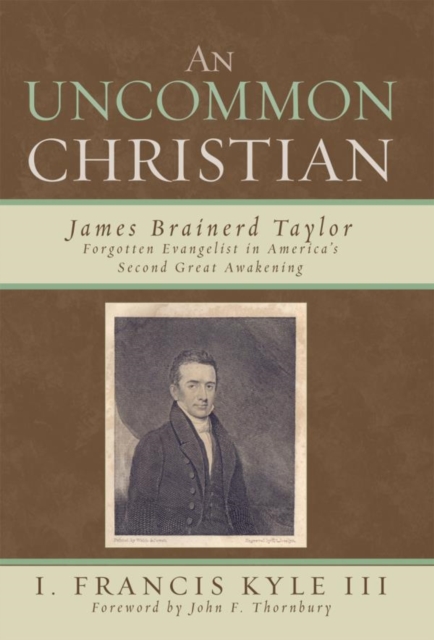
An Uncommon Christian seeks to show how and why James Brainerd Taylor (1801-1829) became a popular participant during America's Second Great Awakening, and why the Princeton graduate and Yale Seminary student grew to be a frequent example of evangelical Protestant spirituality and evangelistic passion long after his untimely death.
In this brilliant culmination of his seminal Powers Trilogy, now reissued in a twenty-fifth anniversary edition, Walter Wink explores the problem of evil today and how it relates to the New Testament concept of principalities and powers.
a a a a a a a a a a a a a a a a a a a a a a a a a a a a a , a a a a a a a a a a a a a a a a a a a a a a a a a a a a a a a a a a a a a a a a a sa a a a a a a a a a a a a a a a a -a a a a a a a a a a a a a a a a a a a a a a a a a a a a a a a a a a a a a a a a a a a a a a a a a a a a a a a a a a a a a a a a a a a a a a a a a a a a a a a a a a a a a a a a a a a a a a a a a a a a a a Y a a a a a , a a a a , a a a , a a , a a -a a a a a a a a a a a a a a a a a a a a a a a a a a a a a a a a a a a a a a a a a a a a a a a , a a a a a a a a a a a a a a a a a a a a a a a a a a a , a a a a a a a a a a a a a a a a a a a a a a a a a a a a a a a a a a a a a a a a a a a a a a a a a a a -a a a a a a a a a a a a a a a a a a a a a a a a a a a a a a a a a a a a a a a a a a a a a a sa a a a a a a a a a a a a a a a a a a a a a a a a a a a a a a a a a a a a a a a a a a a a a a a a a a a a a a a a a a a a a a a a a a a a a a a a a a a a a a a a a a a a a a a a a a a a a a a a a a a a a Ya a , a a a a a a a a a a a a a a a a a a a a a a a a a a a a a a a a a a a a a a a a a a a a a a a a a a a a a a a a a a a a a a a a a a a a a a a a a a a a a a a a a a a a a -a a a a a a a a a a a a a a a a a , a a a a a a sa a a a a a a a a a a a a a a a a a a a a a a a a a a a a a a a a sa a a a a a a a a a a a a a a a a a a a a a a sa a a a a a a a a a a a a a a a a a a a a a a sa a a a a a a a a a a a a a a a a a a a a a a a a a a a a a a a a a a a a a a a a a a a a a a a a a a a a a a a a a a a a a a a a a a a a a a a a a a a a a a a a sa a a a a a a a a a a a a a a a a a a a a a a a a a a a a a a a a a a a a -a a a a a a a a a a a a a a a a a a a a a a a a a a a a a a a a a a a a a a a a a a a a a a a a a a a a a a a a a a a a a a a a a a a a a a a a a a a a a a a a a a a a a a a a a a a a a a a a a a a a a a a a a a a a a a a a a a a a a a a a a a a a a a a a a a a a a a a a sa a a a a a a
a a a a a a a a a a a a a a a a a a a a a a a a a a a a a , a a a a a a a a a a a a a a a a a a a a a a a a a a a a a a a a a a a a a a a a a sa a a a a a a a a a a a a a a a a -a a a a a a a a a a a a a a a a a a a a a a a a a a a a a a a a a a a a a a a a a a a a a a a a a a a a a a a a a a a a a a a a a a a a a a a a a a a a a a a a a a a a a a a a a a a a a a a a a a a a a a Y a a a a a , a a a a , a a a , a a , a a -a a a a a a a a a a a a a a a a a a a a a a a a a a a a a a a a a a a a a a a a a a a a a a a , a a a a a a a a a a a a a a a a a a a a a a a a a a a , a a a a a a a a a a a a a a a a a a a a a a a a a a a a a a a a a a a a a a a a a a a a a a a a a a a -a a a a a a a a a a a a a a a a a a a a a a a a a a a a a a a a a a a a a a a a a a a a a a sa a a a a a a a a a a a a a a a a a a a a a a a a a a a a a a a a a a a a a a a a a a a a a a a a a a a a a a a a a a a a a a a a a a a a a a a a a a a a a a a a a a a a a a a a a a a a a a a a a a a a a Ya a , a a a a a a a a a a a a a a a a a a a a a a a a a a a a a a a a a a a a a a a a a a a a a a a a a a a a a a a a a a a a a a a a a a a a a a a a a a a a a a a a a a a a a -a a a a a a a a a a a a a a a a a , a a a a a a sa a a a a a a a a a a a a a a a a a a a a a a a a a a a a a a a a sa a a a a a a a a a a a a a a a a a a a a a a sa a a a a a a a a a a a a a a a a a a a a a a sa a a a a a a a a a a a a a a a a a a a a a a a a a a a a a a a a a a a a a a a a a a a a a a a a a a a a a a a a a a a a a a a a a a a a a a a a a a a a a a a a sa a a a a a a a a a a a a a a a a a a a a a a a a a a a a a a a a a a a a -a a a a a a a a a a a a a a a a a a a a a a a a a a a a a a a a a a a a a a a a a a a a a a a a a a a a a a a a a a a a a a a a a a a a a a a a a a a a a a a a a a a a a a a a a a a a a a a a a a a a a a a a a a a a a a a a a a a a a a a a a a a a a a a a a a a a a a a a sa a a a a a a
The Protocol of the Gods is a pioneering study of the history of relations between Japanese native institutions (Shinto shrines) and imported Buddhist institutions (Buddhist temples).
In this brilliant culmination of his seminal Powers Trilogy, now reissued in a twenty-fifth anniversary edition, Walter Wink explores the problem of evil today and how it relates to the New Testament concept of principalities and powers.
An Uncommon Christian seeks to show how and why James Brainerd Taylor (1801-1829) became a popular participant during America's Second Great Awakening, and why the Princeton graduate and Yale Seminary student grew to be a frequent example of evangelical Protestant spirituality and evangelistic passion long after his untimely death.
This book examines the religious epistemologies of Soren Kierkegaard, John Henry Newman, and William James in the light of contemporary challenges to religious faith.
Feminist Antisemitism: An Intellectual History establishes the antipathy toward Jews that existed as the movement began and tracks how changes in feminist in groups and theories manifested in new, feminist inflected forms of antisemitic thinking.
Allegorical readings of literary or religious texts always begin as counterreadings, starting with denial or negation, challenging the literal sense: "e;You have read the text this way, but I will read it differently.
This work is a lifetime's collection by Edward Carpenter, resigned Anglican clergyman, socialist, and sexual reformer, on the history of pagan cults and Christianity.
In contemporary India, new Hindu religious movements are reshaping spiritual landscapes and challenging traditional boundaries of faith, identity, and social practice.
'Expertly crafted' AMELIA DIMOLDENBERG'A beautiful siren song to anyone who has ever felt ashamed of their own taste' SCARLETT CURTIS'An ode to both fearless critique and visceral fandom' BILLIE JD PORTERA deep dive into the joy and power of personal pleasures, quirks, obsessions and bad taste, from zine royalty, Ione Gamble.
For the first time, this volume brings together the writings, lectures, and correspondence of two of the most distinctive voices in twentieth-century French thought: Alexandre Koj ve (1902 1968) and Gaston Fessard (1897 1978).
In contemporary India, new Hindu religious movements are reshaping spiritual landscapes and challenging traditional boundaries of faith, identity, and social practice.
An indispensable reference for the history of monasticism in the western work, Montalembert's seven-volume masterpiece on the subject still reads with depth and conviction.
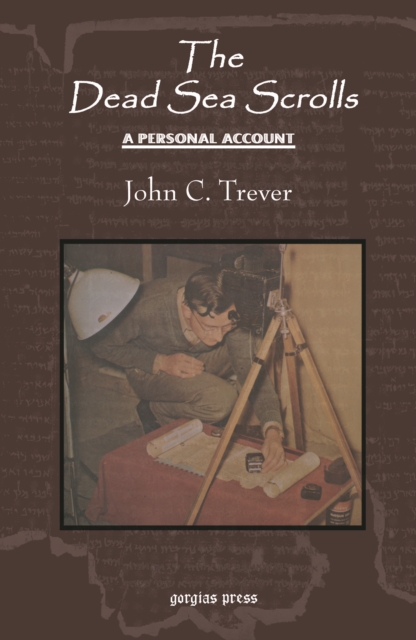
Trever relates the story of the frantic scholarly explorations carried on against the harried backdrop of war-torn Palestine, an absorbing story of intrigue and undercover negotiations, personal risk and frustration, and tireless pursuit of the evidence.
The Protocol of the Gods is a pioneering study of the history of relations between Japanese native institutions (Shinto shrines) and imported Buddhist institutions (Buddhist temples).