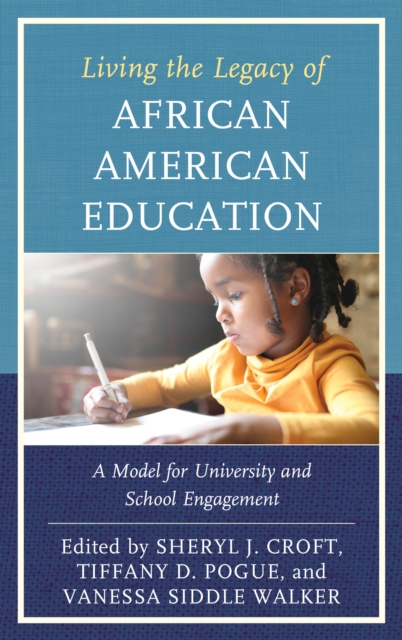
Modeled after a little known historical model and based on the research of Vanessa Siddle Walker, Living the Legacy of African American Education: A Model for University and School, describes a sustainable and authentic partnership between a university and its K-12 partners.
Today's educators-pre- and in-service teachers and teacher educators serve increasing percentages of adolescents who have limited relationships to school.
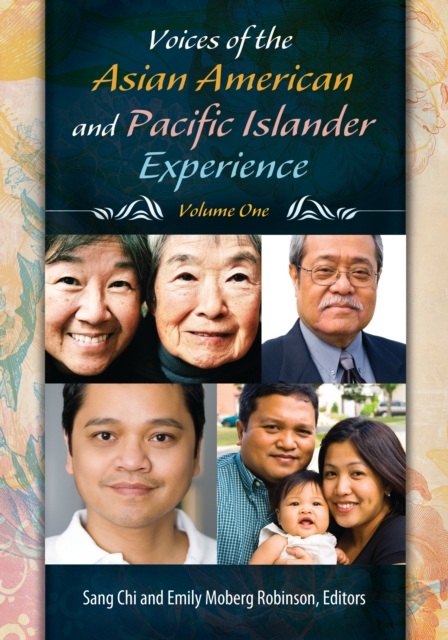
This unique work presents an extraordinary breadth of contemporary and historical views on Asian America and Pacific Islanders, conveyed through the voices of the men and women who lived these experiences over more than 150 years.
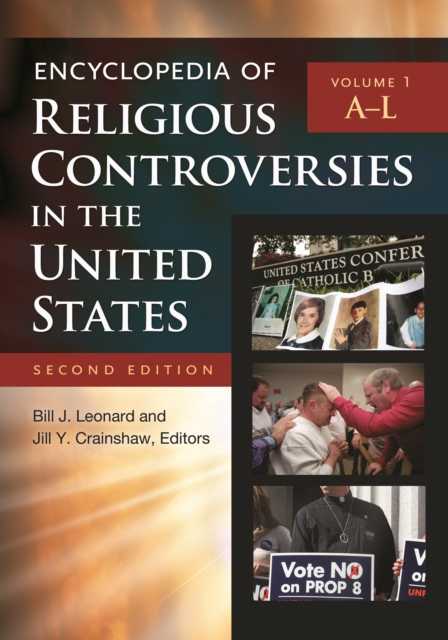
This book provides a thorough introduction to historical and contemporary issues in American religion, tackling controversial hot-button topics such as abortion, Intelligent Design, and Scientology.
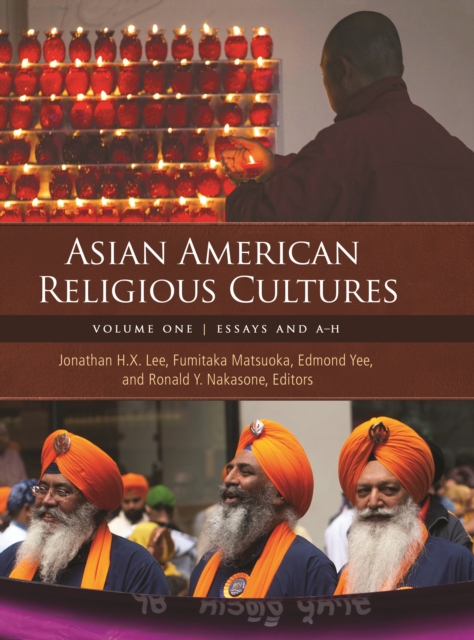
A resource ideal for students as well as general readers, this two-volume encyclopedia examines the diversity of the Asian American and Pacific Islander spiritual experience.
Today's educators-pre- and in-service teachers and teacher educators serve increasing percentages of adolescents who have limited relationships to school.
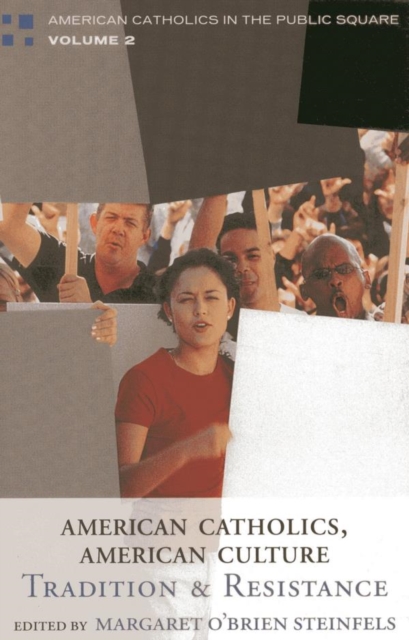
Sheed & Ward, in partnership with Commonweal magazine, presents the second of two volumes in the groundbreaking series, American Catholics in the Public Square, a project funded by The Pew Charitable Trusts.
In this unprecedented masterwork, The Scholar's Haggadah: Ashkenazic, Sephardic, and Oriental Versions, Heinrich Guggenheimer presents the first Haggadah to treat the texts of all Jewish groups on an equal footing and to use their divergences and concurrences as a key to the history of the text and an understanding of its development.
We offer in this book a collection of chapters that reflect a broad range of issues linking globalization to education in an accessible yet theoretically grounded and detailed form.
The Origins of Ethical Thought: A Comparative Study Between Hellenism and Hebraism is the first text to analyze both Greek and Hebrew ethical thought based on a comprehensive and ideological interpretation of the two systems on their own and in relation to one another.
Ethics, Literature, and Theory: An Introductory Reader brings together the work of contemporary scholars, teachers, and writers into lively discussion on the moral role of literature and the relationship between aesthetics, art, and ethics.
In this remarkable collection of essays, acclaimed writer Brian Doyle offers "e;resurrections, restorations, reconsiderations, appreciations, enthusiasms, headlong solos, laughing prayers, imaginary meetings with most unusual and most interesting men.
In this timely and highly readable volume, Old Testament scholar William Holladay introduces the reader to the several ways in which Isaiah speaks, from ancient Jewish readings of the text, to Handel's lyrical use of it in his oratorio, Messiah, to the Christian community who has heard it foretelling the life and death of Jesus Christ.
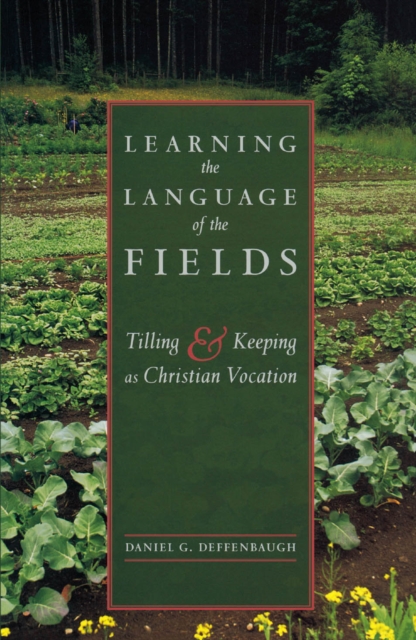
Deffenbaugh calls us to "e;live in a reciprocal relationship"e; with our biotic communities-the plants, animals, and other non-human cultures that share our particular places in the world.
Robert Farrar Capon is well known as the author of the modern classic The Supper of the Lamb ("e;awesomely funny, wise, beautiful, moving, preposterous,"e; said The New York Times) and other acclaimed books such as Genesis, the Movie.
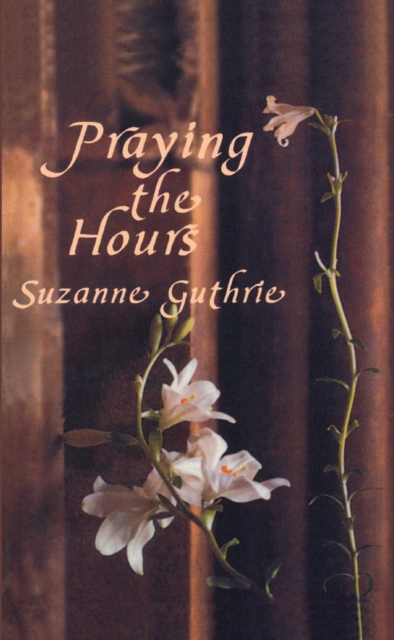
In Praying the Hours Suzanne Guthrie offers us a contemporary way to practice the ancient tradition of hallowing time throughout the day by marking the hours with prayer and thanksgiving.
Irene Zimmerman's scripturally-based poetry has been read from pulpits, savored by individuals, and provided the topics for weekend retreats and discussion groups.
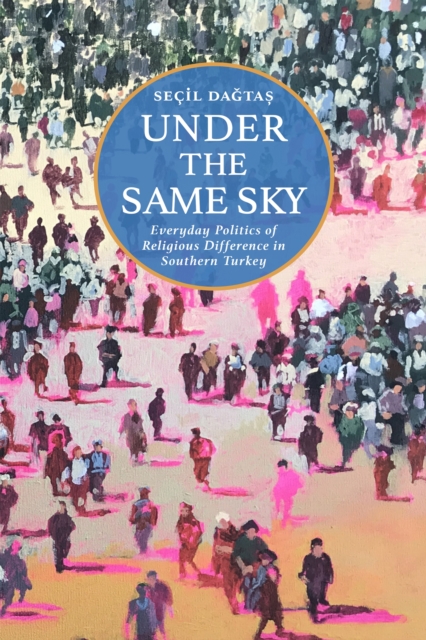
An ethnographic study of the everyday lives of religious minorities near Turkey's border with SyriaHow do people coexist in a world shaped by longstanding differences, political instability, and recurrent displacement?
In No Moment Too Small, Vest focuses on three of the foundations of the Benedictine way: silence, the exploration of Scripture and other spiritual writings (lectio divina), and the hours of prayer.
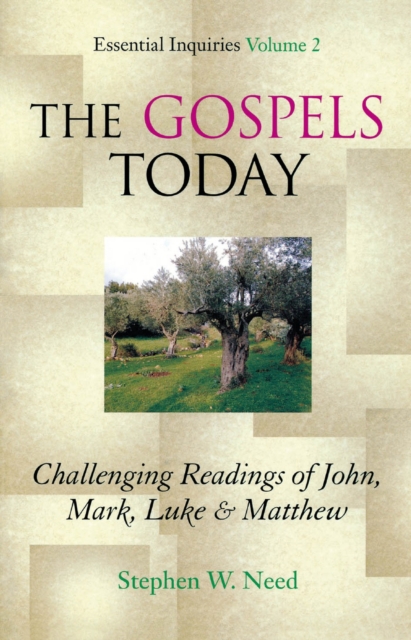
The Gospels Today discusses and challenges popular interpretations of familiar gospel texts and themes and quickly presents overviews of important controversies and debates.
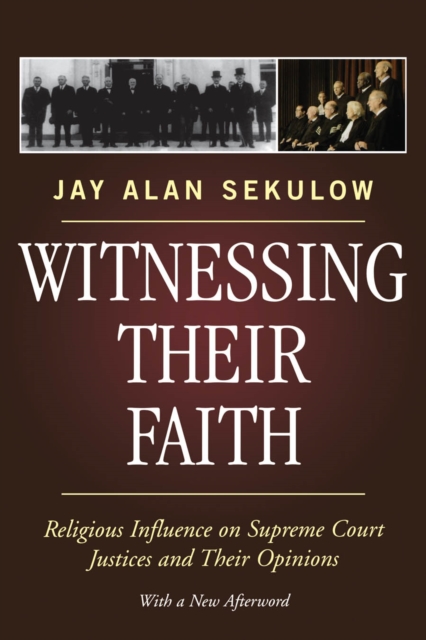
When it was ratified in 1791, the First Amendment to the Constitution of the United States sought to protect against two distinct types of government actions that interfere with religious liberty: the establishment of a national religion and interference with individual rights to practice religion.
Ethics, Literature, and Theory: An Introductory Reader brings together the work of contemporary scholars, teachers, and writers into lively discussion on the moral role of literature and the relationship between aesthetics, art, and ethics.
The issues may change with the passing of the years, but the categories of concern change very little: sexuality and the sexes; medical decision-making; justice for the poor, the powerless, the underclass; reproductive decision-making; moral decision-making in business; and personal moral choices.
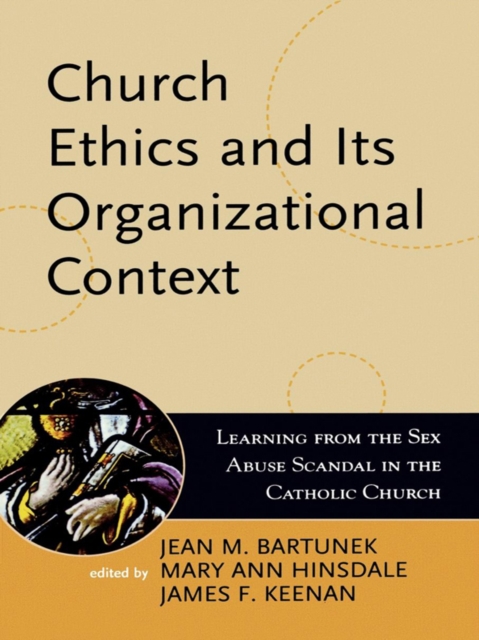
Church Ethics and Its Organizational Context is the first book to provide a broadly interdisciplinary approach to understanding the leadership crisis in the Catholic Church in the wake of the sex abuse scandal and how it was handled.
Mutual understanding between the faithful of the world's great religions is no longer a luxury; all over the world, religions are challenged to find common ground in the cause of peace and justice, and in the face of war and exploitation.
How should we approach the psychological study of religion, and how relevant is classical psychoanalysis, identified with the writings of Sigmund Freud, to the understanding of religion?
Both traditions recognize and draw theological and historical lessons from some of the same narrative sources, but this is the first comparative resource to provide interdisciplinary coverage of the history and textual sources associated with prophets and prophecy.
Sheed & Ward, in partnership with Commonweal magazine, presents the second of two volumes in the groundbreaking series, American Catholics in the Public Square, a project funded by The Pew Charitable Trusts.
In this unprecedented masterwork, The Scholar's Haggadah: Ashkenazic, Sephardic, and Oriental Versions, Heinrich Guggenheimer presents the first Haggadah to treat the texts of all Jewish groups on an equal footing and to use their divergences and concurrences as a key to the history of the text and an understanding of its development.
A revealing investigation into how businesses and businessmen selling abortion access shaped the experience of buying abortions for millions of women between 1962 and 1972The abortion market was a powerful economic force in American life.
The Origins of Ethical Thought: A Comparative Study Between Hellenism and Hebraism is the first text to analyze both Greek and Hebrew ethical thought based on a comprehensive and ideological interpretation of the two systems on their own and in relation to one another.
While the most standard treatments of John Wesley's theology focus their attention on his distinctive 'way of salvation', they fail to provide a thorough examination of Wesley's 'means of grace.