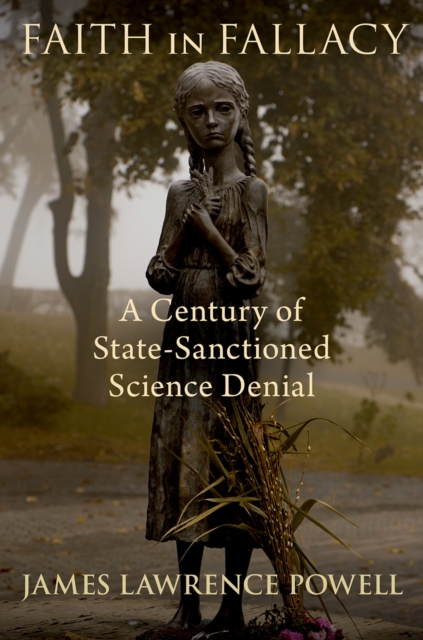
Today, when global warming denial and vaccination denial are alarmingly prevalent, it is crucial to understand that throughout history, science denial at the state level has cost scores of millions of lives.
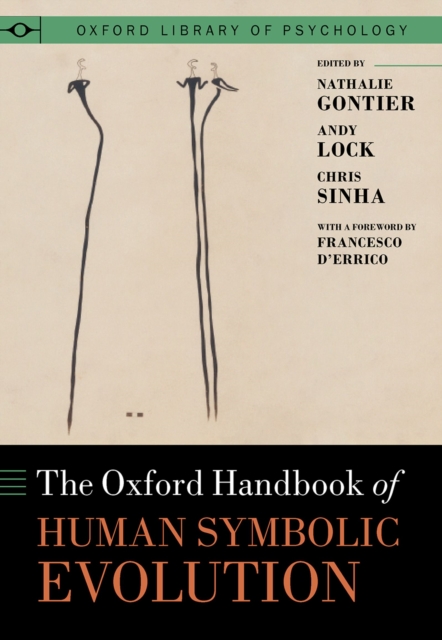
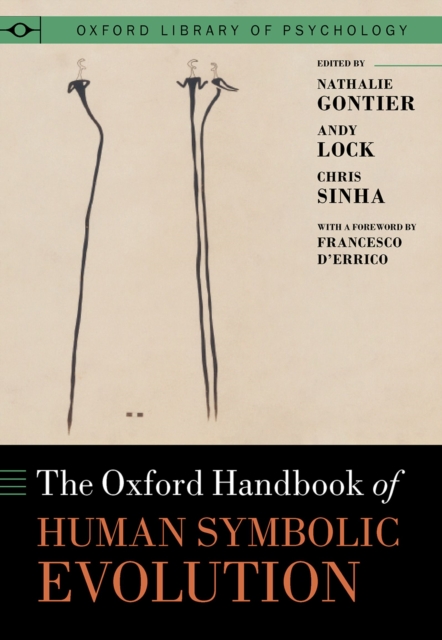
The biological and neurological capacity to symbolize, and the products of behavioral, cognitive, sociocultural, linguistic, and technological uses of symbols (symbolism), are fundamental to every aspect of human life.
The biological and neurological capacity to symbolize, and the products of behavioral, cognitive, sociocultural, linguistic, and technological uses of symbols (symbolism), are fundamental to every aspect of human life.
Author of Wall Street Journal Bestseller Ultralearning explores why it's so difficult for people to learn new skills, arguing that three factors must be met to make advancement possible, and offering 12 maxims to improve the way we learn.
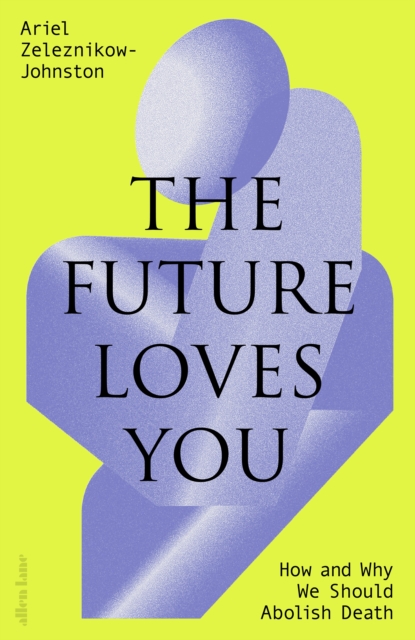
A brilliant young neuroscientist explains how to preserve our minds indefinitely, enabling future generations to choose to revive usJust as surgeons once believed pain was good for their patients, some argue today that death brings meaning to life.
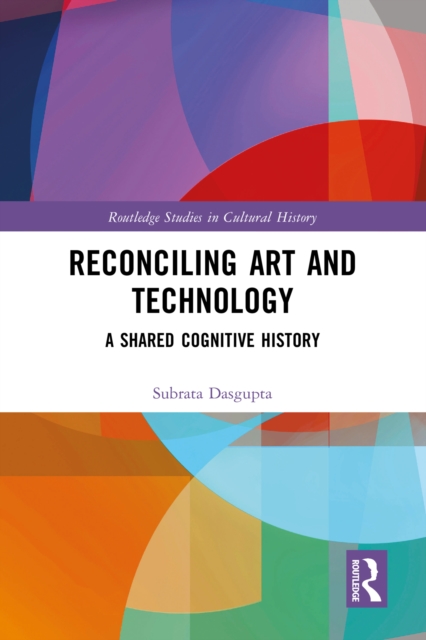
This book examines two venerable cultures, art and technology, and uses the young "e;interdiscipline"e; of cognitive history combined with case studies of both ancient and modern artifacts to explore, and unveil, some of the bridges by which this reconciliation of two seemingly distant and oppositional cultures can be effected.
This book examines how predicting the future based on analytical and empirical models is essential for our species' survival, stable organization, and well-being.
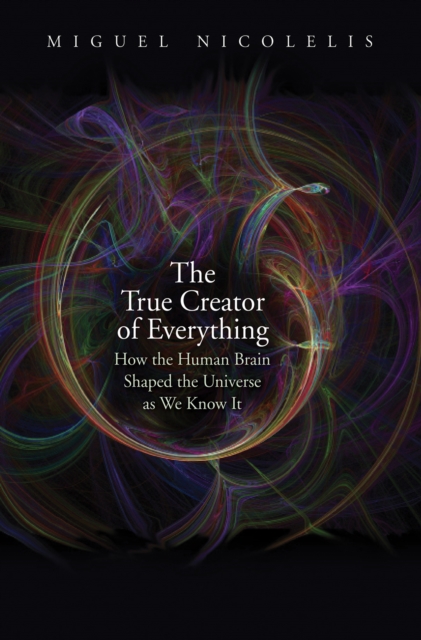
A radically new cosmological view from a groundbreaking neuroscientist who places the human brain at the center of humanity’s universe Renowned neuroscientist Miguel Nicolelis introduces a revolutionary new theory of how the human brain evolved to become an organic computer without rival in the known universe.
A radically new cosmological view from a groundbreaking neuroscientist who places the human brain at the center of humanity’s universe Renowned neuroscientist Miguel Nicolelis introduces a revolutionary new theory of how the human brain evolved to become an organic computer without rival in the known universe.
This book examines two venerable cultures, art and technology, and uses the young "e;interdiscipline"e; of cognitive history combined with case studies of both ancient and modern artifacts to explore, and unveil, some of the bridges by which this reconciliation of two seemingly distant and oppositional cultures can be effected.
This book examines how predicting the future based on analytical and empirical models is essential for our species' survival, stable organization, and well-being.
An extended argument that cognitive phenomena—perceiving, imagining, remembering—can be best explained in terms of an interface between contentless and content-involving forms of cognition.
An extended argument that cognitive phenomena—perceiving, imagining, remembering—can be best explained in terms of an interface between contentless and content-involving forms of cognition.