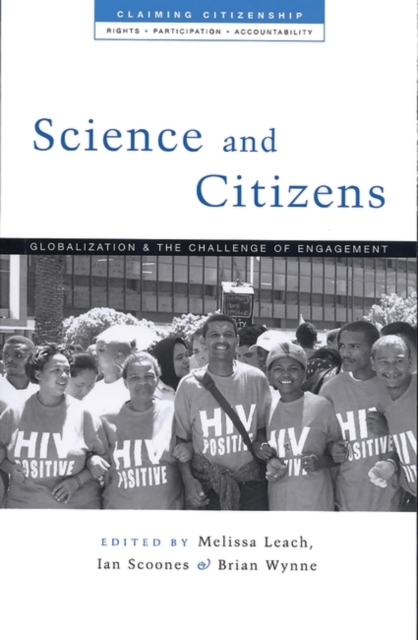
Rapid advances and new technologies in the life sciences - such as biotechnologies in health, agricultural and environmental arenas - pose a range of pressing challenges to questions of citizenship.
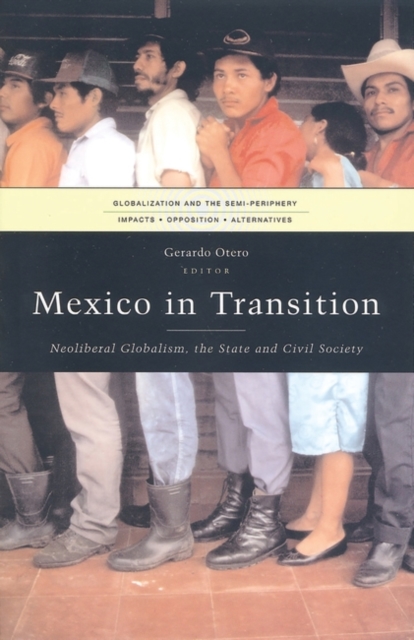
Mexico in Transition provides a wide-ranging, empirical and up-to-date survey of the multiple impacts neoliberal policies have had in practice in Mexico over twenty years, and the specific impacts of the NAFTA Agreement.
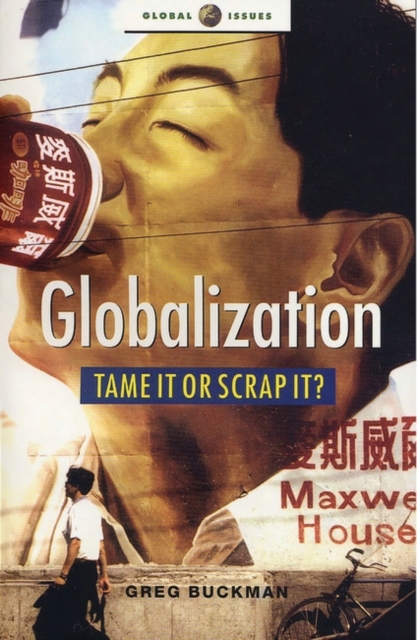
Despite the mounting criticism that globalization is encountering, the developed countries continue to lose no opportunity to change the rules of the global economy in their favour, regardless of the impact on developing countries and the poor.
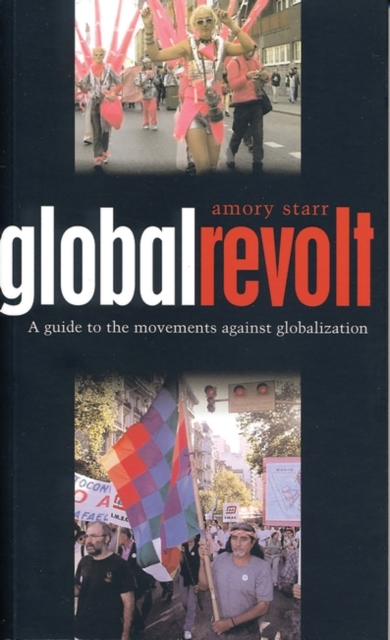
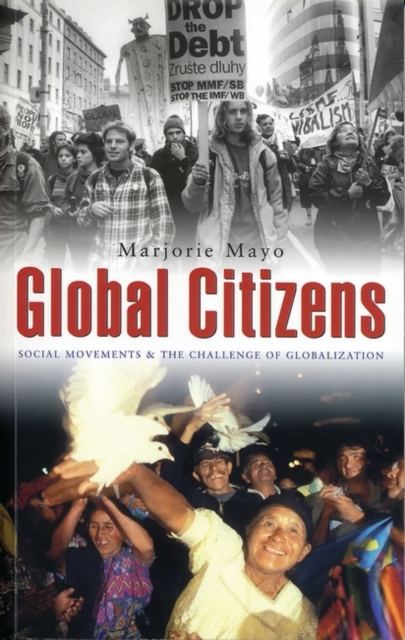
The dawn of the twenty-first century has been accompanied by an upsurge of anti-capitalist campaigning, challenging the very basis of the New World Economic order.
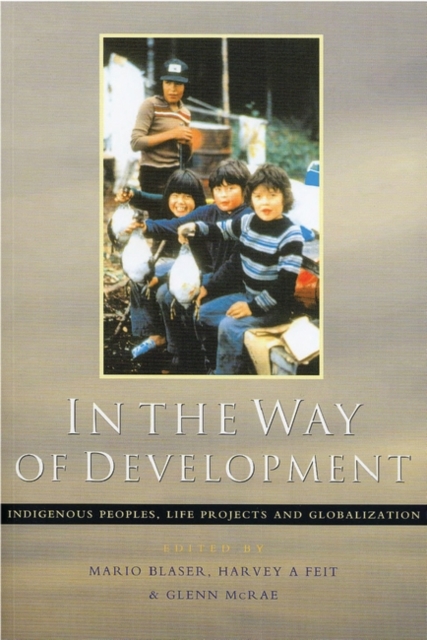
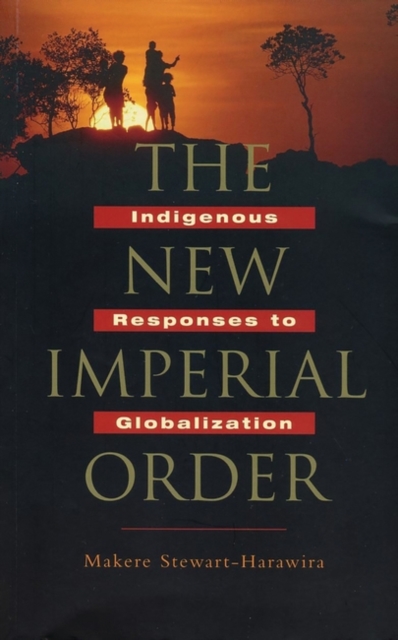
A collaboration between indigenous leaders, social activists and scholars from a wide range of disciplines, In the Way of Development explores the current situation of indigenous peoples enmeshed in the remorseless expansion of the modern economy.
This important book discusses the political economy of world order and the basic ideological and ontological grounds upon which the emergent global order is based.
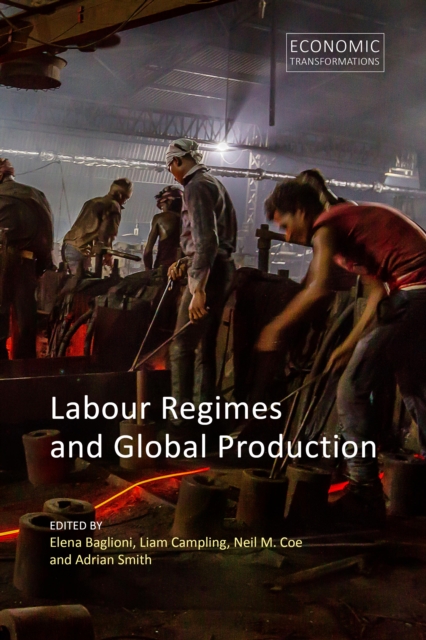
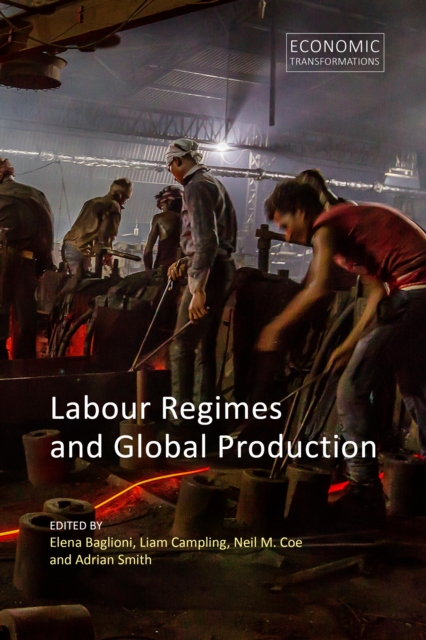
This exciting book provides an illuminating account of contemporary globalisation that is grounded in actual transformations in the areas of production and the workplace.
'Before the current global era it is impossible to imagine that comparable events [like September 11] could have occurred, reflecting as they do our new-found interdependence.
A remedy for the gap between micro and macro data, making measures of inequality and national income consistent with each otherIncreasing inequality, the impact of globalization, and the disparate effects of financial regulation and innovation are extraordinarily important topics that fuel spirited policy debates.
The global spread of transnational mining investment, which has been taking place since the 1990s, has led to often volatile conflicts with local communities.
This exciting collection looks at the theory and practice of legal borrowing and adaptation in different areas of the world: Europe,the USA and Latin America, S.
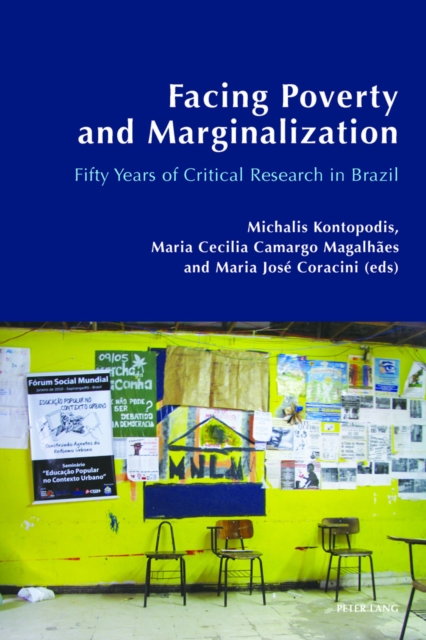
The future in the Global South is viewed and perceived critically, from the inertia of a present that does not offer peace, justice, wealth and happiness, but from a view constructed from poverty, marginality, war and chaos.
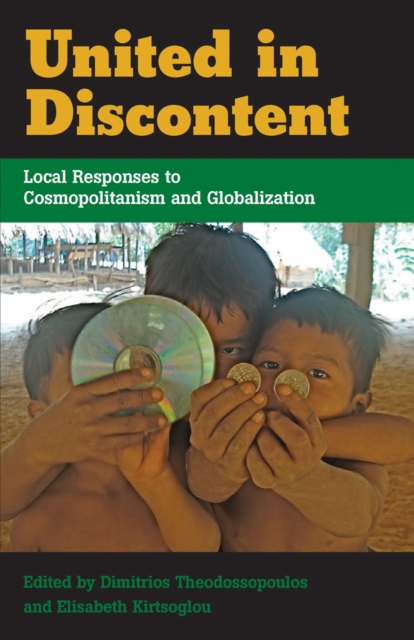
Cosmopolitanism is often discussed in a critical and disapproving manner: as a concept complicit with the interests of the powerful, or as a notion related to Western political supremacy, the ills of globalization, inequality, and capitalist economic penetration.
Despite critical acclaim and a recent surge of popularity with Western audiences, Iranian cinema has been the subject of lamentably few academic studies - and those have by and large been limited to the films and filmmakers most visible on the international film circuit.
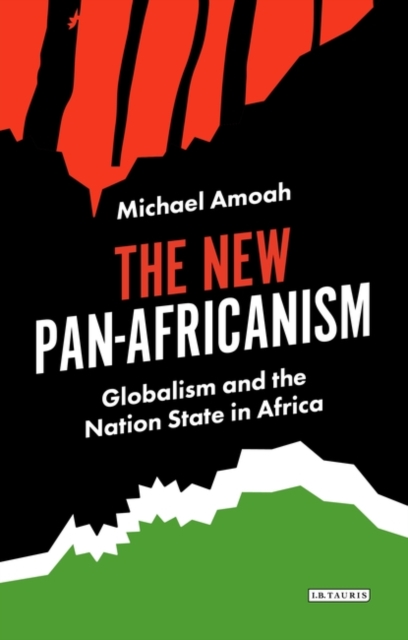
Nationalism and the nation state, globalization and Pan-Africanism are leading international relations concepts which have a particular relevance for Africa as an emerging economic power.
A remedy for the gap between micro and macro data, making measures of inequality and national income consistent with each otherIncreasing inequality, the impact of globalization, and the disparate effects of financial regulation and innovation are extraordinarily important topics that fuel spirited policy debates.
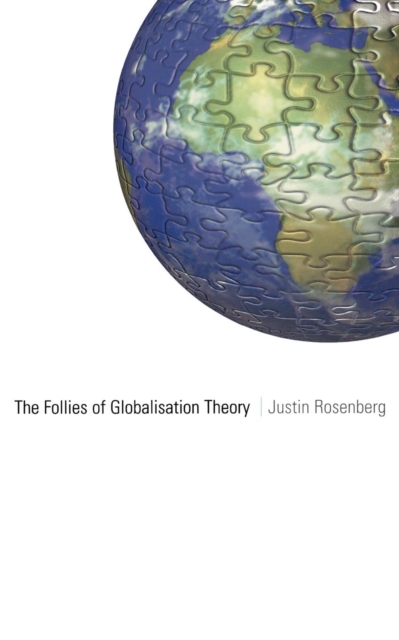
The Follies of Globalisation Theory is an erudite and lively critique arguing that current fashionable preoccupations, such as the concern with spatiality, have generated deep intellectual confusions that stand in the way of a clear understanding of the modern world.
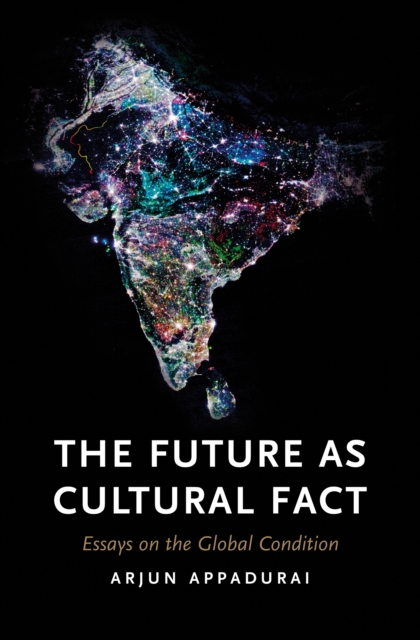
This major collection of essays, a sequel to Modernity at Large and Fear of Small Numbers, is the product of ten years' research and writing, constituting an important contribution to globalization studies.
In recent years, the effects of economic openness and technological change have fuelled dissatisfaction with established political systems and led to new forms of political populism that exploit the economic and political resentment created by globalization.
In recent years, the effects of economic openness and technological change have fuelled dissatisfaction with established political systems and led to new forms of political populism that exploit the economic and political resentment created by globalization.
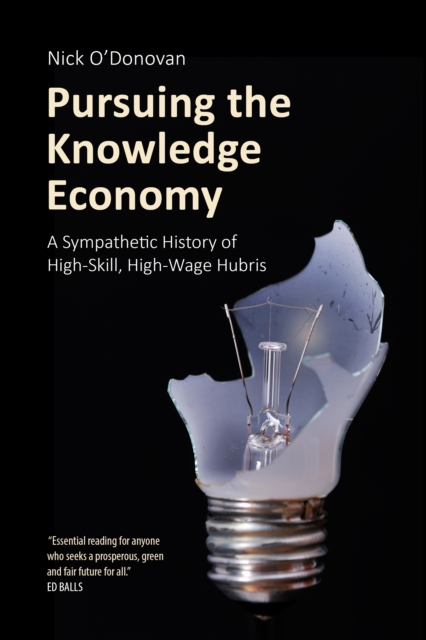
In the 1990s, the "e;knowledge economy"e; was hailed by policy-makers in developed democracies as an antidote to the anxieties arising from the era of market liberalization - an era characterized by the decline of skilled blue-collar work, increasing levels of social exclusion and widening regional inequality.
In the 1990s, the "e;knowledge economy"e; was hailed by policy-makers in developed democracies as an antidote to the anxieties arising from the era of market liberalization - an era characterized by the decline of skilled blue-collar work, increasing levels of social exclusion and widening regional inequality.