One of the world's most brilliant economists and the bestselling author of The End of Poverty and Common Wealth, Jeffrey Sachs has written a book that is essential reading for everyone.
International trade has shaped the modern world, yet until now no single book has been available for both economists and general readers that traces the history of the international economy from its earliest beginnings to the present day.
Reviving the Invisible Hand is an uncompromising call for a global return to a classical liberal economic order, free of interference from governments and international organizations.
A World Beyond Difference unpacks the globalization literature and offers a valuable critique: one that is forthright, yet balanced, and draws on the local work of ethnographers to counter relativist and globalist discourses.
Seeking reason in the impassioned globalization debate, de la Dehesa examines who stands to win and who stands to lose from the process of globalization, in a style accessible to readers unfamiliar with economic theory.
This important contribution to the study of the problem of order, which figures prominently in today's globalization debate, focuses on the role of sovereignty.
The book explains the social forces, forms of consciousness and structural constraints that undermined Apartheid, preserved national unity and yet, later constrained democratic sovereignty, as the imperatives of global markets clashed with the prior aspirations of the democratic revolution.
This book renders an uncompromising verdict on the 'scourge' of our millennium: modernism, itself the artifact of certain late Eurocentric propensities.
In the wake of globalization, international management has gained importance as a decisive element behind the success of a business enterprise, however little is known about the collective strategies between two foreign firms in an overseas market.
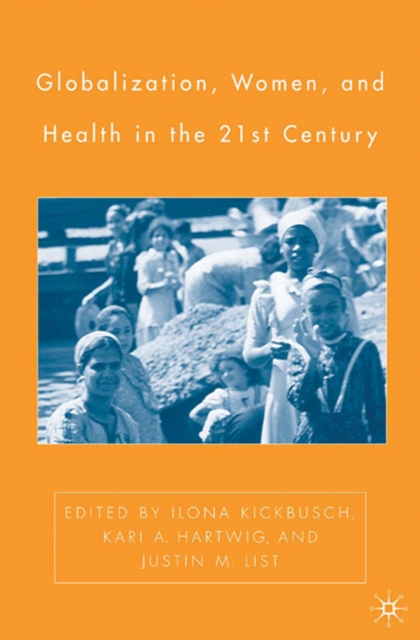
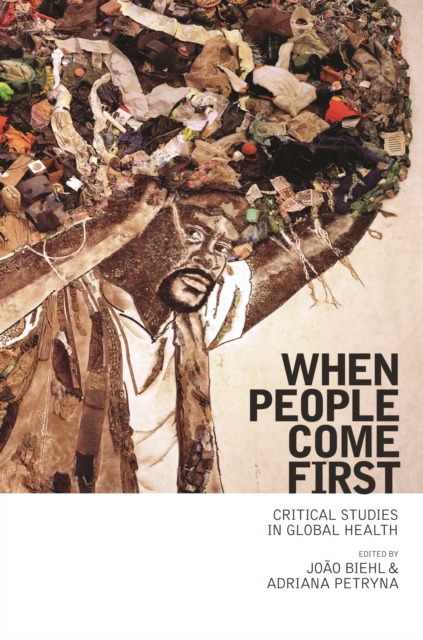
There is widespread recognition that globalization is changing the world around us, but so far there has been no systematic analysis of how it is impacting on human health.
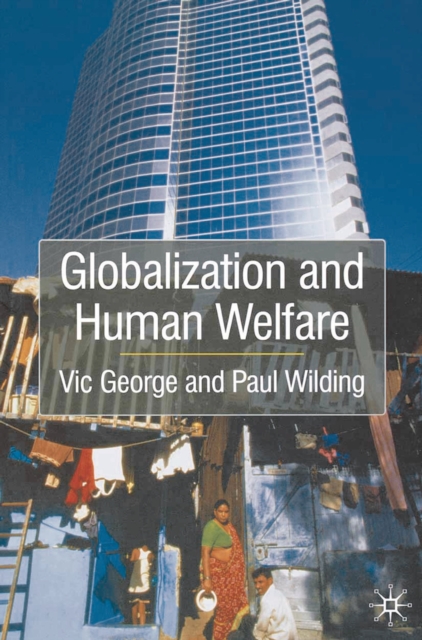
This thematically structured text offers an ideal introduction to the positive and negative effects of globalization on human welfare in industrial and developing societies.
How to better manage systemic risks-from cyber attacks and pandemics to financial crises and climate change-in a globalized worldThe Butterfly Defect addresses the widening gap between the new systemic risks generated by globalization and their effective management.
A Nobel Prize-winning economist tells the remarkable story of how the world has grown healthier, wealthier, but also more unequal over the past two and half centuriesThe world is a better place than it used to be.
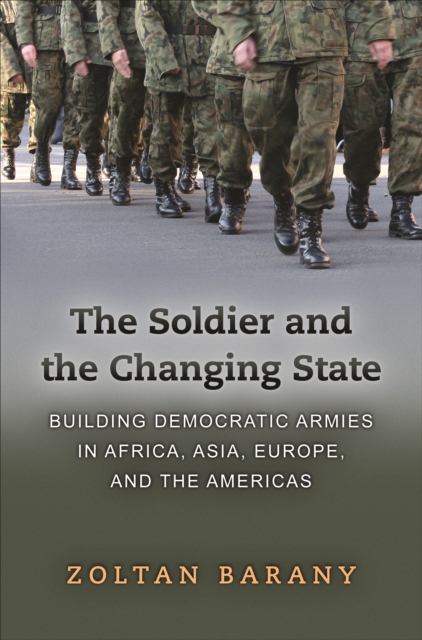
The Soldier and the Changing State is the first book to systematically explore, on a global scale, civil-military relations in democratizing and changing states.
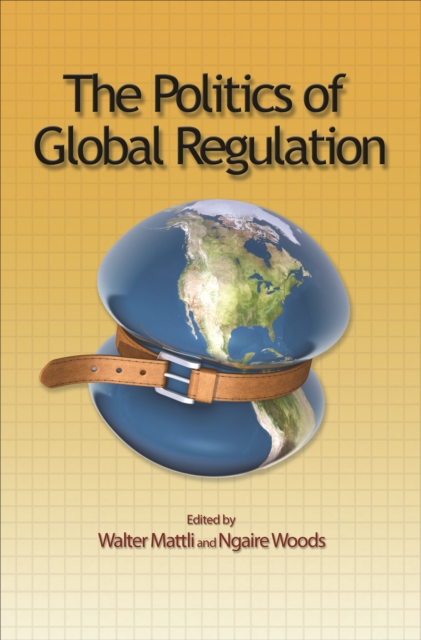
Global private regulations-who wins, who loses, and whyOver the past two decades, governments have delegated extensive regulatory authority to international private-sector organizations.
Regulation by public and private organizations can be hijacked by special interests or small groups of powerful firms, and nowhere is this easier than at the global level.
What the struggle over the Indonesian rainforests can teach us about the social frictions that shape the world around usRubbing two sticks together produces heat and light while one stick alone is just a stick.
International trade has shaped the modern world, yet until now no single book has been available for both economists and general readers that traces the history of the international economy from its earliest beginnings to the present day.
Is it possible to identify the positive and negative effects of globalization on religious tourism or to estimate the transformation of the internal and external constructs of pilgrimage by these effects?
The Soldier and the Changing State is the first book to systematically explore, on a global scale, civil-military relations in democratizing and changing states.
What the struggle over the Indonesian rainforests can teach us about the social frictions that shape the world around usRubbing two sticks together produces heat and light while one stick alone is just a stick.
International migration and mobility whether from outside the EU or in the form of free movement by EU citizens are controversial and potentially divisive issues that are and will remain at the top of the EU's political agenda.
Said Nursi (1877-1960) was an advocate of a form of Islam strongly committed to non-violence and constructive engagement with the West and Christianity.
Said Nursi (1877-1960) was an advocate of a form of Islam strongly committed to non-violence and constructive engagement with the West and Christianity.
This completely revised and updated sequel to Globalization and Antiglobalization advances our understanding of the dynamics of neoliberal globalization and draws our attention towards efforts to construct 'another world' beyond neoliberalism.
This completely revised and updated sequel to Globalization and Antiglobalization advances our understanding of the dynamics of neoliberal globalization and draws our attention towards efforts to construct 'another world' beyond neoliberalism.