Drawing on Tibetan, Hindu, Taoist, Christian and Kabbalistic traditions, Andrew Harvey shows why he believes the direct path is now essential to the future survival of humanity - and how the truth and vibrancy of this radical vision depends on reclamation of the Sacred Feminine.
An innovative and accessible textbook on multimethod and case-study researchMultimethod research has become indispensable to doing social science, and is essential to anyone who conducts large-scale research projects in political science, sociology, education, comparative law, or business.
A new and comprehensive look at the reasons behind successful or failed nation buildingNation Building presents bold new answers to an age-old question.
Now in paperback: the bestselling author of Gods Politics revives our hope in a politics that reflects our highest common values and offers a roadmap for solving our biggest social problems.
This book looks at the political reintegration of armed groups after civil wars and the challenges of transforming 'rebel', 'insurgent' or other non-state armed groups into viable political entities.
This book looks at the political reintegration of armed groups after civil wars and the challenges of transforming 'rebel', 'insurgent' or other non-state armed groups into viable political entities.
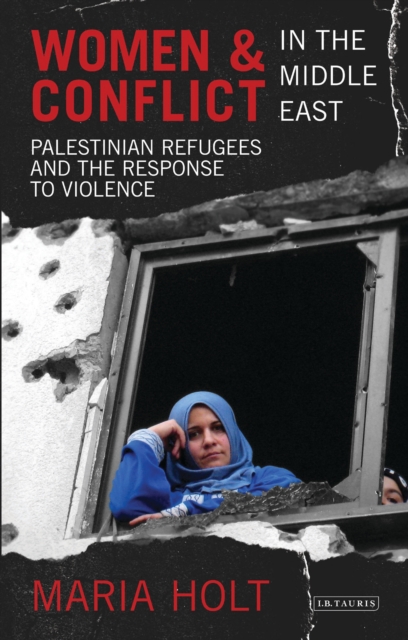
Women in conflict zones face a wide range of violence from a variety of sources: from physical and psychological trauma to political, economic and social disadvantage.
South Africa came late to television; when it finally arrived in the late 1970s the rest of the world had already begun to boycott the country because of apartheid.
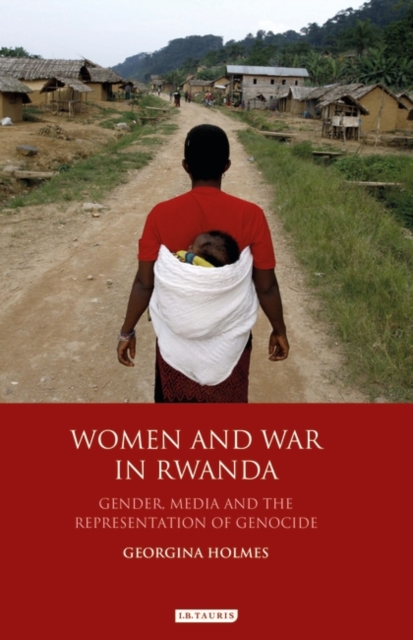
Focusing on television media reporting of the 1994 genocide in Rwanda and its aftermath, this book explores how African states directly involved in conflict, western states with geopolitical interests in Africa's Great Lakes region, militia groups, human rights activists and NGOs use gendered media narratives strategically, often engaging in politics of revisionism and denial, to change the behaviour of other actors in the international system.
La restitución de tierras despojadas y abandonadas es uno de los esfuerzos más importantes del Estado colombiano, en la búsqueda de una solución duradera a la crisis humanitaria que causó el conflicto armado y el restablecimiento de los derechos de las víctimas.
In this accessible and important follow up to The Art of Happiness His Holiness the Dalai Lama teaches us how to live a happier and more spiritual life by fostering compassion and wisdom.
Why populations brutalized in war elect their tormentorsOne of the great puzzles of electoral politics is how parties that commit mass atrocities in war often win the support of victimized populations to establish the postwar political order.
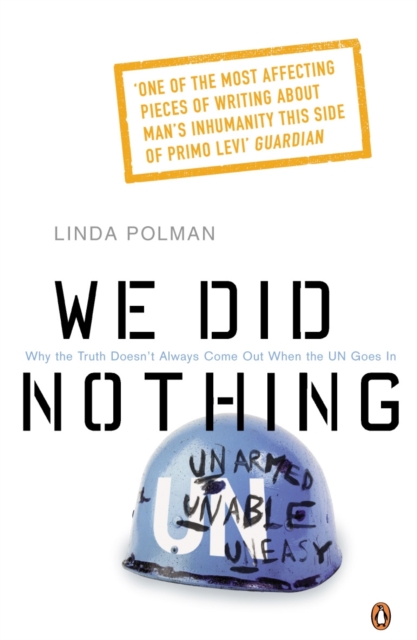
Linda Polman's We Did Nothing: Why the truth doesn't always come out with the UN goes in is an eye-opening account of peace-keeping operations across the globe.
This book examines how narratives of communal conflicts in south India affect Muslims, women, and the lower castes, entrenching complex realities of marginalisation and violence.
When President Clinton sent Richard Holbrooke to Bosnia as America''s chief negotiator in late 1995, he took a gamble that would eventually redefine his presidency.
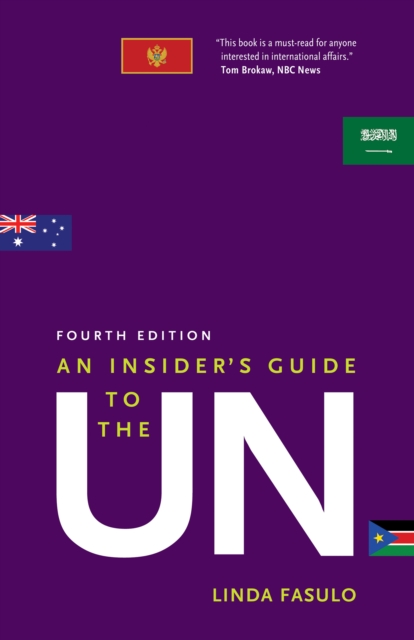
Thoroughly revised and updated, a new edition of the most popular guide to the UN for students and interested readers Prominent NPR journalist Linda Fasulo's guide to the United Nations has established a reputation as the most lively, authoritative, and insightful book on its subject.
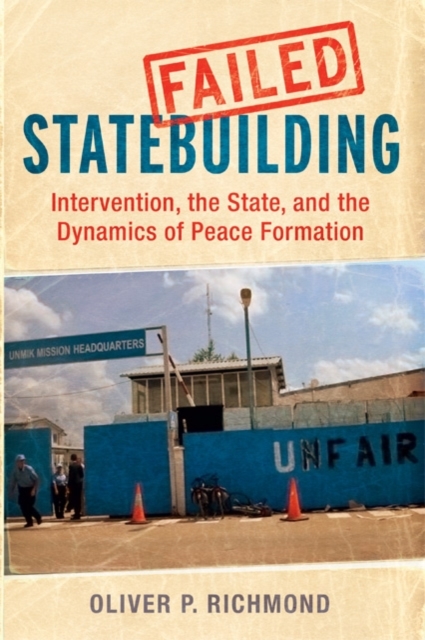
Western struggles-and failures-to create functioning states in countries such as Iraq or Afghanistan have inspired questions about whether statebuilding projects are at all viable, or whether they make the lives of their intended beneficiaries better or worse.
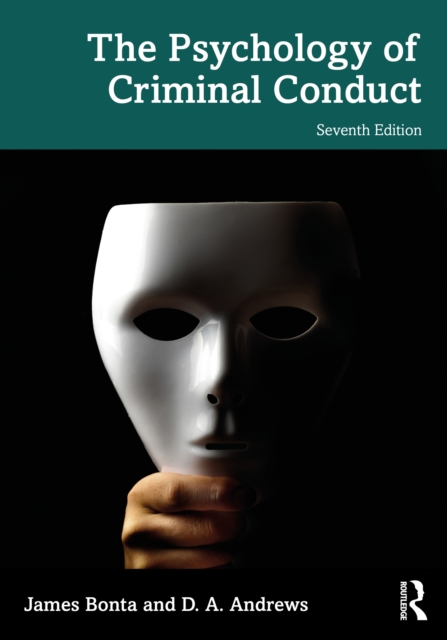
The Psychology of Criminal Conduct, Seventh Edition, provides a psychological and evidence-informed perspective of criminal behavior that sets it apart from many criminological and mental health explanations of criminal behavior.
Though scholars of political science and moral philosophy have long analyzed the justifications for and against waging war as well as the ethics of warfare itself, the problem of ending wars has received less attention.
A thought-provoking revelation of the ways ordinary people-conquerors and conquered, imperialists and the colonized, Christians, Jews, and Muslims-think about war and peace.
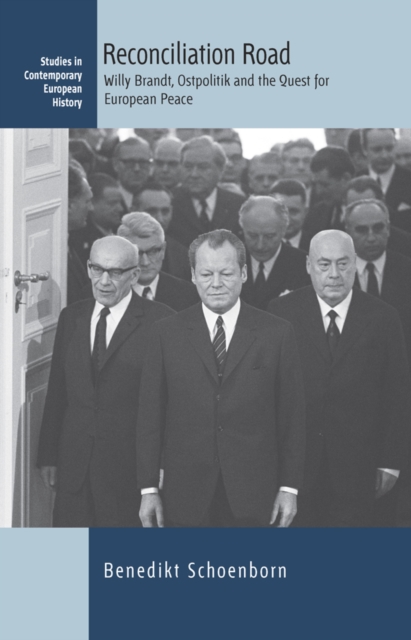
Among postwar political leaders, West German Chancellor Willy Brandt played one of the most significant roles in reconciling Germans with other Europeans and in creating the international framework that enabled peaceful reunification in 1990.
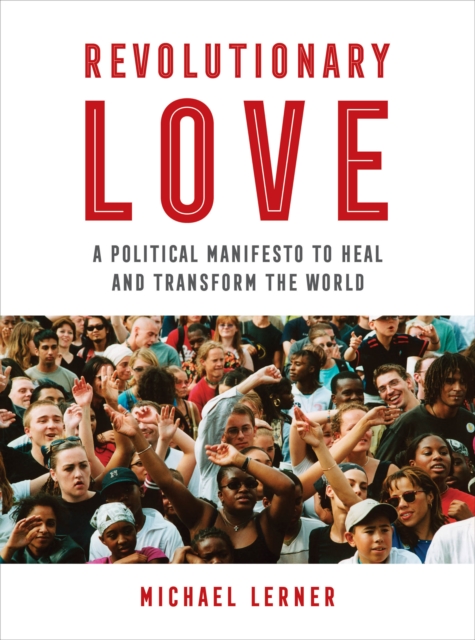
From social theorist and psychotherapist Rabbi Michael Lerner comes a strategy for a new socialism built on love, kindness, and compassion for one another.