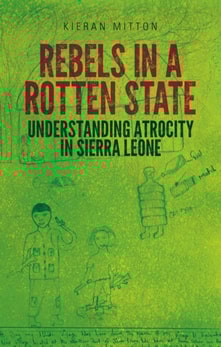
In the international press, East Africa is depicted as a region mired in civil war, child abduction, rebel militias, Muslim-Christian violence, and grinding poverty.
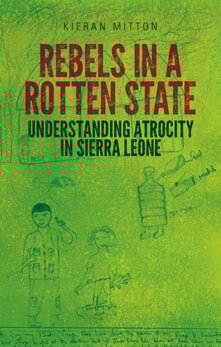
In the international press, East Africa is depicted as a region mired in civil war, child abduction, rebel militias, Muslim-Christian violence, and grinding poverty.
Habeas Corpus in Wartime unearths and presents a comprehensive account of the legal and political history of habeas corpus in wartime in the Anglo-American legal tradition.
Problem-solving courts provide judicially supervised treatment for behavioral health needs commonly found among criminal offenders, including substance abuse and mental health disorders, and they treat a variety of offender populations.
Problem-solving courts provide judicially supervised treatment for behavioral health needs commonly found among criminal offenders, including substance abuse and mental health disorders, and they treat a variety of offender populations.
The United Nations Peacebuilding Commission (UNPBC) was established in December 2005 to develop outlines of best practice in post-conflict reconstruction, and to secure the political and material resources necessary to assist states in transition from conflict to peacetime.
The idea of studying peace has gained considerable traction in the past few years after languishing in the shadows of conflict for decades but how should it be studied?
The idea of studying peace has gained considerable traction in the past few years after languishing in the shadows of conflict for decades but how should it be studied?
Given that persons typically have a right not to be subjected to the hard treatment of punishment, it would seem natural to conclude that the permissibility of punishment is centrally a question of rights.
Although the issue of offender decision-making pervades almost every discussion of crime and law enforcement, only a few comprehensive texts cover and integrate information about the role of decision-making in crime.
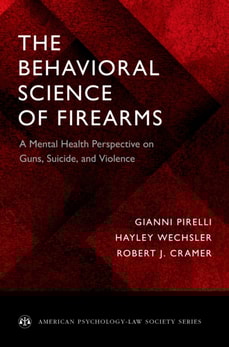
The Behavioral Science of Firearms focuses on applying behavioral science principles and knowledge to inform and improve firearm-related policy, practice, and research.
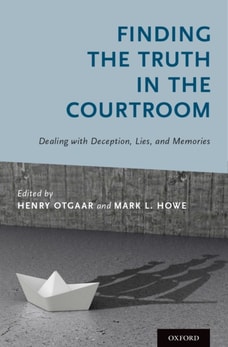
In many criminal trials, forensic technical evidence is lacking and triers of fact must rely on the reliability of eyewitness statements, identifications, and testimony; however, such reports can be riddled with deceptive statements or erroneous recollections.
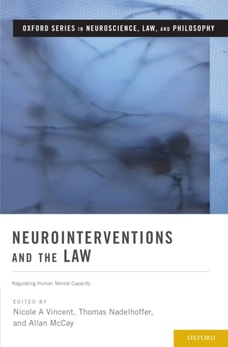
This volume makes a contribution to the field of neurolaw by investigating issues raised by the development, use, and regulation of neurointerventions.
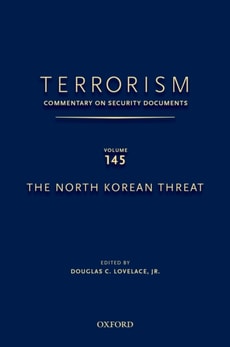
Terrorism: Commentary on Security Documents is a series that provides primary source documents and expert commentary on various topics relating to the worldwide effort to combat terrorism, as well as efforts by the United States and other nations to protect their national security interests.
Terrorism: Commentary on Security Documents is a series that provides primary source documents and expert commentary on various topics relating to the worldwide effort to combat terrorism, as well as efforts by the United States and other nations to protect their national security interests.
Terrorism: Commentary on Security Documents is a series that provides primary source documents and expert commentary on various topics relating to the worldwide effort to combat terrorism, as well as efforts by the United States and other nations to protect their national security interests.
This volume makes a contribution to the field of neurolaw by investigating issues raised by the development, use, and regulation of neurointerventions.
Passed in 2000, the United Nations Security Council Resolution 1325 and subsequent seven Resolutions make up the Women, Peace, and Security (WPS) agenda.
Passed in 2000, the United Nations Security Council Resolution 1325 and subsequent seven Resolutions make up the Women, Peace, and Security (WPS) agenda.
The Behavioral Science of Firearms focuses on applying behavioral science principles and knowledge to inform and improve firearm-related policy, practice, and research.
In many criminal trials, forensic technical evidence is lacking and triers of fact must rely on the reliability of eyewitness statements, identifications, and testimony; however, such reports can be riddled with deceptive statements or erroneous recollections.