KI-Anwendungen drängen auf breiter Front in das Militär hinein, wodurch sich vielfältige Chancen ergeben (in der Administration, der Krisenfrüherkennung, im militärischen Führungsvorgang, beim Waffeneinsatz, .
In this book, practitioners and students discover perspectives on landscape, place, heritage, memory, emotions and geopolitics intertwined in evolving citizenship and democratization debates.
This book presents a comprehensive overview of Ukraine's nuclear history, beginning from its experiences within the Russian Empire in the early 20th century, through the Soviet period, to the emergence of Ukraine as an independent state that inherited the world's third-largest nuclear arsenal.
This book analyses the institutional development that the Peruvian state has undergone in recent years within a context of rapid extractive industry expansion.
The book offers new insights into how ethnicity, language and regional-local identity interact within the context of Ukrainian political reform, and indicates how these reforms affect social cohesion among ethno-cultural groups.
This book is concerned with the role that communication - understood as including both the factual and fictional mass media as well as the performative and visual arts - can play in post-civil war peacebuilding.
This book documents the political ecosystem that legitimized violent military action against military-age males in US military operations after September 11, 2001.
This edited collection of first-person stories about risk in the field offers an arsenal of practical examples where fieldworkers have attempted to negotiate the complexities and risks of field research.
This comprehensively updated second edition provides an introduction to the political, normative, technological and strategic aspects of nuclear weaponry.
Peace and War: Historical, Philosophical, and Anthropological Perspectives is an accessible, higher-level critical discussion of philosophical commentaries on the nature of peace and war.
This book presents an unprecedented qualitative research study on relational changes in mediation with a truly interdisciplinary outset, drawing on the literature on psychology, alternative dispute resolution and business.
This book investigates the forgotten years of Kurdish nationalism in Iran, from the fall of the Kurdish republic to the advent of the Iranian revolution.
This edited collection develops a gendered lens for genocide prevention by uncovering socially constructed gender roles which are crucial for the onset, form and prevention of genocide and mass atrocities.
This book provides a critical examination of NATO's evolving strategic and operational roles in the Western Balkans since the disintegration of Yugoslavia in 1991, with a particular focus on Bosnia, Kosovo and the former Yugoslav Republic of Macedonia, in both the conflict and post-conflict phases.
In this book, Tale Steen-Johnsen explains how religious peacebuilders are limited by both formal and more subtle political strategies aimed at regulating civil society.
By examining Libya's security architecture before and after the North Atlantic Treaty Organization (NATO) intervention in 2011, this book aims to answer three questions.
This innovative volume gathers some of the world's best scholars to analyse the world's collective international efforts to address globalised threats through global security governance.
This book examines the radical changes in social and political landscape of the Upper Guinea Coast region over the past 30 years as a result of civil wars, post-war interventions by international, humanitarian agencies and peacekeeping missions, as well as a regional public health crisis (Ebola epidemic).
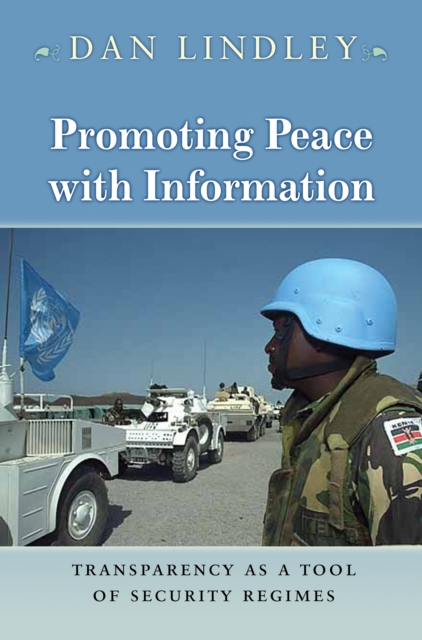
It is normally assumed that international security regimes such as the United Nations can reduce the risk of war by increasing transparency among adversarial nations.
Although religion is almost never a root cause, it often gets pulled into conflict as a powerful element, especially where conflicting parties have different religious identities.
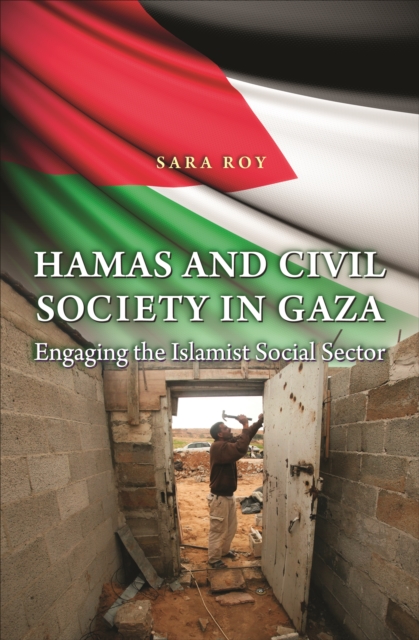
A revealing look at Islamic social institutions in Gaza and the West BankMany in the United States and Israel believe that Hamas is nothing but a terrorist organization, and that its social sector serves merely to recruit new supporters for its violent agenda.
This book highlights the repeated refusal of post-genocide Rwandan refugees to return 'home' and why even high-profile government officials continue to flee to this day.
This book presents a critical review of the performance of UN Peacekeeping with its changing scope from traditional peacekeeping to peacemaking and peace building.
This book looks at the theoretical issue of how a democracy can defend itself from those wishing to subvert or destroy it without being required to take measures that would impinge upon the basic principles of the democratic idea.