This book addresses the human civilizational ethos and explores the concept of the nonkilling paradigm concerning human dignity, human rights, affirmative nonkilling, positive peace and the advancement of human existence.
This book analyses social conflict among fishers in Indonesia by implementing class theory, thus adopting a new approach to analysing fishers' conflicts in Indonesia.
This book, as the first exploration of suicide in Peace and Conflict Studies (PACS), illustrates the scarcity of suicide research in the discipline and argues that the leading cause of violent death worldwide is a multifaceted phenomenon that needs to be fully comprehended as a significant and often preventable form of world-wide violence.
This book is devoted to taking a lead in establishing a multi-disciplinary and inter-disciplinary platform for exchanging fresh thinking in the field of strategic studies.
This book discusses the various critical dimensions of the Qatar Crisis as a development that has fundamentally reshaped the nature of regional integration for the near future.
The world abounds with conflicts and the associated communication practices and technologies that perpetuate and contest conflict as it occurs in place.
This book critically examines the possible dilution of the neutrality principle of the International Committee of the Red Cross (ICRC) in internal armed conflicts.
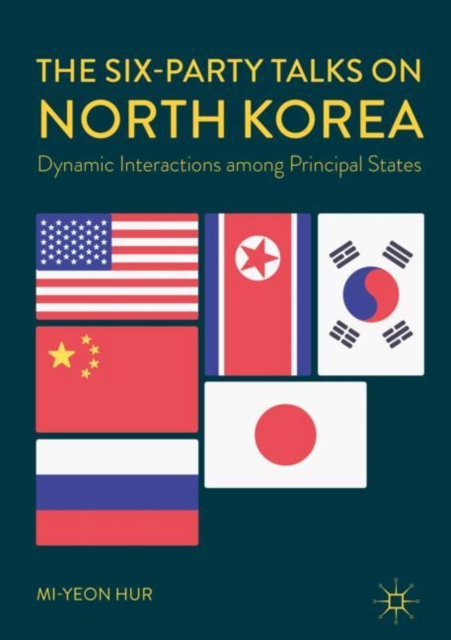
This book brings Korea's finest foreign policy minds together in contemplating the risks and rewards of finally ending the 70 year stalemate between North and South Korea through reunification.
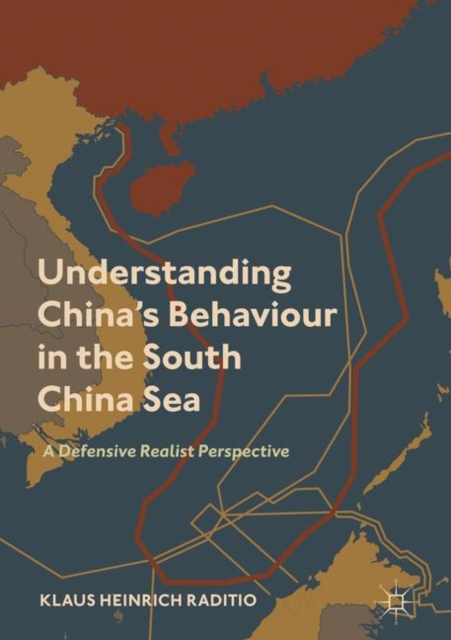
This book analyses the origins of security dilemmas in the South China Sea (SCS) and the significance of China's actions in asserting its claim from the perspective of defensive realist theory.
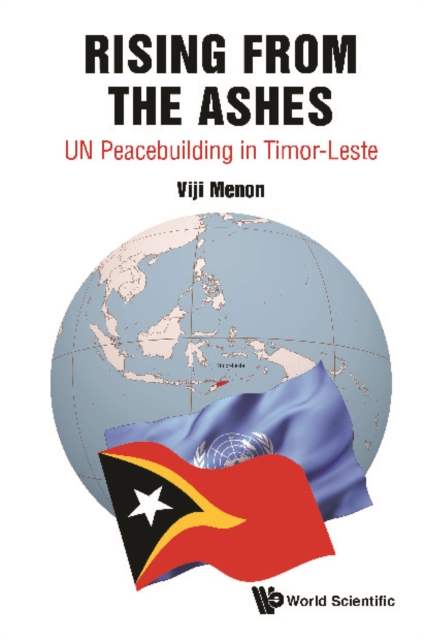
This book, Rising from the Ashes: UN Peacebuilding in Timor-Leste, provides an in-depth look into the UN's first experiment in governing and building peace in the aftermath of conflict, using East Timor as a case study.
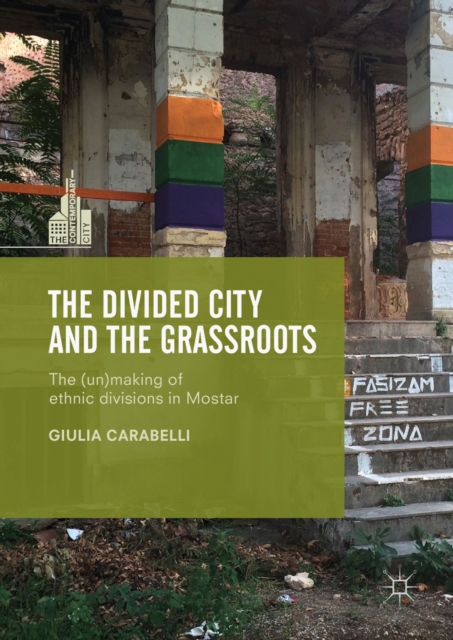
Focusing on Mostar, a city in Bosnia Herzegovina that became the epitome of ethnic divisions during the Yugoslav wars, this cutting edge book considers processes of violent partitioning in cities.
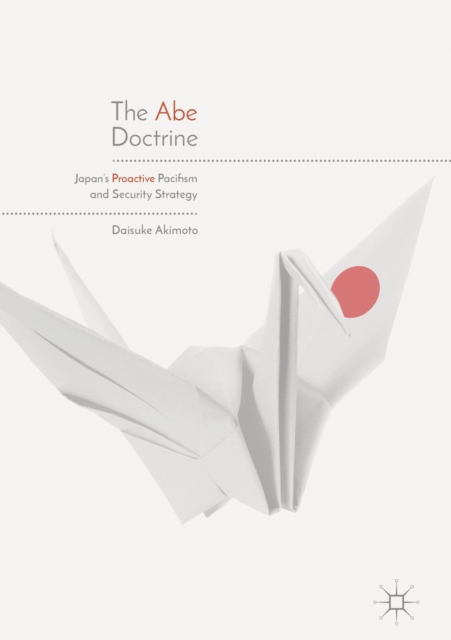
This book focuses on Prime Minister Abe's policy toward international peace and security proposed in 2013 under the basic principle of 'proactive contribution to peace'.
This book highlights the repeated refusal of post-genocide Rwandan refugees to return 'home' and why even high-profile government officials continue to flee to this day.
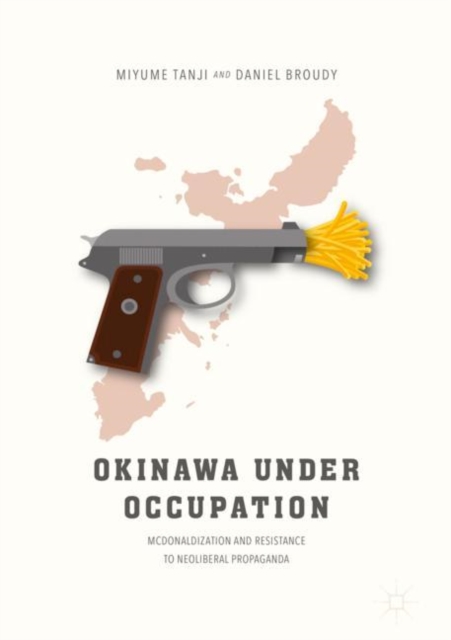
This book examines classical and modern interpretations of education in the context of contemporary Okinawa as a site of neoliberal military-industrial development.
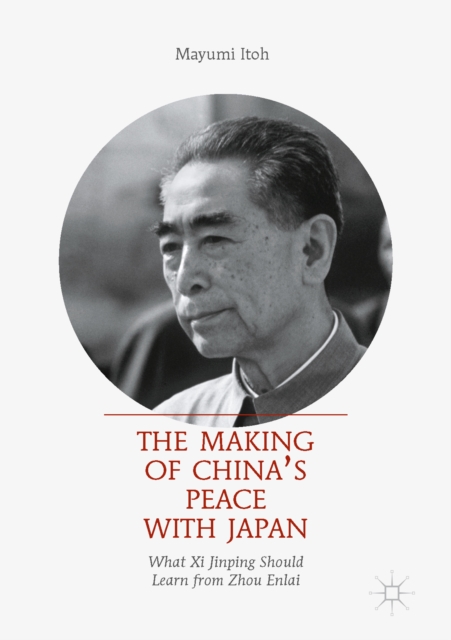
This text provides a comprehensive re-examination of post-World War II Sino-Japanese relations, focusing notably on Chinese premier Zhou Enlai's foreign policy toward Japan.
En un pais como Colombia, donde se ha mantenido latente un grave conflicto politico, social y armado, la paz es una necesidad imperiosa; pero no se trata de una paz cualquiera, sino de una de caracter directa como por los efectos inherentes a otras formas de violencia indirectas o encubiertas.
El libro Análisis ideológico de los discursos del proceso de paz en Colombia (2012-2016) hace un recorrido interpretativo por los cientos de palabras que se cruzaron entre los representantes del gobierno de Juan Manuel Santos, incluido él mismo y los voceros de las Farc, a lo largo del Proceso de Paz desarrollado entre 2012 y 2016.
Las paces construidas desde los territorios son resultado de la interacción entre los procesos de reconocimiento/alineamiento estatal, de la presencia de los actores violentos y de las dinámicas de autonomía local.
Rutas del Conflicto, el medio periodístico que ha desarrollado el proyecto "Yo Sobreviví", busca facilitar el acceso a información confiable sobre el conflicto armado en Colombia.
Con esta nueva publicación, muy en el espíritu de nuestro Grupo de estudios interdisciplinario sobre paz, conflicto y posconflicto (JANUS), marcamos el acento sobre un hecho fundamental: cómo cualquier proceso político, económico, social y aún afectivo, la paz tiene sus olvidos y olvidados.
Este estudio de la historia del tiempo presente en el derecho se acerca al tema de la memoria desde una perspectiva interdisciplinar y de los conocimientos situados.
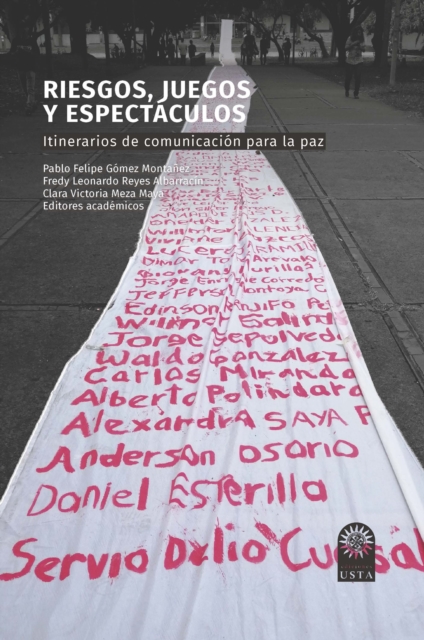
Este libro materializa los resultados de proyectos recientes del grupo de investigación Comunicación, Paz-Conflicto, adscrito a la Facultad de Comunicación Social de la Universidad Santo Tomás y de algunos colaboradores externos, en la comunicación y las ciencias sociales.
La sociología de la paz nace como respuesta a quienes validan teóricamente las salidas por la vía de la fuerza, surge como un sueño, una utopía que se distancia del régimen hegemónico de la guerra, pero, por ello, justamente se basa en la posibilidad de crear la paz desde abajo, desde las bases, desde el corazón.
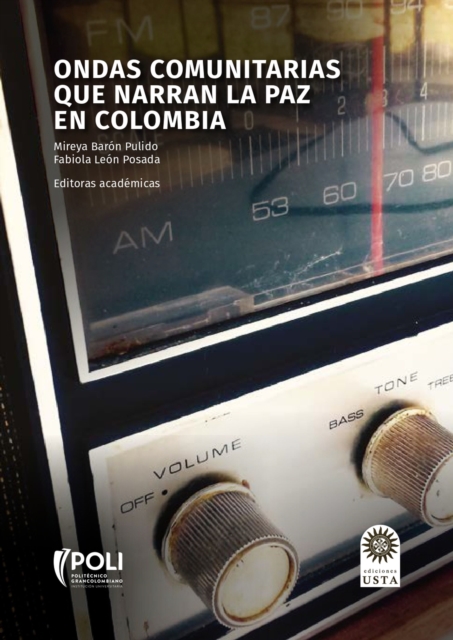
"En esta obra se reconocen algunas de las vivencias que sobre reivindicación de derechos y construcción de una cultura de paz se cuentan, se relatan o se viven desde y en el entorno de la radio comunitaria de siete municipios ubicados en diferentes departamentos y territorios de Colombia, algunos de ellos con una vivencia más cercana y directa del conflicto armado.
Este libro reune importantes reflexiones que dan continuidad a los estudios que se adelantan en Colombia, y particularmente en la region de la Orinoquia, sobre los problemas que genera el conflicto, sus victimas y la atencion del Gobierno en materia de implementacion de los acuerdos de paz.
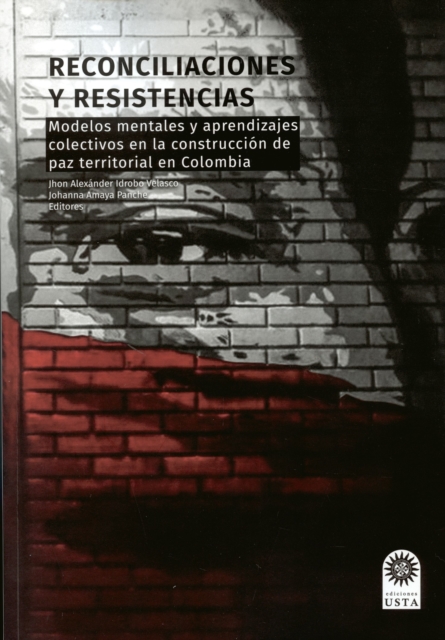
Los procesos de reconciliacion en el escenario de la rehabilitacion posbelica en Colombia y la posibilidad de la construccion de paz territorial emergen de los aprendizajes colectivos junto a las practicas de resistencia y defensa de los territorios.
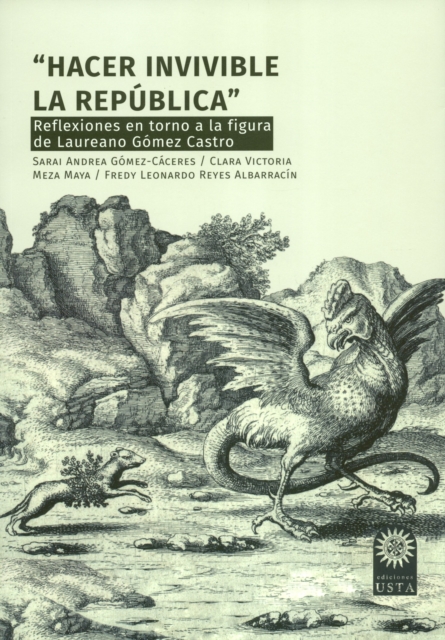
Este libro presenta los resultados obtenidos en el desarrollo de la investigación Expresiones de la violencia,análisis narrativo de la figura de Laureano Gómez Castro, de la Facultad de Comunicación Social de la Universidad Santo Tomás, la cual centró su objetivo en estudiar las narraciones y los sentidos que en torno a la figura de este controvertido líder político conservadorse configuran en distintas materialidades mediáticas: audiovisuales, discursos, cómics y textos periodísticos, literarios y eclesiásticos.
No siempre las politicas, leyes y planes de ordenamiento en Colombia se ajustan a las necesidades de un gran numero de comunidades que se encuentran en situacion de vulnerabilidad frente a la salud, la educacion y la seguridad.
Después de los acuerdos de paz, y en medio de un contexto de posconflicto, la construcción de una cultura para la paz es uno de los mayores desafíos colectivos que se deben asumir desde los centros educativos para sustentar y orientar las acciones previstas en el posacuerdo.
Después de los procesos de paz que ha vivido Colombia en los últimos años, es necesario preguntarse el papel de las memorias y prácticas comunicativas para crear una verdad histórica desde un punto de vista transdisciplinar, que garantice un espacio a las víctimas y los olvidados.