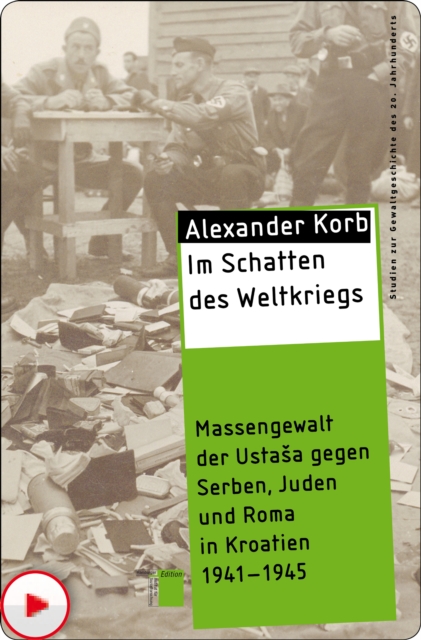
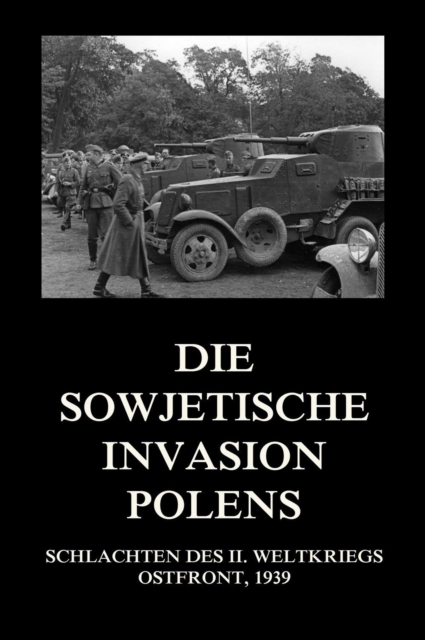
Für die Forschung zur nationalsozialistischen Besatzungspolitik in Polen scheint der Befund eindeutig: Auf einen mit äußerster Brutalität geführten Krieg folgte der von der SS vorangetriebene Versuch, zumindest den annektierten Westen des Landes in einen "Exerzierplatz" rassischer Lebensraumpolitik zu verwandeln, in eine - so Himmler - "blonde Provinz".
Asia continues to assert ist status as a major force in the global economy, as well as a formative influence on several key political, cultural and religious issues now affecting our daily lives.
Der Aufstieg Asiens bestimmt heute die Lage der Weltwirtschaft ebenso wie die großen politischen Fragen der Zeit und viele kulturelle und religiöse Einflüsse, denen wir im Alltag unterliegen.
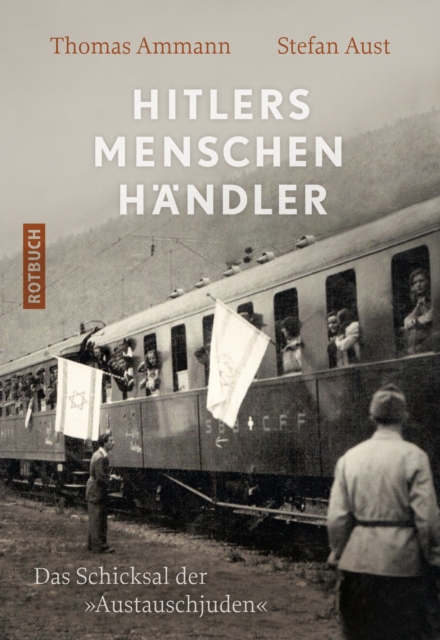
Zwei ungleiche Männer zwischen den Fronten des HolocaustEin Jahr vor Kriegsende, als der Massenmord an den Juden seinen grausamen Höhepunkt erreicht, verhandelt SS-Obersturmbannführer Kurt Becher mit dem jüdischen Unterhändler Rudolf Kasztner über die Freilassung von ungarischen Juden - im Gegenzug sollen die Nazis Geld, Waffen und im Ausland internierte Deutsche erhalten.
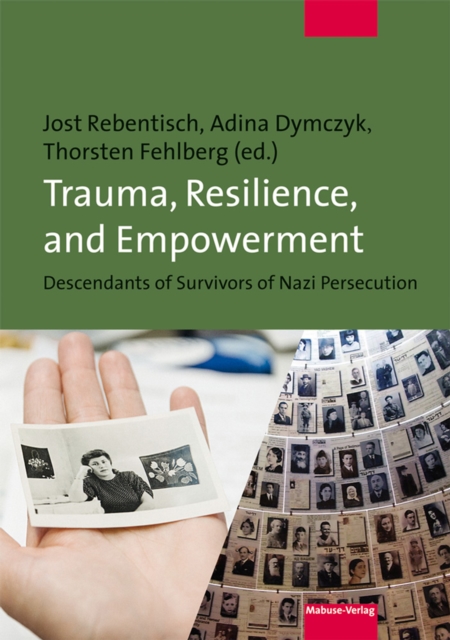
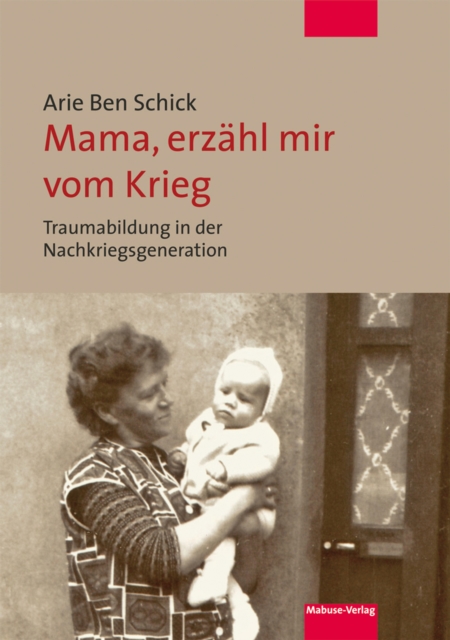
Traumas can be passed from one generation to the next - this is well known - and hardly any group is so affected by this phenomenon as the descendants of people persecuted by the Nazis.
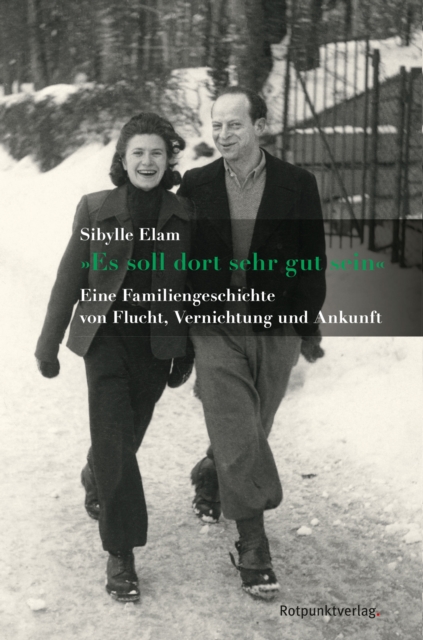
Als Trude Klumak 2005 in Zürich stirbt, findet ihre Tochter Sibylle Elam mehrere Bündel Briefe, darunter die Briefe, die Trudes Großeltern in den Jahren zwischen 1937 und 1942 aus Heilbronn an ihre Enkelin schickten.
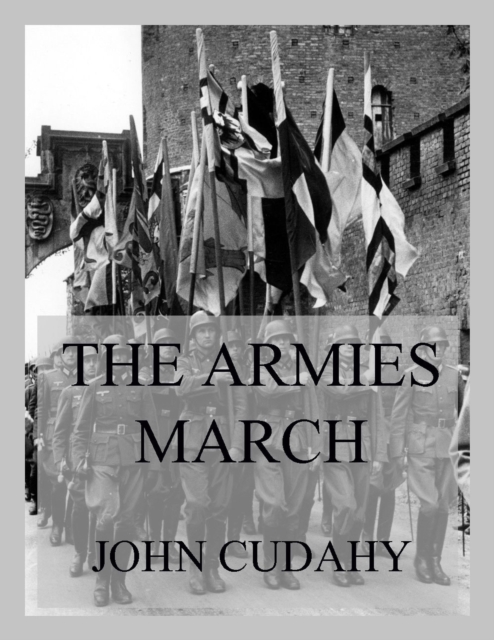
John Cudahy was an American diplomat who served in the years leading up to World War II as United States ambassador to Poland and Belgium, and as United States minister to Luxembourg and the Irish Free State.
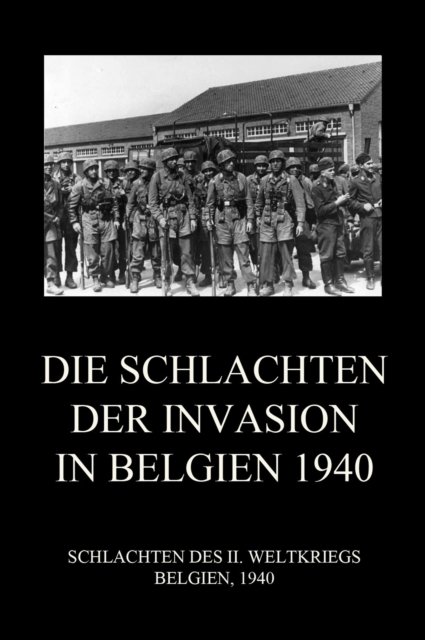
Die Invasion Belgiens durch die deutsche Wehrmacht, in Belgien oft als der "18-Tage-Feldzug" bezeichnet , war Teil der Schlacht um Frankreich, einer Offensive Deutschlands während des Zweiten Weltkriegs.
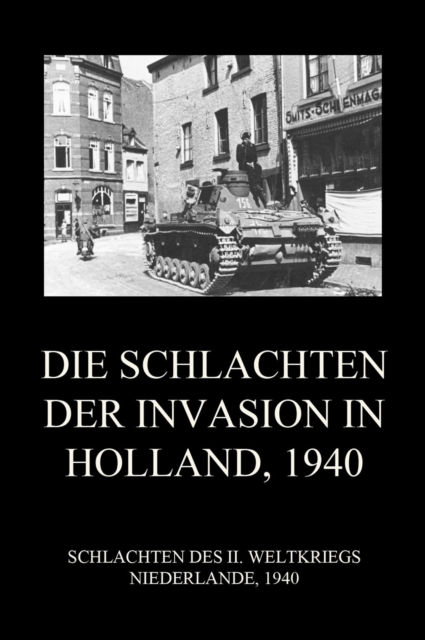
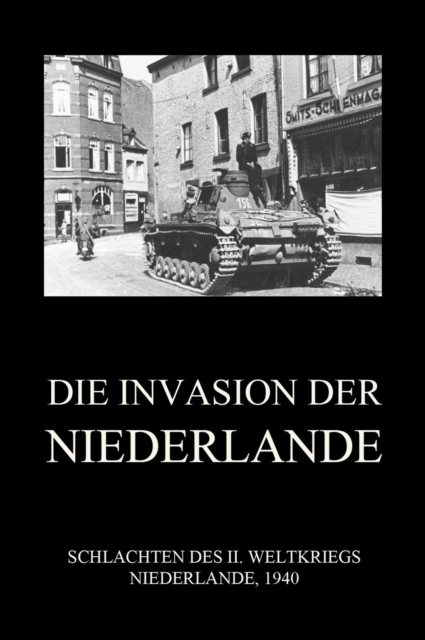
Die Invasion der Niederlande war ein militärischer Feldzug im Rahmen des "Fall Gelb", der deutschen Invasion der Benelux-Länder (Belgien, Luxemburg und die Niederlande) sowie Frankreichs während des Zweiten Weltkriegs.
Die Invasion der Niederlande war ein militärischer Feldzug im Rahmen des "Fall Gelb", der deutschen Invasion der Benelux-Länder (Belgien, Luxemburg und die Niederlande) sowie Frankreichs während des Zweiten Weltkriegs.
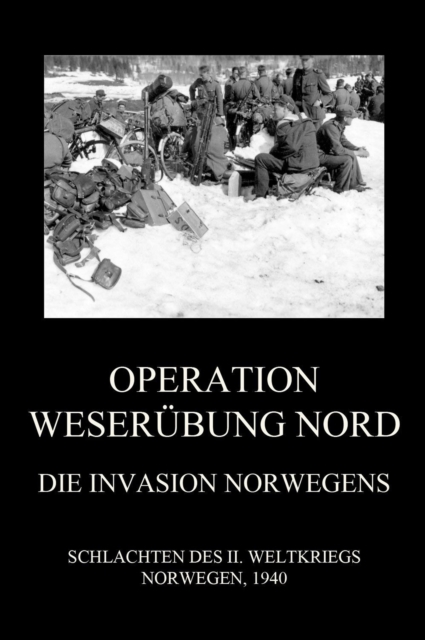
Die Invasion Norwegens durch Nazi-Deutschland, die sogenannte "Weserübung Nord", und der darauf folgende Versuch der Befreiung Norwegens durch die Alliierten fand vom 9.
Die Invasion Norwegens durch Nazi-Deutschland, die sogenannte "Weserübung Nord", und der darauf folgende Versuch der Befreiung Norwegens durch die Alliierten fand vom 9.
Die Invasion Norwegens durch Nazi-Deutschland, die sogenannte "Weserübung Nord", und der darauf folgende Versuch der Befreiung Norwegens durch die Alliierten fand vom 9.
Die Invasion Norwegens durch Nazi-Deutschland, die sogenannte "Weserübung Nord", und der darauf folgende Versuch der Befreiung Norwegens durch die Alliierten fand vom 9.
Die Invasion Norwegens durch Nazi-Deutschland, die sogenannte "Weserübung Nord", und der darauf folgende Versuch der Befreiung Norwegens durch die Alliierten fand vom 9.
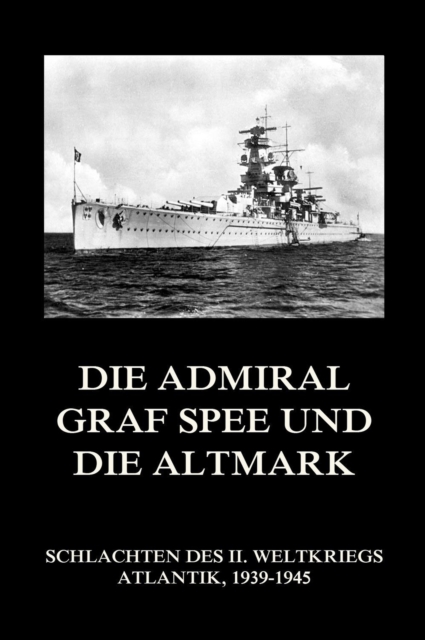
Das Gefecht vor dem Rio de la Plata, bei dem das deutsche Panzerschiff "Admiral Graf Spee", das zwei Wochen vor Kriegsbeginn in den Südatlantik eingedrungen war und nach entsprechender Genehmigung Angriffe auf Handelsschiffe durchgeführt hatte, zerstört wurde, war die erste Seeschlacht im Zweiten Weltkrieg.
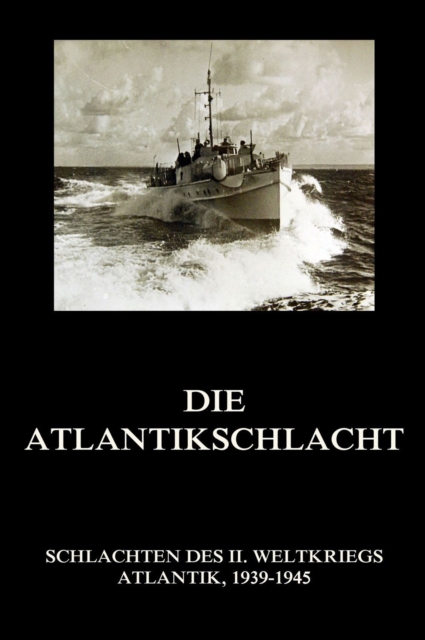
Die Atlantikschlacht war der längste durchgehende militärische Feldzug im Zweiten Weltkrieg, dauerte von 1939 bis zur Niederlage Nazi-Deutschlands 1945 und ist ein wichtiger Teil der Marinegeschichte des Zweiten Weltkriegs.