Die Diagnose vom Aufstieg der ›illiberalen Demokratie‹ war Symptom einer allgemeinen philosophischen und politischen Katerstimmung nach 1989: In den berauschenden Tagen, als der Staatssozialismus implodierte und die Welt geradezu demokratietrunken wirkte, hatte es den Anschein, als würden sich Mehrheitsprinzip, Rechtsstaatlichkeit und der Schutz der Grundrechte stets harmonisch zusammenfügen.
Gegenwärtig erlebt die Europäische Union die Erosion ihrer Fundamente: die gemeinsame Erinnerung an den Zweiten Weltkrieg, der geopolitische Pakt in Abgrenzung zur Sowjetunion sind nicht mehr von entscheidender Bedeutung.
Das vorliegende Buch empfiehlt sich jedem Leser und jeder Leserin für das Vergnügen, Filme noch einmal philosophierend zu betrachten, die wir alle schon einmal gesehen haben.
Ausgehend von einer allgemeinen Motivationstheorie in Form der Wert-Erwartungstheorie wurde die Aggressionstheorie von Hans-Joachim Kornadt verwendet zur Erklärung des Völkermords auf der Ebene der Ausführung und auf individueller Handlungsebene.
Politikverdrossenheit entsteht wenn die Menschen in den Kommunen das Gefühl haben, dass Themen wie Klimaschutz, Armutsbekämpfung und bezahlbarer Wohnraum nicht vorrangig behandelt werden.
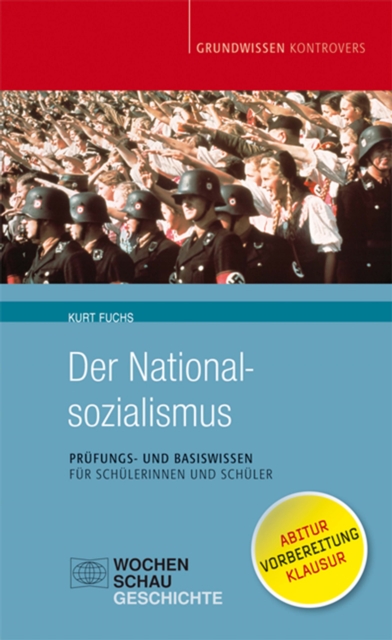
Diese Studie gibt Aufschluss, über welches deklarative Wissen Schüler*innen zu den Themenbereichen Nationalsozialismus, Holocaust und Zweiter Weltkrieg verfügen: Dabei zeigen sich Wissenslücken, deren Ausprägung sich je nach sozialem Status und Geschlecht unterscheidet.
Spätestens seit dem Aufkommen der völkischen PEGIDA und der AfD ist klar, dass politisches System und Gesellschaft der DDR aus dem Kontext des historischen Nationalsozialismus wie des gegenwärtigen Rechtsradikalismus genauso wenig herausgelöst werden können, wie die alte und neue Bundesrepublik.
Ehemalige sogenannte Stammlager wie Mauthausen fungieren mittlerweile nicht nur als Gedenkstätten, sondern dienen vor allem durch ein umfangreiches Rundgangsangebot als wertvolle Bildungsstätten.
Die Weltöffentlichkeit horchte auf, als in den letzten Wochen und Monaten Nachrichten bekannt wurden, dass die Terroristen des so selbst genannten "Islamischen Staates" systematisch antike Kulturstätten in ihrem Einflussbereich zerstören.
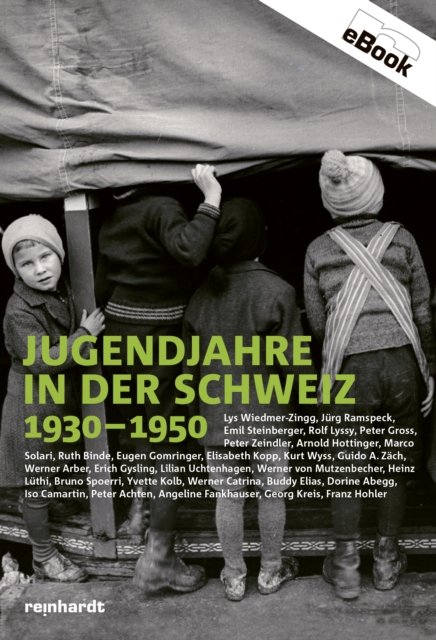
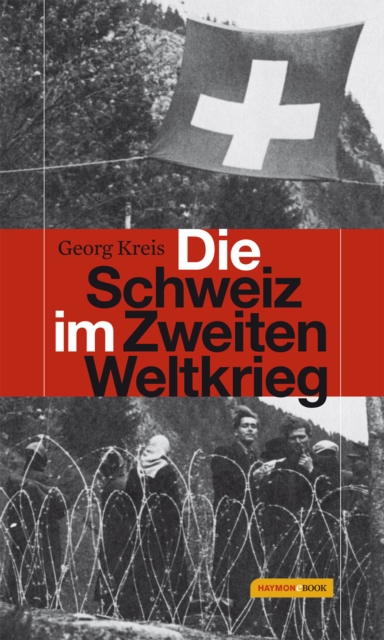
Die Geschichte vor, während und nach dem Zweiten Weltkrieg war auch in der neutralen Schweiz geprägt durch die Wirtschaftskrise, durch Militärdienst und Lebensmittelrationierungen, durch technische Entwicklungen und durch die Aufbruchstimmung nach dem Krieg.
Als sich Saul Dunkelstein als Leiter der Auswanderungsabteilung der Israelitischen Kultusgemeinde in den Dienst der Nazis stellt, wird seine Tätigkeit von vielen Wiener Juden mit Angst und Misstrauen betrachtet.
Wider besseres Wissen konstatiert ein Arzt im Innviertler NS-Lager Weyer lange Zeit harmlose Todesursachen - bis er Ende 1940 mitten im Dritten Reich die Staatsanwaltschaft einschaltet.
"Die Jahre der Verfolgung und Vernichtung unter der Herrschaft von Nationalsozialismus und Faschismus 1938 bis 1945" ist ein Auszug aus dem dreiteiligen Sammelwerk "Jüdisches Leben im historischen Tirol".
Zu Ostern 1942 befreit der 22-jährige Deutsche Heinrich Heinen unter lebensgefährlichen Bedingungen seine jüdische Braut Edith Meyer aus dem Ghetto von Riga.
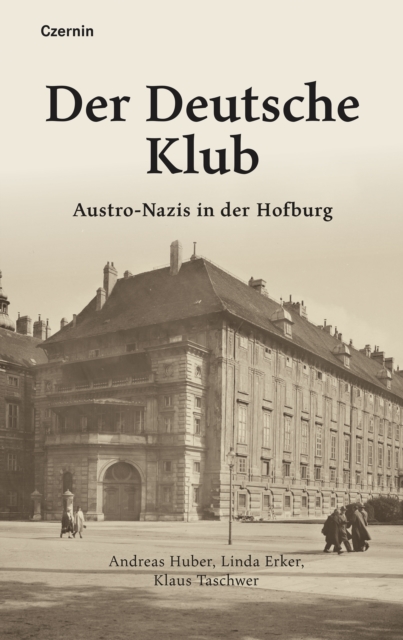
Das mächtige rechte Netzwerk des Deutschen Klubs, der von 1908 bis 1939 in Wien bestand, nahm in der Zwischenkriegszeit auf vielfältige Weise Einfluss auf die politischen Entwicklungen in Österreich.
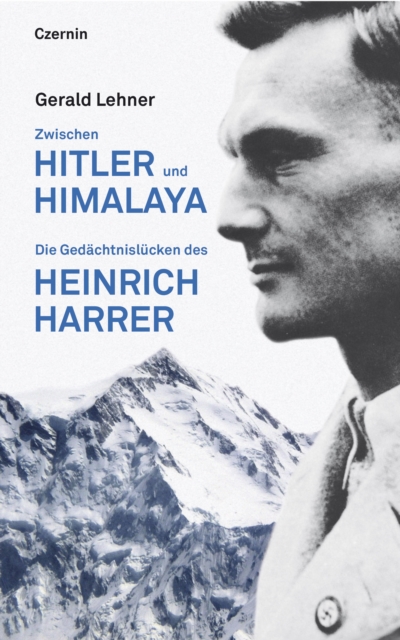
Der Bergsteiger Heinrich Harrer (1912–2006) wird weltweit verherrlicht, sein Beststeller "Sieben Jahre in Tibet" machte ihn zum Helden einer ganzen Generation.