From the author of The Shifts and the Shocks, and one of the most influential writers on economics, a reckoning with how and why the relationship between democracy and capitalism is coming undone We are living in an age when economic failings have shaken faith in global capitalism.
Generation Robot covers a century of science fiction, fact and, speculationfrom the 1950 publication of Isaac Asimov's seminal robot masterpiece, I, Robot, to the 2050 Singularity when artificial and human intelligence are predicted to merge.
Diese Ausgabe des Wiener Jahrbuchs für Theologie der Evangelisch-Theologischen Fakultät der Universität Wien widmet sich dem Thema "Krieg und Frieden".
'The world's leading expert on habits' - Matthew Syed, bestselling author of Black Box Thinking and Rebel IdeasWhat if you could harness the extraordinary power of your unconscious mind to achieve your goals?
Transporting the reader to the heart-wrenching times of World War II, Some Sunny Day is an evocative memoir of love and courage in war-torn Asia by Madge Lambert.
'Taylor has done us a great service in making the personal stories of what it was actually like to live through the most crucial year of the twentieth century vivid, compelling and salutary.
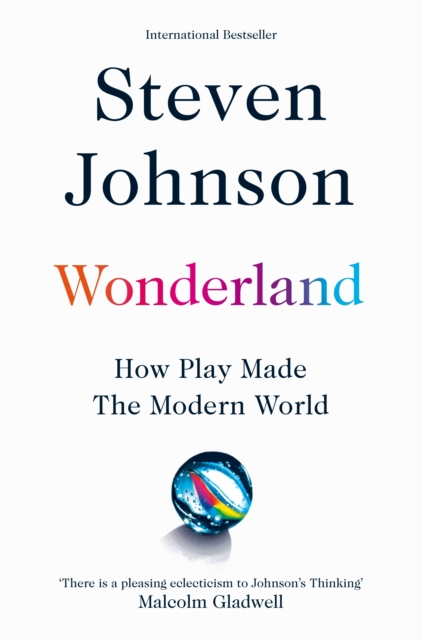
'The book is a house of wonders' The New York Times'Steven Johnson is the Darwin of technology' Walter Issacson, author of Steve JobsWhat connects Paleolithic bone flutes to the invention of computer software?
Shortlisted for the Stanford Travel Book of the Year'This powerful study looks behind the statistics and political slogans to reveal the human face of the refugee crisis.
Once the rarified stuff of scientists and statisticians, data are now at the heart of our global digital economy, transforming everything from how we perceive the value of a professional athlete to the intelligence gathering activities of governments.
The AI revolution can seem powerful and unstoppable, extracting data from every aspect of our lives and subjecting us to unprecedented surveillance and control.
Once the rarified stuff of scientists and statisticians, data are now at the heart of our global digital economy, transforming everything from how we perceive the value of a professional athlete to the intelligence gathering activities of governments.
Right from the origins of cinema, countless films and television dramas have offered sensational and seductive representations of young people's lives.
The contentious role of social media in recent elections and referendums has brought to the fore once again the fundamental question of media freedom and the extent to which, and the way in which, the media should be regulated in a modern democratic society.
As disputes concerning the environment, the economy, and pandemics occupy public debate, we need to learn to navigate matters of public concern when facts are in doubt and expertise is contested.
Bots automated software applications programmed to perform tasks online have become a feature of our everyday lives, from helping us navigate online systems to assisting us with online shopping.
Drawing on the collaborative expertise of three senior scholars, The Journalism Manifesto makes a powerful case for why journalism has become outdated and why it is in need of a long-overdue transformation.
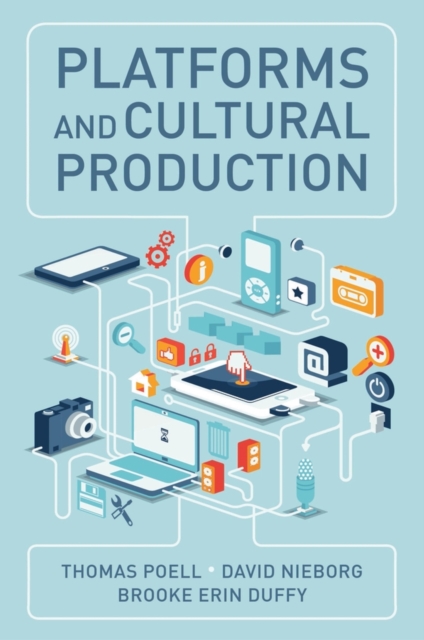
The widespread uptake of digital platforms from YouTube and Instagram to Twitch and TikTok is reconfiguring cultural production in profound, complex, and highly uneven ways.
Since 2006, Henry Jenkins's Confessions of an Aca-Fan blog has hosted interviews in which academics, activists, and artists have shared their views on the changing media landscape.
News media strongly influence how we picture public affairs across the world, playing a significant and sometimes controversial role in determining which topics are at the centre of public attention and action.
Contrary to optimistic visions of a free internet for all, the problem of the digital divide the disparity between those with access to internet technology and those without has persisted for close to twenty-five years.