This reference serves as a reader-friendly guide to every basic tool and skill required in the mathematical library and helps mathematicians find resources in any format in the mathematics literature.
Whether you're a practicing cataloger looking for a short text to update you on the application of RDA to cataloging records or a school librarian who needs a quick resource to answer cataloging questions, this guide is for you.
Drawing on the research of experts from the fields of computing and library science, this ground-breaking work will show you how to combine two very different approaches to classification to create more effective, user-friendly information-retrieval systems.
The biological sciences cover a broad array of literature types, from younger fields like molecular biology with its reliance on recent journal articles, genomic databases, and protocol manuals to classic fields such as taxonomy with its scattered literature found in monographs and journals from the past three centuries.
Covering both classification and cataloging principles as well as procedures relevant to school libraries, this book provides a teaching kit for a course on this critical subject that includes content and practice exercises.
Systems administrators, librarians, and library staff will learn key principles and methods for securing their ILS and understand how to configure and optimize their library catalog by improving data management practices, streamlining existing workflows, and documenting their system's configuration.
This fourth edition provides an updated look at information organization, featuring coverage of the Semantic Web, linked data, and EAC-CPF; new metadata models such as IFLA-LRM and RiC; and new perspectives on RDA and its implementation.
Ideal for students and both beginning and practicing catalogers in public, school, and academic libraries, this updated workbook offers targeted, hands-on exercises that enhance understanding of description, classification, subject analysis, subject heading application, and MARC 21 subject analysis.
This book offers a practical template for training patrons to use eBook, streaming video, online music, and journal collections that is practical, adaptable, and most importantly, sustainable.
Covering tools, terminology, and the FRBR-based RDA approach to description, this book explains the current principles of organization of information and basic cataloging practices for non-catalogers, enabling readers to understand elements of the cataloging process and interact with records in a basic manner.
This book surveys the various methods and problems of organizing nonprint materials and describes the use of microcomputers both for storing nonprint items and keeping track of them.
Hier könnt Ihr in den Schwerpunkt "Bauwerke" im Bereich "Bauen" hereinschnuppern und herausfinden, was an Gebäuden, Straßen, Brücken, Fountonplatten, Errinerungs-Steine sowie vieles weitere, Interessant sein kann, und wie die Erde mit allen Bauwerken darin, jederzeit zum "Besseren" Umgestaltet werden kann.
While most discoverability evaluation studies in the Library and Information Science field discuss the intersection of discovery layers and library systems, this book looks specifically at digital repositories, examining discoverability from the lenses of system structure, user searches, and external discovery avenues.
While most discoverability evaluation studies in the Library and Information Science field discuss the intersection of discovery layers and library systems, this book looks specifically at digital repositories, examining discoverability from the lenses of system structure, user searches, and external discovery avenues.
Due to the distinctive nature of music as a separate "e;language"e; that non-musicians are often unable to read or understand, the cataloging and classification of music materials frequently present special challenges.
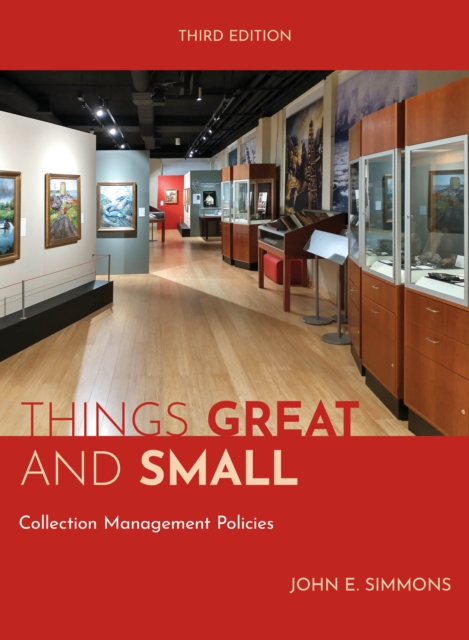
Collection care is a fundamental responsibility for museums and other collecting institutions, and the foundation of collection stewardship is good collection management policies.
This revised text is aimed specifically for library support staff and purposefully aligned with the American Library Association - Library Support Staff Certification (LSSC) competency standards for Cataloging and Classification.
Legal deposit libraries, the national and academic institutions who systematically preserve our written cultural record, have recently been mandated with expanding their collection practices to include digitised and born-digital materials.
Like earlier editions, this thoroughly updated sixth edition of the classic textbook provides readers with a basic understanding of the Library of Congress Classification system and its applications.
This fourth edition provides an updated look at information organization, featuring coverage of the Semantic Web, linked data, and EAC-CPF; new metadata models such as IFLA-LRM and RiC; and new perspectives on RDA and its implementation.
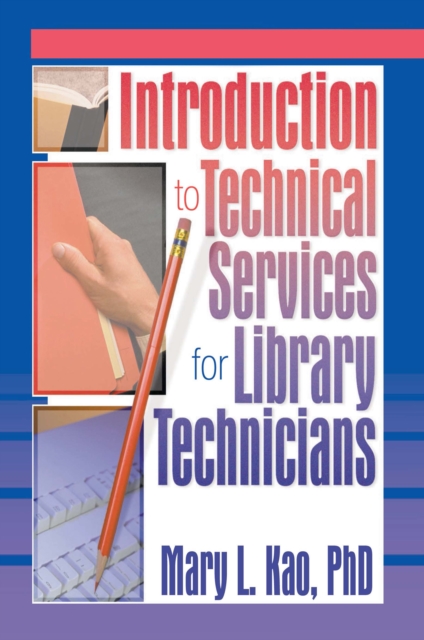
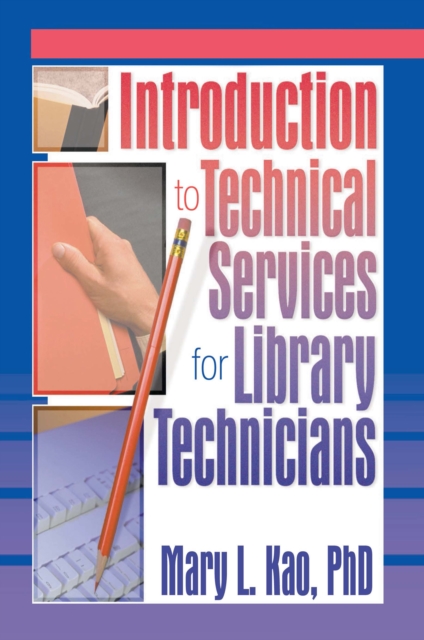
Now thoroughly updated to include recent changes with RDA, this easy-to-use primer provides an introduction to standardized cataloging that will benefit library technicians as well as students in library technician and teacher librarian programs.
Like earlier editions, this thoroughly updated sixth edition of the classic textbook provides readers with a basic understanding of the Library of Congress Classification system and its applications.
A proven resource for librarians and students, this updated classic opens the door to understanding current library cataloging processes, shows you how to use them to create standard catalog records, and provides guidance in managing the cataloging workflow.