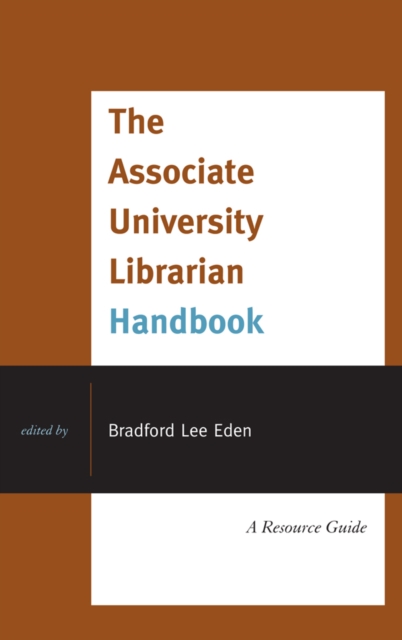
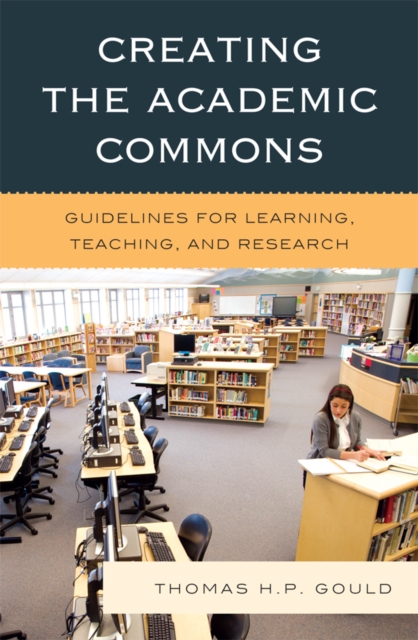
The associate university librarian is tasked with running the various services and workflows of academic research libraries, allowing the head university librarian to focus on the acquisition of resources through fundraising and external public relations.
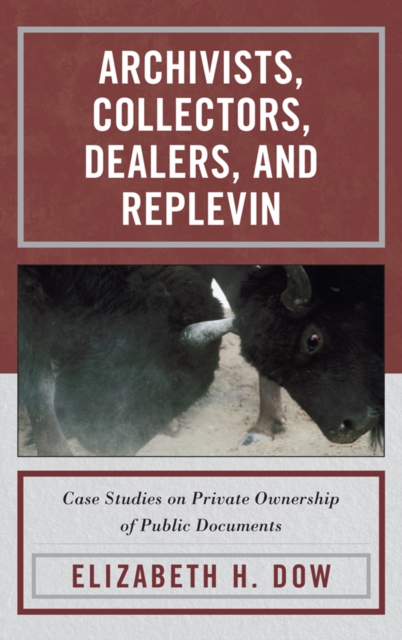
Today, government archivists and manuscript collectors are often in conflict over government-created documents that come up for sale out of private hands.
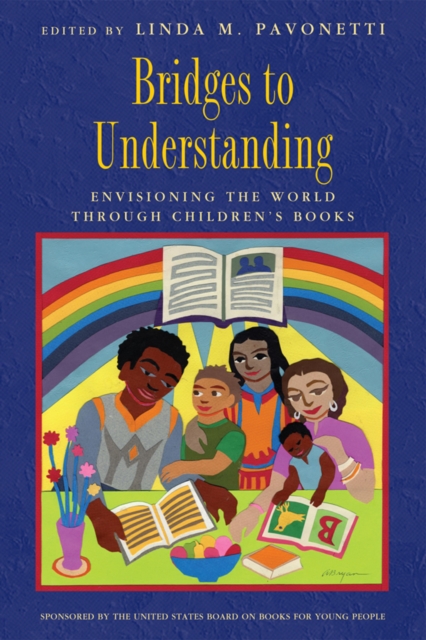
This is the fourth volume sponsored by the United States Board on Books for Young People, following Children's Books from Other Countries (1998), The World Through Children's Books (2002), and Crossing Boundaries (2006).
Although the United States prides itself as a nation of diversity, the country that boasts of its immigrant past also wrestles with much of its immigrant present.
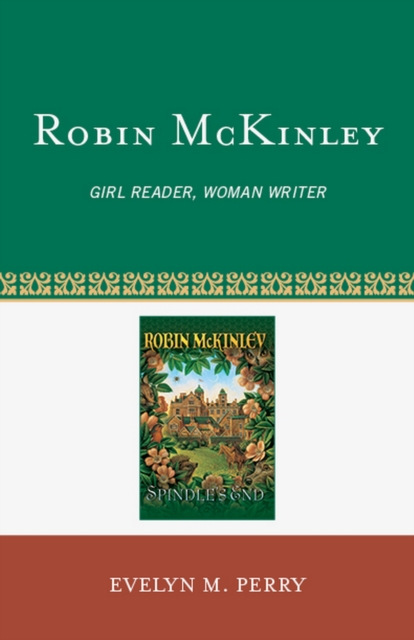
Since her first book, Beauty: A Retelling of the Story of Beauty and the Beast, was published in 1978, Robin McKinley has enchanted young adult readers for more than thirty years.
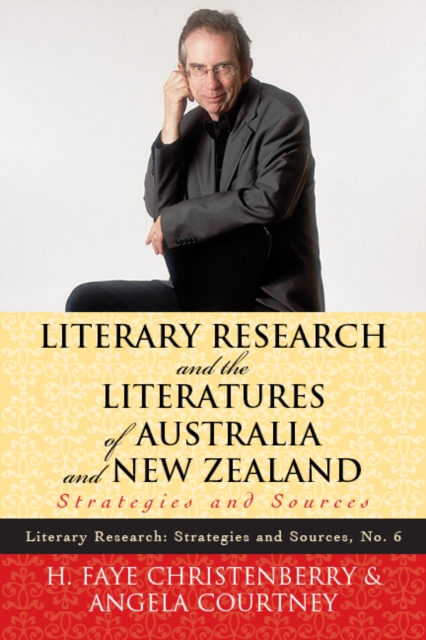
Literary Research and the Literatures of Australia and New Zealand: Strategies and Sources is a research guide to the literatures of the two major countries of Oceania: Australia and New Zealand.
This edition of the History of Libraries in the Western World represents a substantial revision of the earlier edition, taking into account the "e;information revolution"e; that has swept the West since 1945 and the political revolution that swept across Europe beginning in 1986.
The Chinese imperial examination system is unique in traditional Chinese society with origins dating back 1,300 years, and has had a far-reaching impact not only on contemporary Chinese society, but also on government systems of other countries around the world.
Donna Jo Napoli has received acclaim for her young adult works and is especially known for her historical novels and her retellings of myth and fairy tales.
With the advent of the Information Society, access to resources is vital to the ordinary citizen, the academic, and the career professional, as well as in public administration and private enterprise.
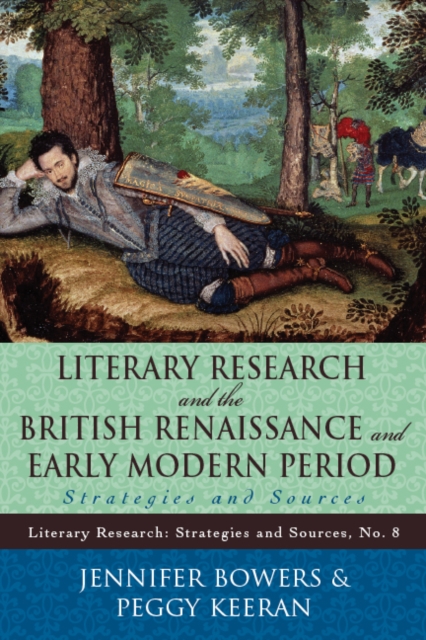
Recognizing that every literary era presents scholars with particular challenges, this volume covers the best practices and describes important reference resources, both print and electronic, that can be used in conducting literary research of the British Renaissance and Early Modern period.
After spending more than a decade as a journalist in South Asia, Suzanne Fisher Staples turned to writing realistic novels about young people coming of age in modern Pakistan, Afghanistan, and India, as well as the United States.
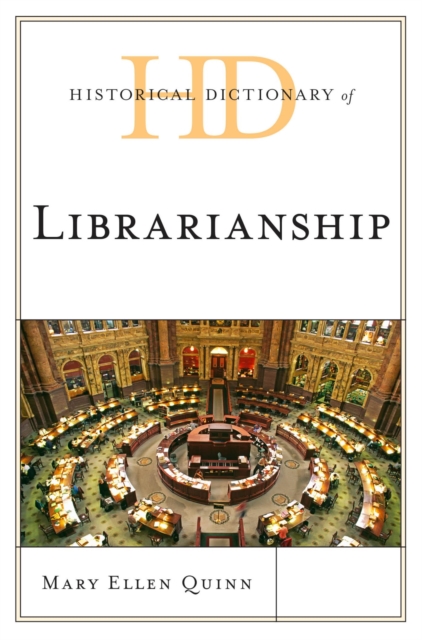
Although the history of librarianship as an organized profession dates only as far back as the mid-nineteenth century, the history of libraries is much older, and people have been engaged in pursuits that we recognize as librarianship for many thousands of years.
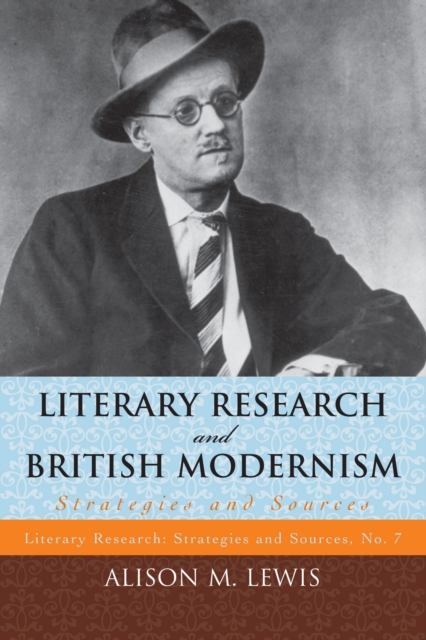
Focusing on work produced between 1880 and 1945, Literary Research and British Modernism: Strategies and Sources provides scholars with the necessary methods and tools for studying the literature of this period.
In Radical Reads, Joni Richards Bodart identified 101 young adult books that featured gritty, complex plots, focused on multidimensional characters, and tackled such difficult subjects as teenage pregnancy, dysfunctional families, gangs, prejudice, violence, drugs, or other provocative issues.
The growing emphasis on globalization in the context of higher education has resulted in changes in academic curricula, increasing numbers of global partnerships, and in more concentrated efforts to recruit international students at North American universities.
Electronic Records in the Manuscript Repository defines the problems related to electronic records and digital documents, describes the steps the curator should take to manage those electronic records and digital documents, and suggests ways to learn the specific skills and perspectives needed to do the job well.
Recognizing that every literary era presents scholars with particular challenges, this volume covers the best practices and describes important reference resources, both print and electronic, that can be used in conducting literary research of the British Renaissance and Early Modern period.
Today, government archivists and manuscript collectors are often in conflict over government-created documents that come up for sale out of private hands.
Python for Information Professionals: How to Design Practical Applications to Capitalize on the Data Explosion is an introduction to the Python programming language for library and information professionals with little or no prior experience.
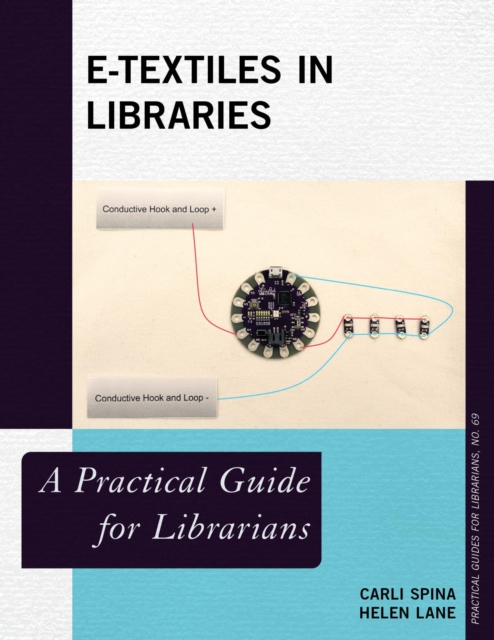
From light-up scarves to solar-powered backpacks to health monitoring fabric, innovative combinations of electronics and textiles are becoming more prevalent and impressive all the time, making appearances everywhere from the runway to medical settings.
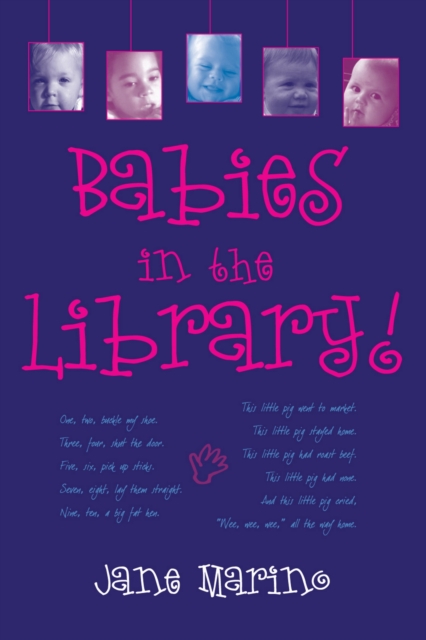
Eclectic library reading programs for young children have blossomed across the nation over the last decade, encouraging in toddlers a fondness for the library and an excitement for the caches of books to be found there.
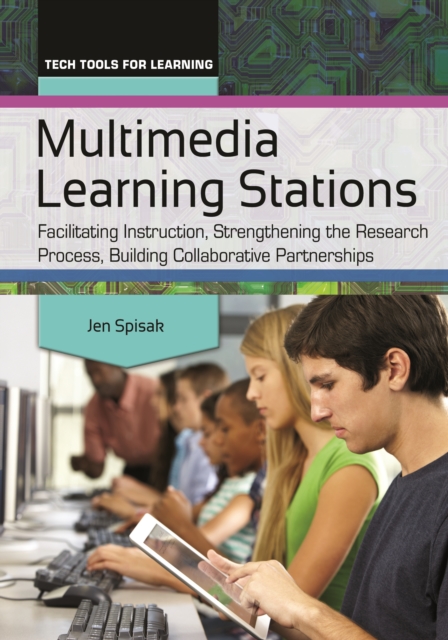
Learn how to use rotating multimedia learning stations, employing databases, websites, education apps, videos, audio podcasts, online games, books, and more to build a strong, collaborative library program that helps you strengthen student understanding of the research process.
Written specifically for academic librarians and library administrators, this book identifies the myriad benefits of peer-assisted learning, exploring how the implementation of peer-assisted learning benefits information literacy instruction, cocurricular outreach, and reference services.
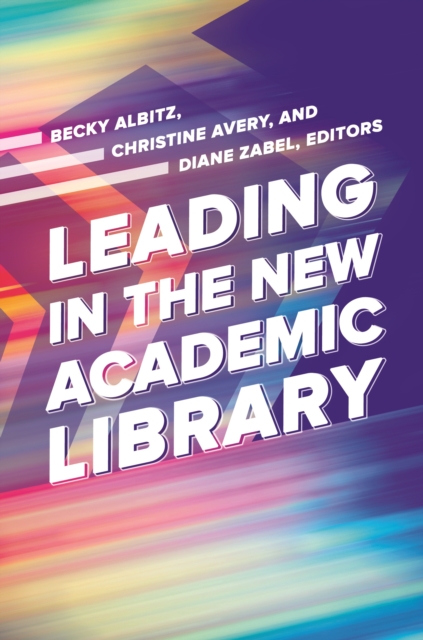
Providing perspectives of early- and mid-career librarians as well as highly seasoned professionals, this book offers leadership advice that will help academic librarians of all experience levels to surmount the issues they face and overcome new challenges.
Providing perspectives of early- and mid-career librarians as well as highly seasoned professionals, this book offers leadership advice that will help academic librarians of all experience levels to surmount the issues they face and overcome new challenges.
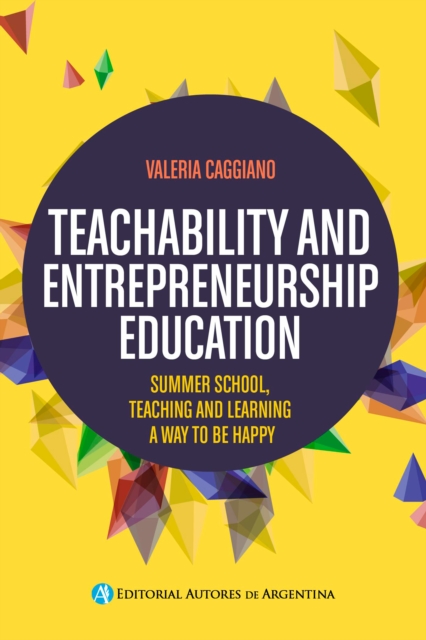
The Entrepreneurial Education is a discipline not defined in the disciplinary sectors nor contemplated in the curriculum of education courses formally recognized, this turns out to be useful to understand the new work dynamics.
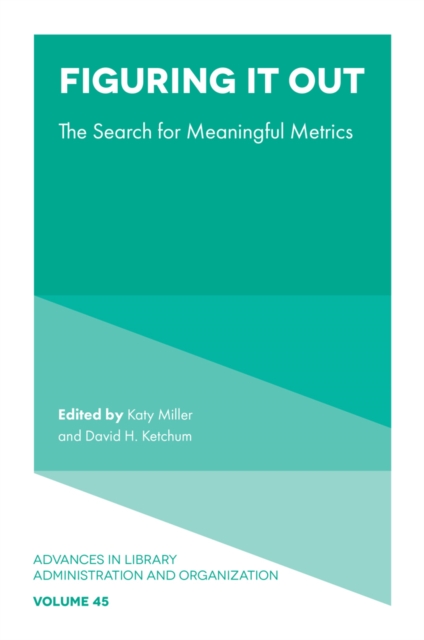
Telling the story of a library through assessment has always been an essential aspect of library administration and management, but doing this work effectively can be challenging.
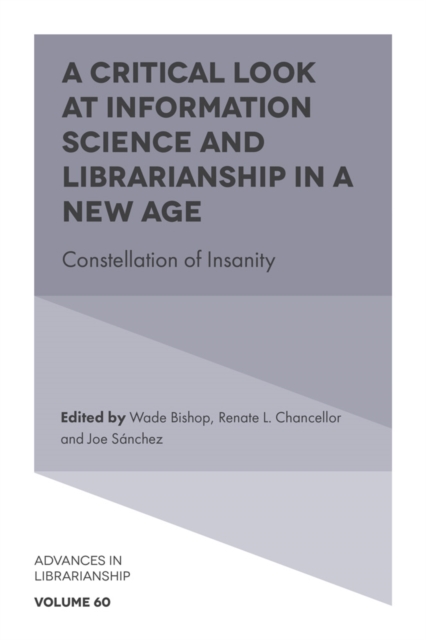
A Critical Look at Information Science and Librarianship in a New Age: Constellation of Insanity fosters a platform for information scientists to engage in reflection and contemplation regarding the profound questions of our era.
En la busqueda por fomentar la educacion literaria de las nuevas generaciones dentro del ambito escolar, la autora presenta en este libro un marco de actuacion educativa que se alimenta tanto de los avances teoricos como de la experiencia practica.
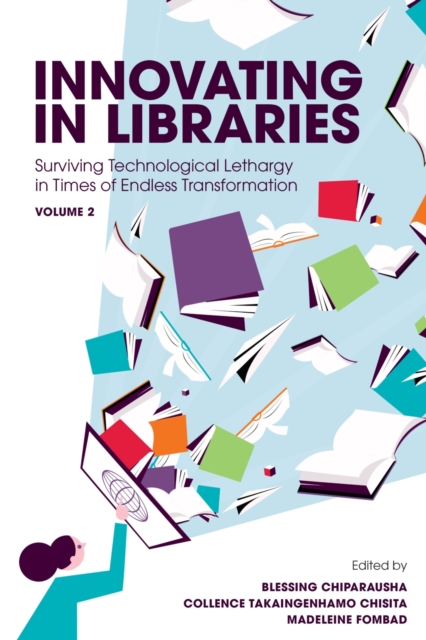
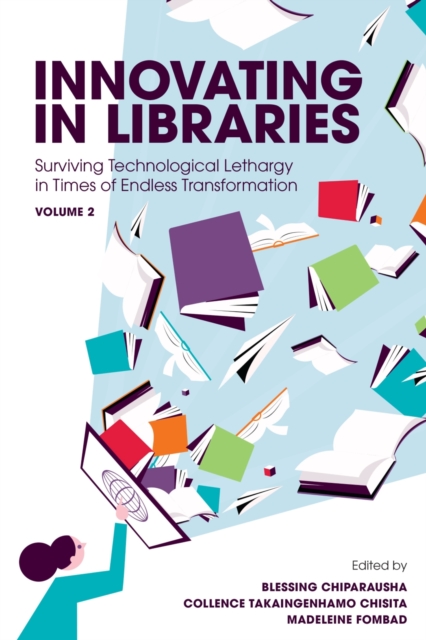
The world is evolving at an unprecedented pace, driven by the transformative forces of the Integrated Industrial revolution (4th-5th Industrial Revolutions)-a new era where data, connectivity, and human-machine interaction define progress.
Poetry as Knowledge in Librarianship draws on poetry to illustrate its role in library and information science professionals' intertwined personal and professional streams of life journeys.
Telling the story of a library through assessment has always been an essential aspect of library administration and management, but doing this work effectively can be challenging.
A Critical Look at Information Science and Librarianship in a New Age: Constellation of Insanity fosters a platform for information scientists to engage in reflection and contemplation regarding the profound questions of our era.
The world is evolving at an unprecedented pace, driven by the transformative forces of the Integrated Industrial revolution (4th-5th Industrial Revolutions)-a new era where data, connectivity, and human-machine interaction define progress.
The world is evolving at an unprecedented pace, driven by the transformative forces of the Integrated Industrial revolution (4th-5th Industrial Revolutions)-a new era where data, connectivity, and human-machine interaction define progress.
The world is evolving at an unprecedented pace, driven by the transformative forces of the Integrated Industrial revolution (4th-5th Industrial Revolutions)-a new era where data, connectivity, and human-machine interaction define progress.