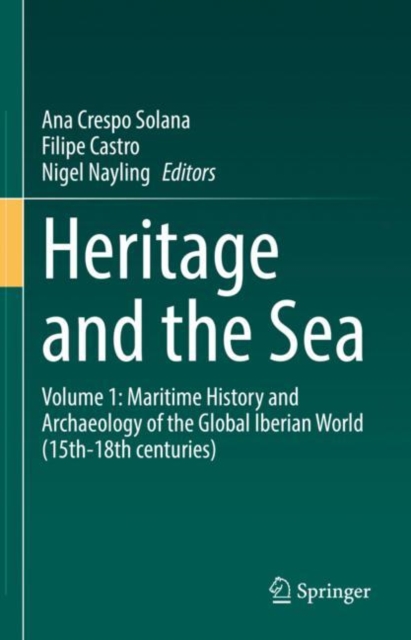
This two-volume set highlights the importance of Iberian shipbuilding in the centuries of the so-called first globalization (15th to 18th), in confluence with an unprecedented extension of ocean navigation and seafaring and a greater demand for natural resources (especially timber), mostly oak (Quercus spp.
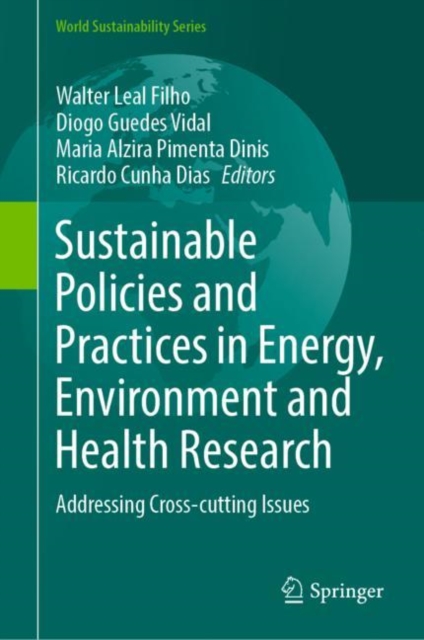
This book aims to give a contribution to a more comprehensive and interdisciplinary understanding of the cross-cutting issues on energy, environment and health research topics in the current world scenario, where nations all over the world are struggling to accomplish the United Nations Sustainable Development Goals and to ensure sustainable patterns for all.
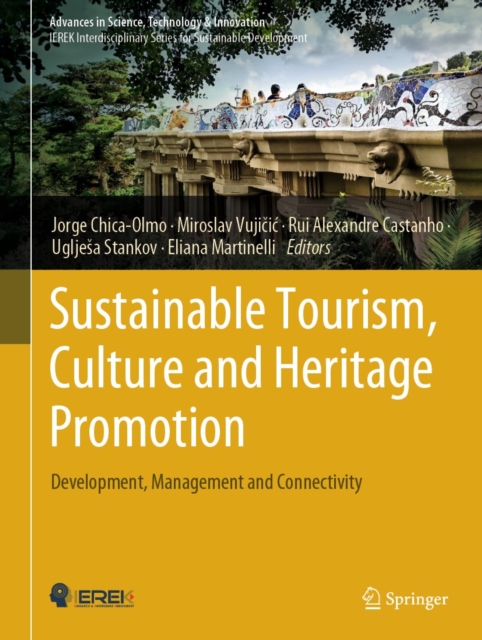
This proceedings book explores future prospects of cultural, heritage, and religious tourism and how it can impact the socioeconomic complexity of a community and future developments.
This proceedings book explores future prospects of cultural, heritage, and religious tourism and how it can impact the socioeconomic complexity of a community and future developments.
This book explores a wide range of emerging cultural, heritage, and other tourism issues that will shape the future of hospitality and tourism research and practice in the digital and innovation era.
Geology, one of the basic natural sciences, is proving to be of outstanding importance in solving problems relating to:- agriculture- exploitation of the Earth's mineral resources- environmental issues- soil preservation- water- energy and other resources- protection against natural disasters (landslides, floods, volcanic eruptions and earthquakes) as well as human health.
This edited volume reflects on the profound effort undertaken by artists to contest settler denial and amnesia to disclose Australia's foundations in racialised violence and land theft.
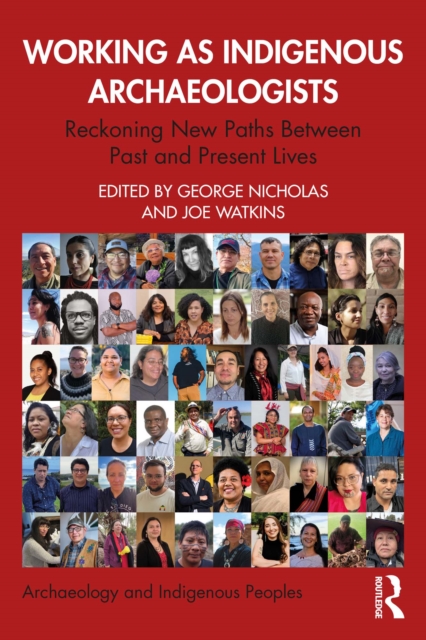
Working as Indigenous Archaeologists explores the often-contentious relationship between Indigenous and other formerly colonized peoples and Archaeology through their own voices.
This book delves into the invaluable contributions made by the Italian UNESCO Chairs toward addressing the intricate and pressing global challenges of our era.
Punching Up in Stand-Up Comedy explores the new forms, voices and venues of stand-up comedy in different parts of the world and its potential role as a counterhegemonic tool for satire, commentary and expression of identity especially for the disempowered or marginalised.
Mobile Heritage explores how diverse digital technologies (such as apps, GPS, games, social platforms, NFTs, drones, AR, MR, and AI, among others) have allowed for new types of mobilities and introduced a novel set of practices, interventions, and politics for heritage collections, archives, exhibitions, entertainment, conservation, management, commerce, education, restitution, activism, and regulation.
Collection care is a fundamental responsibility for museums and other collecting institutions, and the foundation of collection stewardship is good collection management policies.
This comprehensive volume highlights and centers untold histories of education at the Museum of Modern Art (MoMA) from 1937 to 2020, using the critical voices of artists, scholars, designers, and educators.
This book discusses the development of the rural tourism industry in the Himalayan region, specifically in the region of Himachal Pradesh (HP), from the perspective of different stakeholders in the tourism industry.
The book reviews and reports the recent progress and knowledge on the specific impact of current and projected urban overheating as well as of the urban mitigation technologies on mortality and morbidity and urban vulnerability.
This book discusses in detail a series of examples drawn from scholarly projects that use the OCHRE database platform (Online Cultural and Historical Research Environment).
This book contains a set of papers which explore the subject matter of human and planetary health at various anglesThe year 2015 was a special year in the field of human and planetary health.
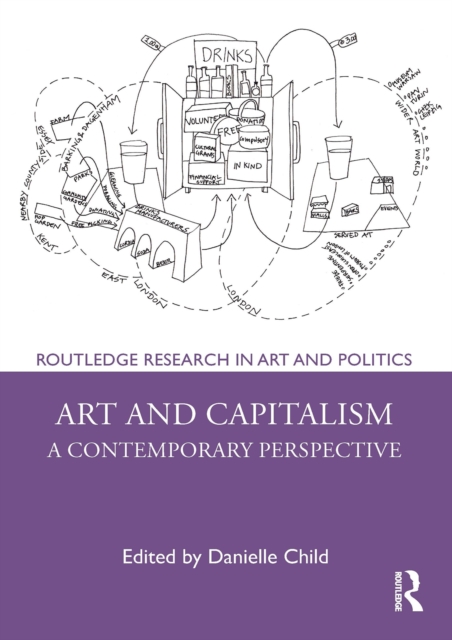
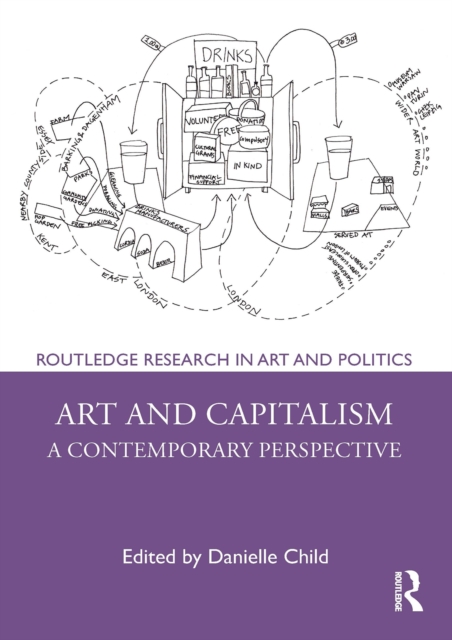
A central tenet of capitalism is the production of commodities to create profit (money); as such, the logical starting place for this collection is the relationship of art to these foundational elements of capitalism.
A central tenet of capitalism is the production of commodities to create profit (money); as such, the logical starting place for this collection is the relationship of art to these foundational elements of capitalism.
This book reconceptualizes Kenneth Burke's comic frame as a critical method for analyzing how publics can be invited into difficult, unresolved conversations about collective history, identity, and justice.
Based on long-term ethnographic engagement with Alutiiq/Sugpiaq communities in Southwest Alaska, this book explores the interrelationship of cultural heritage, (de)colonialism, environmentalism, political agency, and the representation of Indigenous identity in museums.
Based on long-term ethnographic engagement with Alutiiq/Sugpiaq communities in Southwest Alaska, this book explores the interrelationship of cultural heritage, (de)colonialism, environmentalism, political agency, and the representation of Indigenous identity in museums.