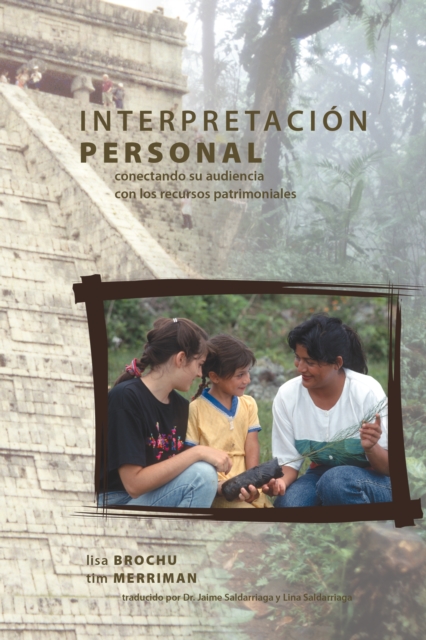
La interpretacion de nuestro patrimonio es una obra de lectura obligada para todasaquellas personas que se dedican profesionalmente a esta maravillosa, aunque poco conocida y menos difundida, disciplina.
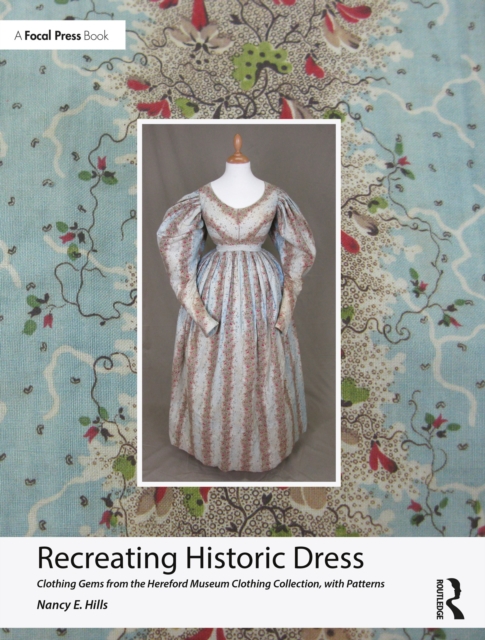
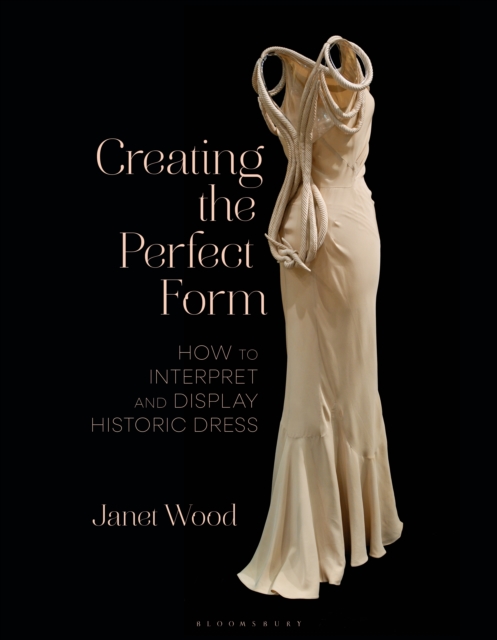
Recreating Historic Dress: Clothing Gems from the Hereford Museum Clothing Collection, with Patterns compiles patterns and information for 25 never-before-published garments from the historic clothing collection at the Hereford Museum and Art Gallery Resource Centre, Hereford, UK.
The panorama is primarily a visual medium, but a variety of print matter mediated its viewing; adverts, reviews, handbills and a descriptive programme accompanied by an annotated key to the canvas.
With more than 1,000 references from top academic journals, this book offers critical knowledge concerning nutrient ingestion for enhancing exercise and sports performance.
The panorama is primarily a visual medium, but a variety of print matter mediated its viewing; adverts, reviews, handbills and a descriptive programme accompanied by an annotated key to the canvas.
The panorama is primarily a visual medium, but a variety of print matter mediated its viewing; adverts, reviews, handbills and a descriptive programme accompanied by an annotated key to the canvas.
Purposeful Museum Programming Using Visitor Response Pedagogies offers museums of all sizes and genres practical, accessible, and inclusive programming ideas.
The Routledge Handbook of Museum and Heritage Education is a practical reference guide that shows how museums, galleries and heritage sites can offer opportunities for successful visitor engagement.
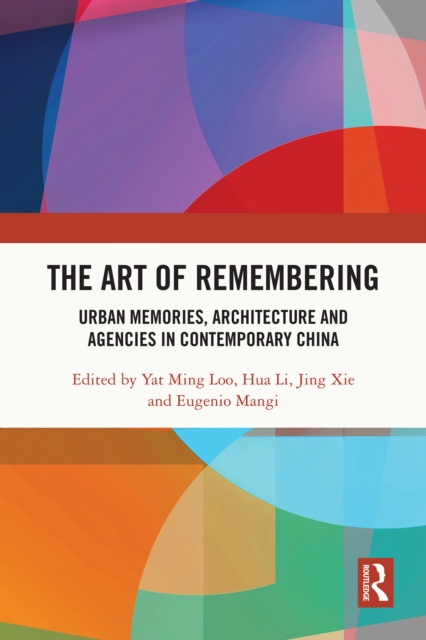
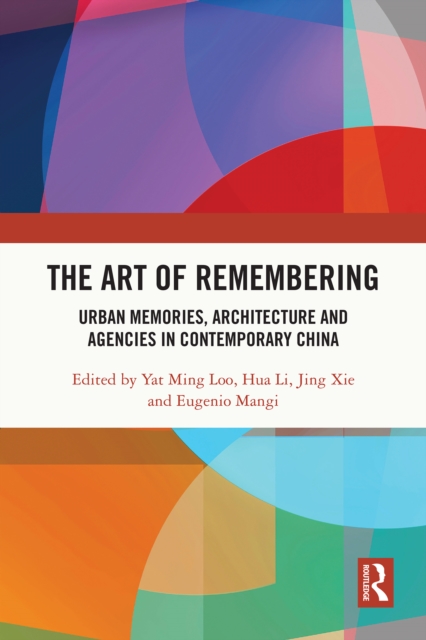
Focusing on the non-Western context and case studies, this book explores theories of interdisciplinary architectural thinking and the construction of urban memory in Chinese cities, with an emphasis on contemporary architecture and the diversity of agencies.
Purposeful Museum Programming Using Visitor Response Pedagogies offers museums of all sizes and genres practical, accessible, and inclusive programming ideas.
This comprehensive volume highlights and centers untold histories of education at the Museum of Modern Art (MoMA) from 1937 to 2020, using the critical voices of artists, scholars, designers, and educators.
This edited book represents one of the first scholarly research through an international collaboration project between Japan and Italy to address economic and social values of cultural heritage beyond its inherent-historic, archaeological, or aesthetic-values.
Formulations, Regulations, and Challenges of Nutraceuticals focuses on various novel micro- and nanocarriers being employed in the formulation and delivery of nutraceutical ingredients to increase their efficacy, bioavailability, safety, and stability.
This edited book represents one of the first scholarly research through an international collaboration project between Japan and Italy to address economic and social values of cultural heritage beyond its inherent-historic, archaeological, or aesthetic-values.
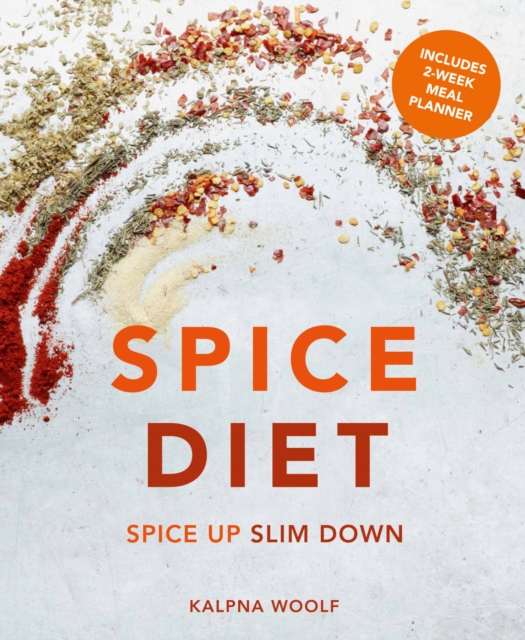
Spice Diet combines delicious recipes and healthy eating, using the tastes, healing powers and weight loss health properties of spices from around the world.
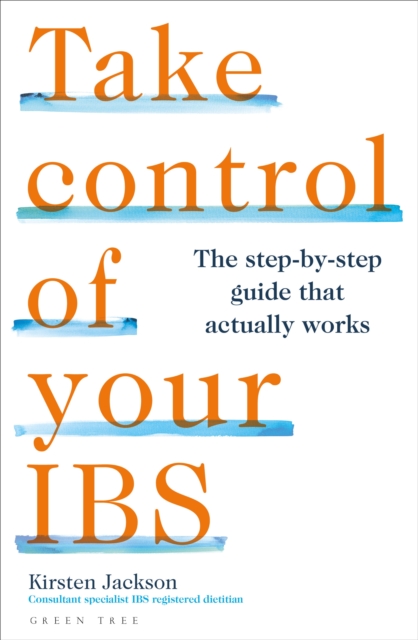
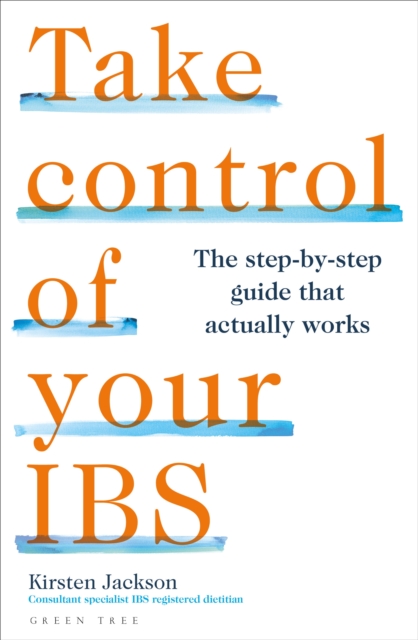
AWARDED SILVER FOR HEALTH AND WELLNESS BOOK AT THE LIVING NOW AWARDS 2024BRONZE AWARD WINNER, WELLBEING BOOK, HEALTH & WELLBEING BOOK AWARDS 2024The only book you need to understand and manage your IBS, written by consultant specialist IBS registered dietitian, Kirsten Jackson.
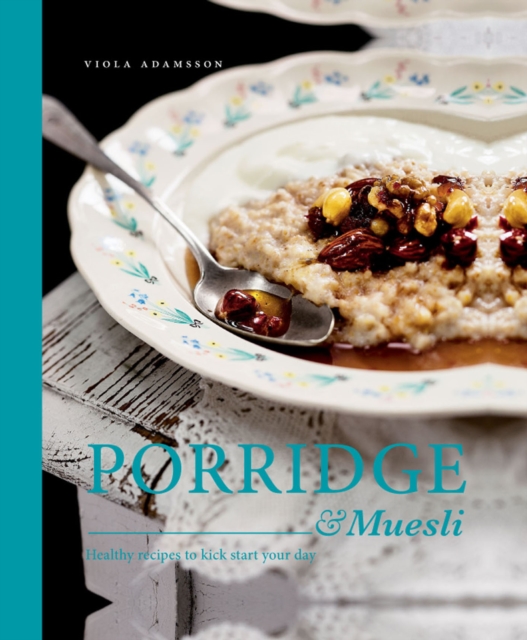
Porridge is the breakfast of choice for celebrities, chefs, athletes and slimmers, but it's also one of the most comforting foods out there - the ultimate winter breakfast.
AWARDED SILVER FOR HEALTH AND WELLNESS BOOK AT THE LIVING NOW AWARDS 2024BRONZE AWARD WINNER, WELLBEING BOOK, HEALTH & WELLBEING BOOK AWARDS 2024The only book you need to understand and manage your IBS, written by consultant specialist IBS registered dietitian, Kirsten Jackson.
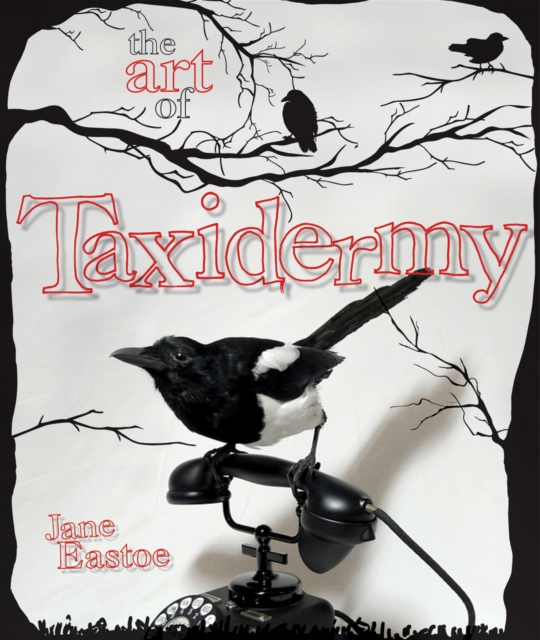
The Art of Taxidermy is a contemporary look at an historical and controversial subject - a sumptuous photographic led exploration of the genre's history, uses and modern applications.
Francis Scott Fitzgerald's book, 'How to Live on $36,000 a Year & How to Live on Practically Nothing a Year,' offers a fascinating insight into the financial struggles and social dynamics of the early 20th century.
Focusing on the non-Western context and case studies, this book explores theories of interdisciplinary architectural thinking and the construction of urban memory in Chinese cities, with an emphasis on contemporary architecture and the diversity of agencies.
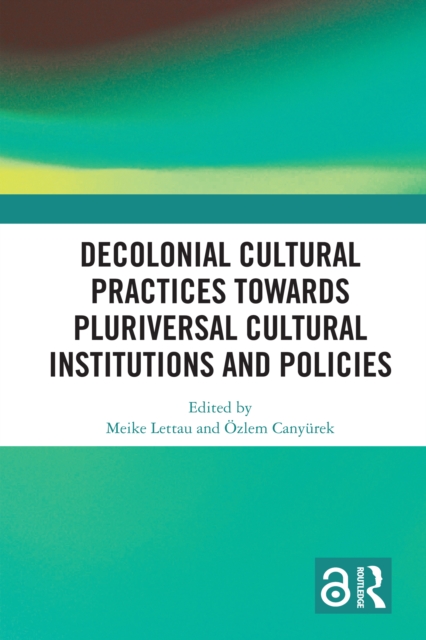
The book critically examines the epistemological disparities between colonialism and capitalism-critical cultural practices and Western art institutions.
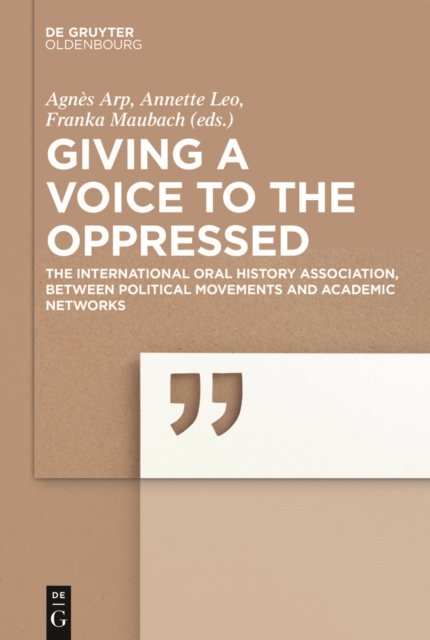
Due to its internationality and interdisciplinarity, the International Oral History Association (IOHA), which was founded in the late 1970's, is one-of-a-kind in the academic landscape.
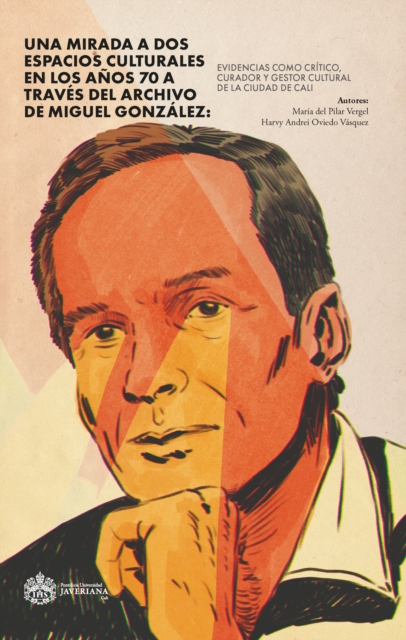
"El archivo de Miguel González: Evidencias como crítico, curador y gestor cultural de la ciudad de Cali" es una investigación que presenta un minucioso levantamiento de archivo de su trabajo en dos espacios culturales de la ciudad de Cali.
This book chronicles a University of Alabama historian's efforts to engage public history over the course of a decade, highlighting personal and educational experiences inside and outside of the classroom.
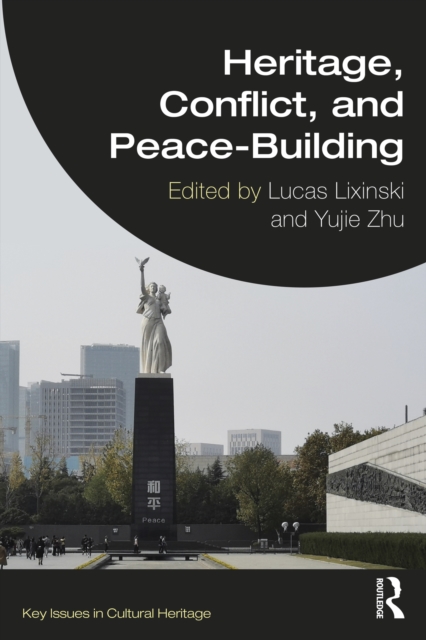
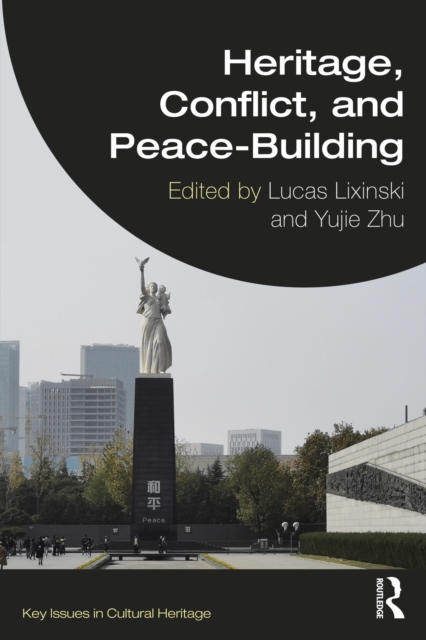
Heritage, Conflict, and Peace-Building examines the possibilities arising from, and challenges associated with, transforming heritage from a casualty of conflict into an opportunity for peacebuilding.
Heritage, Conflict, and Peace-Building examines the possibilities arising from, and challenges associated with, transforming heritage from a casualty of conflict into an opportunity for peacebuilding.
This book chronicles a University of Alabama historian's efforts to engage public history over the course of a decade, highlighting personal and educational experiences inside and outside of the classroom.
This book provides the results of an extensive scientific measurements campaign using advanced technologies and innovative non-invasive approaches carried out for the first time in such large numbers inside one of the most important baroque residences in Italy, the Chigi Palace in Ariccia, near Rome (Italy), with the aims of monitoring, characterizing and documenting several kinds of heritage items with different conservative and artistic issues.
This book provides the results of an extensive scientific measurements campaign using advanced technologies and innovative non-invasive approaches carried out for the first time in such large numbers inside one of the most important baroque residences in Italy, the Chigi Palace in Ariccia, near Rome (Italy), with the aims of monitoring, characterizing and documenting several kinds of heritage items with different conservative and artistic issues.